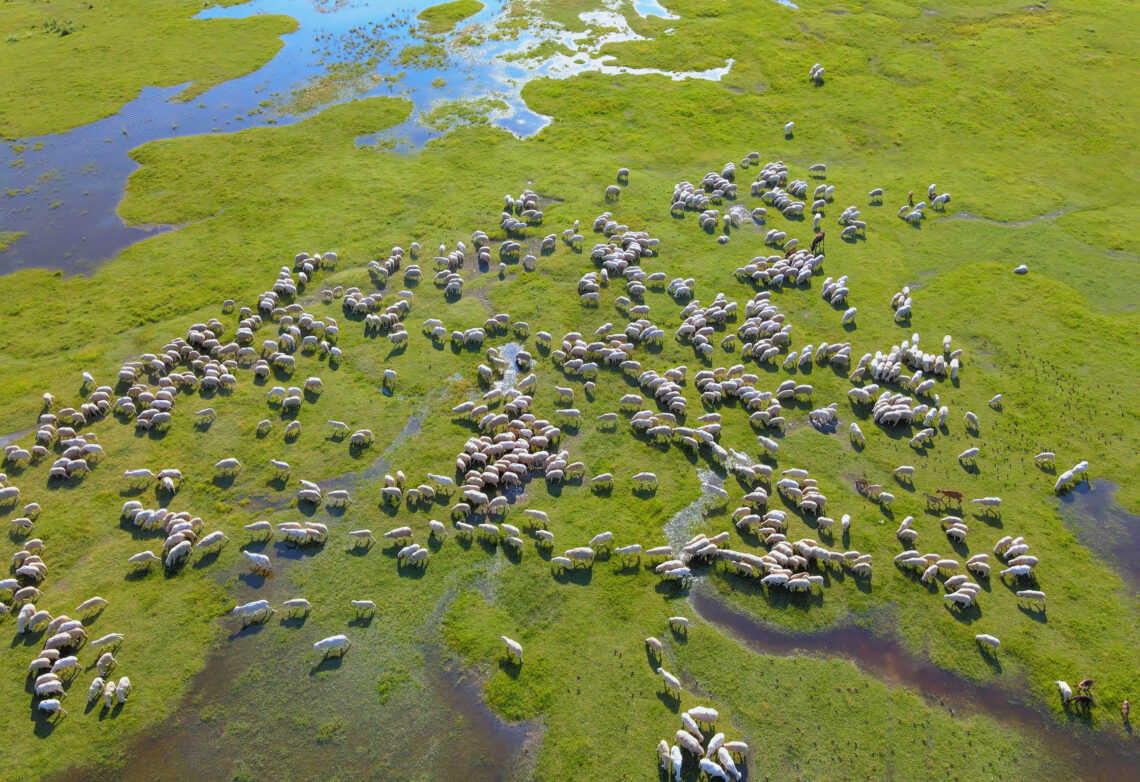
Late Summer Grazing: Managing Pastures for Maximum Recovery
As the dog days of summer wind down and the promise of cooler weather looms on the horizon, ranchers face one of the most important pasture management decisions of the year: how to finish the grazing season strong without overworking the land.
Late summer grazing is a balancing act. You want to maintain herd performance and meet forage demands, but also ensure that your pastures have enough vigor to rebound before the fall growing window closes. Done right, this time of year can actually set up your pastures for long-term productivity—but it requires sharp observation, timely action, and a recovery-minded approach.
Here’s a comprehensive guide to late-summer grazing practices that help you get the most from your grass while setting your fields up for a healthy comeback.
Understanding the Stress of Late Summer
By late August, most cool-season grasses have slowed their growth dramatically, while warm-season species are nearing their peak maturity or starting to decline. Add in high temperatures, intermittent rainfall, and the cumulative grazing pressure from the season—and your forage stands may be under significant stress.
This is the time when poor grazing management can do lasting damage. Overgrazing now doesn’t just stunt short-term productivity—it can reduce root mass, delay fall regrowth, and open the door for opportunistic weeds in the coming year.
1. Evaluate Residual Forage and Soil Moisture
Start by walking your pastures. Take note of:
- Forage height and ground cover
- Presence of bare soil or compaction
- Signs of regrowth (or lack thereof)
- Moisture conditions
Keep in mind that residual height matters more now than ever. Leaving adequate leaf area gives plants the energy to photosynthesize and recover before fall dormancy.
Rule of thumb:
Don’t graze below 3–4 inches for most cool-season grasses like fescue, orchardgrass, or ryegrass. For warm-season species like bermudagrass or native bluestems, target 4–6 inches minimum stubble.
2. Tighten Your Grazing Rotation
Rotational or managed grazing becomes essential in late summer. Shorter grazing periods and longer rest periods help you prevent overgrazing and allow plants time to rebuild root reserves.
Action tips:
- Consider increasing the number of paddocks temporarily, even with polywire.
- Move animals more frequently (every 1–3 days).
- Use a “take half, leave half” approach—remove only the top growth to preserve photosynthetic potential.
3. Prioritize High-Value or Weak Paddocks for Rest
Now is the time to rest fields that have shown signs of overuse, slow regrowth, or drought stress. Give them a grazing break for 30–45 days, if possible, especially if you’re expecting some late summer or early fall rains.
For severely stressed pastures, rest until after fall frost to allow full root system recovery and prevent further decline.
4. Supplement Strategically to Reduce Grazing Pressure
If forage is running short, it may be time to supplement your herd rather than force animals to graze lower than ideal. This protects both the land and the animal’s nutritional needs.
Options include:
- Feeding hay on sacrifice areas or dry lots to preserve pasture.
- Using high-quality baleage from earlier in the season.
- Rotational creep grazing—letting calves access higher-quality areas to relieve cow pressure.
5. Watch for Weeds and Unwanted Browsing
As desirable forages become scarcer, livestock may turn to less palatable or invasive species. Monitor for:
- Toxic weeds like pokeweed, perilla mint, or nightshade
- Increased browsing on brush or woody species
- Rising presence of weeds in recovering paddocks
If needed, mow lightly or spot spray after moving animals off a paddock to keep invasive species from going to seed.
6. Plan for Fall Fertility and Overseeding
Pastures managed with recovery in mind during late summer are primed for fall renovation and fertility.
Consider:
- Soil testing now to guide early-fall fertilizer applications.
- Overseeding thin areas with clover or cool-season grasses before the first fall rains.
- Applying lime if pH is low—fall is a great time to do it with less stress on the forage.
Final Thoughts: Play the Long Game
Late-summer grazing is less about squeezing the last ounce of productivity from your fields and more about stewardship. By grazing with recovery in mind—protecting residuals, rotating more frequently, and planning ahead—you’re building healthier pastures, more resilient forage stands, and stronger herd performance for seasons to come.
Because in ranching, short-term sacrifice often leads to long-term gain. And when fall arrives, your pastures—and your bottom line—will thank you.

