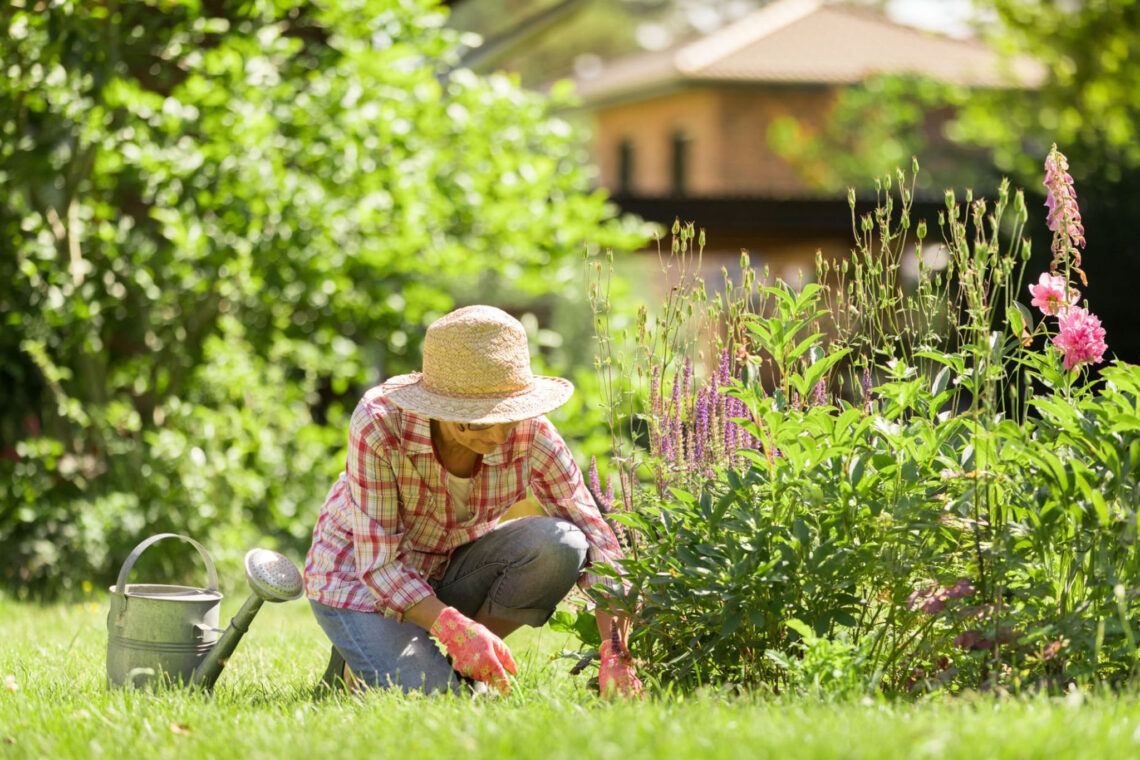
Smart Mulching Moves: Locking in Moisture Before Autumn Arrives
By the time late summer rolls around, most gardens and landscapes are running on the edge of drought stress. The long days of heat, combined with less frequent rain, can quickly pull moisture from the soil, leaving plants vulnerable. This is where mulch becomes more than just a finishing touch—it’s a vital tool for conserving water, regulating soil temperatures, and setting your garden up for success as the seasons change. Making smart mulching moves now ensures your plants enter autumn healthy, hydrated, and ready for the cooler months ahead.
Why Mulching Matters in Late Summer
Many gardeners think of mulching as a springtime task, but late summer is actually one of the most strategic times to freshen or reapply it. Here’s why:
- Moisture Retention: A good mulch layer acts like a blanket, slowing evaporation from the soil and keeping roots consistently hydrated.
- Temperature Buffering: As days stay hot but nights begin to cool, mulch stabilizes soil temperatures, reducing stress on perennials, shrubs, and vegetable crops.
- Weed Suppression: Fewer weeds competing for water means your plants get more of the moisture they need.
- Soil Health: Organic mulches break down over time, adding nutrients that fuel fall growth and build long-term fertility.
Choosing the Right Mulch for the Season
Not all mulches are created equal, and the late-summer window calls for specific considerations.
- Organic Mulches (best for gardens and beds)
- Shredded bark or hardwood chips: Long-lasting and excellent for perennial beds.
- Straw or hay: Great for vegetable gardens, especially for protecting soil and reducing splash during late-summer rains.
- Compost or leaf mold: A nutrient-rich option that feeds soil microbes while locking in moisture.
- Inorganic Mulches (best for durability)
- Gravel or stone: Ideal for pathways or around heat-loving plants like lavender that prefer drier conditions.
- Landscape fabric with a thin cover: Useful in areas prone to heavy weed pressure but less beneficial for soil enrichment.
The key is to match the mulch to the needs of the space—vegetable beds benefit from lighter, nutrient-releasing mulches, while ornamental beds thrive with denser, longer-lasting materials.
Timing Your Mulch Application
Late summer mulching is all about getting ahead of fall. Apply mulch when:
- The soil is still warm but not excessively dry—ideally after a deep watering or rain.
- Harvest is wrapping up for early-season crops, freeing up space in the garden.
- Weeds are cleared, giving you a clean slate.
Avoid mulching during a drought without watering first—dry soil under a thick mulch layer can lock out water instead of conserving it.
How Much Mulch is Enough?
The “two to four inch” rule still applies in late summer. Spread mulch evenly, but avoid piling it against stems, trunks, or crowns. Over-mulching can create soggy conditions that encourage rot, especially as fall rains increase.
For vegetable beds, a lighter 2-inch layer is usually sufficient. For ornamental beds and trees, 3–4 inches provides a stronger buffer for the season ahead.
Strategic Mulching for Different Garden Areas
- Vegetable Gardens: After pulling summer crops like beans or cucumbers, mulch bare soil to prevent weeds and conserve moisture for fall plantings such as kale or broccoli.
- Perennials and Shrubs: Refresh mulch around the base, leaving a small gap near stems to prevent rot.
- Fruit Trees: Extend mulch out to the drip line to protect feeder roots, but keep it away from the trunk.
- Lawns and Borders: Use grass clippings or shredded leaves as a quick, free mulch to keep edges neat and moist.
Bonus Benefits of Late-Summer Mulching
- Reduces Soil Compaction: Fall rains can pack down bare soil; mulch keeps it airy.
- Protects Fall Crops: Young fall seedlings benefit from moderated soil temps under a light mulch layer.
- Wildlife Habitat: Organic mulches support beneficial insects that contribute to overall garden health.
Final Thoughts
Mulching isn’t just a cosmetic step—it’s a cornerstone of garden resilience. By locking in moisture before autumn arrives, you not only ease plant stress during late-summer heat but also prepare your soil for a productive fall. Think of it as tucking your garden in before the seasons shift. A few smart mulching moves now mean less watering, healthier plants, and stronger yields well into the cooler months.

