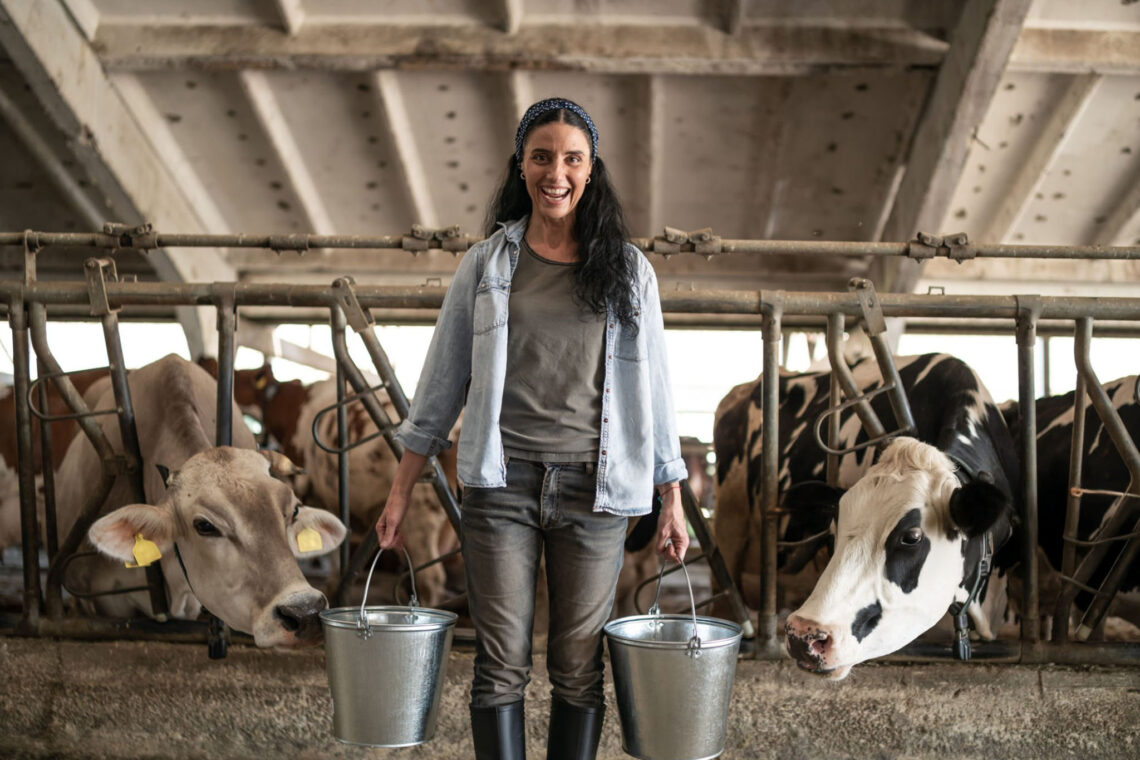
Early Fall Cattle Care: Nutrition and Pasture Management Tips
As summer transitions into fall, ranchers face a unique set of challenges in keeping cattle healthy and productive. Early autumn often brings cooler nights, fluctuating daytime temperatures, and pastures that are shifting from lush summer growth to slower fall regrowth. This transition period is critical: proper cattle nutrition and pasture management now can set the stage for strong herd performance throughout the fall and into winter.
Below are proven strategies to help ranchers make the most of their pastures while ensuring cattle receive the nutrition they need in early fall.
1. Monitor Pasture Quality Closely
In early fall, pastures begin to change.
- Declining forage quality: As grasses mature, they lose protein and digestibility, meaning cattle may not be getting the same nutrition they enjoyed in summer.
- Cool-season grass regrowth: Species like fescue and ryegrass may bounce back as temperatures cool, offering a nutrient-rich boost.
- Overgrazing risk: Allowing cattle to graze too short can weaken plants heading into winter dormancy.
Tip: Use rotational grazing to protect regrowth. Keep stubble heights at least 3–4 inches for warm-season grasses and 2–3 inches for cool-season species.
2. Balance Nutrition With Supplements
When forage quality dips, supplementation becomes important.
- Protein supplementation: Cattle need adequate protein for weight gain and reproduction. Protein tubs, alfalfa hay, or soybean meal can fill gaps.
- Energy support: Corn, distillers grains, or other concentrates may be needed if cattle are losing condition.
- Mineral supplementation: Early fall is a good time to provide balanced mineral mixes, especially those with magnesium to prevent grass tetany during cool-season growth.
Rule of thumb: Test your forage to know exactly what nutrients your pastures are providing, then adjust with supplements.
3. Manage Body Condition Before Winter
Early fall is the ideal time to assess cattle body condition.
- Cows should enter winter with a Body Condition Score (BCS) of 5–6.
- Thin cows are more difficult to rebreed and struggle to maintain weight when forage declines.
- Improving condition in the fall is more efficient than trying to do so in the dead of winter.
Tip: Sort thinner animals and give them access to higher-quality forage or targeted supplementation.
4. Water Availability and Quality
Cooler weather doesn’t mean cattle drink less — in fact, clean water remains essential for digestion and forage intake.
- Check water tanks, ponds, and automatic waterers regularly.
- Remove debris and ensure adequate flow.
- In some regions, early frosts can affect water sources, so be proactive with maintenance.
5. Parasite and Health Management
Early fall is a smart time to get ahead of herd health challenges.
- Deworming: After summer grazing, cattle may carry parasite loads. Fall deworming can reduce contamination of pastures going into winter.
- Vaccinations: If not already completed, ensure cattle are up to date on respiratory and reproductive vaccines.
- Fly control: As temperatures drop, fly activity declines, but lingering populations can still stress cattle. Keep fly tags, rubs, or sprays in use until the first hard frost.
6. Plan for Fall Forage Utilization
Early fall grazing is about balance: feeding cattle now while also preparing pastures for winter.
- Stockpile forage: Leave sections of pasture ungrazed to build a bank of standing forage for late fall and winter grazing. Tall fescue is particularly suited for this.
- Use crop residues: Corn stalks, sorghum, or soybean fields can provide valuable grazing once harvested.
- Introduce cover crops: Rye, oats, or brassicas seeded in late summer can provide nutritious fall grazing while improving soil health.
7. Transition to Winter Feeding Systems
The decisions you make now influence winter feeding costs.
- Set aside hay and ensure storage is dry and elevated to prevent spoilage.
- Test hay quality so you know which lots to feed to cows with higher nutritional demands.
- Develop a winter feeding plan that balances pasture, stockpiled forage, and supplemental feeds.
Conclusion: Setting Your Herd Up for Success
Early fall is a window of opportunity for ranchers. By carefully monitoring pasture conditions, providing targeted nutritional support, and planning ahead for winter, you can keep cattle in top condition and reduce feed costs later in the season.
Healthy pastures and properly conditioned cattle now will reward you with a smoother winter and a stronger start to the next calving season.

