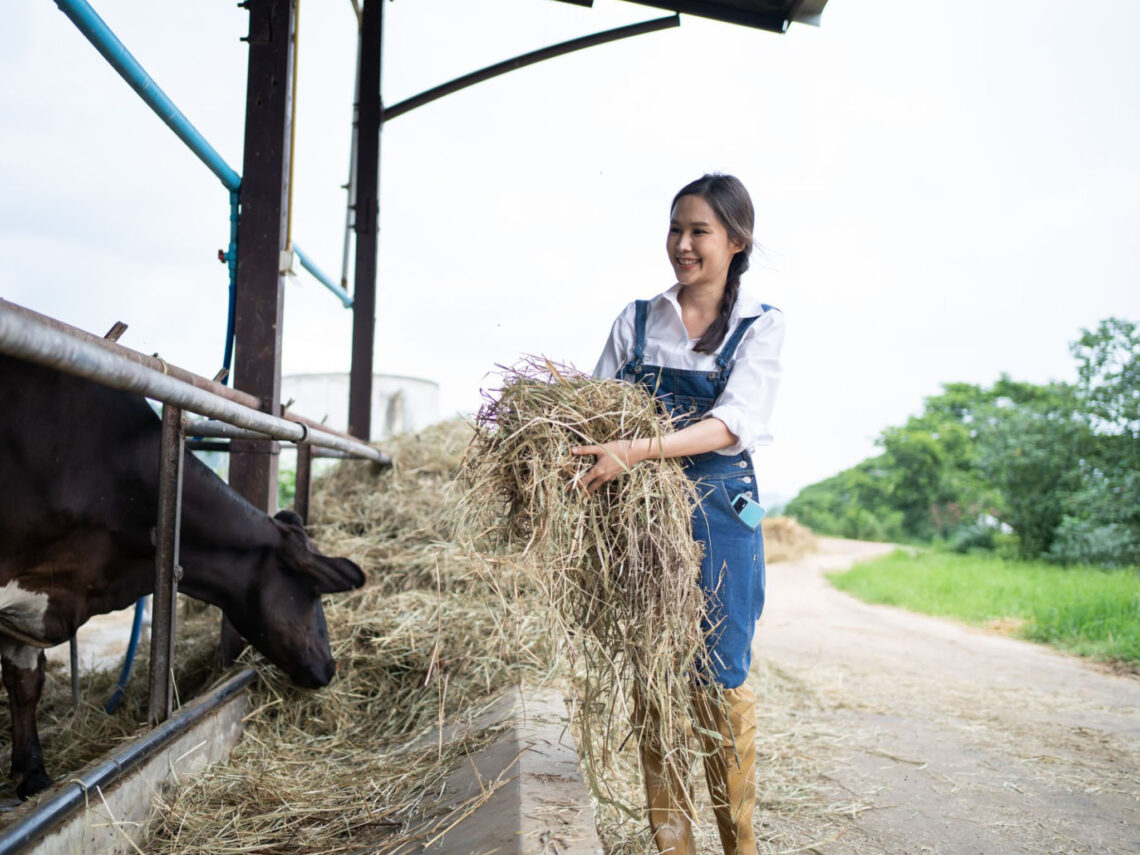
Preparing Your Pasture for Winter: Fall Grazing Strategies That Pay Off
As autumn settles across the countryside, ranchers and livestock owners know the clock is ticking. The lush green growth of summer begins to slow, and winter feed supplies quickly rise to the top of every rancher’s priority list. While many focus on storing hay and ensuring barns are ready for the cold, one of the most valuable—and often overlooked—steps is maximizing your fall grazing strategy. By managing your pastures wisely in September and October, you can reduce feed costs, protect soil health, and keep your herd in better condition through the colder months.
Why Fall Grazing Matters
Fall is the bridge between summer’s abundance and winter’s scarcity. Grass growth slows dramatically once nighttime temperatures drop, but it doesn’t stop entirely. With the right approach, ranchers can stockpile forage and stretch pastures well into winter, saving on hay and supplemental feed. Proper fall grazing also ensures pastures recover more quickly when spring arrives.
Stockpiling Forage: Nature’s Winter Storage
Stockpiling forage is one of the most effective strategies for fall grazing. Instead of cutting late-summer or early-fall growth for hay, allow it to stand in the pasture. Cool-season grasses like tall fescue, orchardgrass, and timothy retain nutritional value when left in the field. With light frost, these grasses often become sweeter and more palatable to cattle and horses.
Tips for Successful Stockpiling:
- Fertilize early: Apply nitrogen in late August or early September to encourage a flush of fall growth.
- Rest pastures: Remove livestock from stockpiling fields by early September to give grasses time to grow and build reserves.
- Grazing order: Use non-stockpiled fields first, then rotate into stockpiled pastures after hard frosts set in.
Rotational Grazing for Maximum Efficiency
Rotational grazing in fall is not only about keeping forage available—it’s also about protecting the land. Overgrazing in autumn weakens root systems, making grasses less resilient during winter dormancy and slower to recover in spring.
Best Practices for Rotational Grazing in Fall:
- Shorter grazing periods: Move animals more frequently to prevent them from biting grasses too low.
- Longer rest periods: Allow pastures 30–45 days to recover before regrazing.
- Strip grazing: Use temporary fencing to ration forage and prevent waste.
Balancing Nutrition in Cooler Months
As temperatures drop, the nutritional profile of pasture changes. Protein levels often decline, while fiber increases. To keep cattle and horses in top condition, monitor body condition closely and supplement as needed.
- Cattle: Provide mineral supplements to balance forage deficiencies. Protein tubs or alfalfa hay may help maintain weight.
- Horses: Ensure access to quality forage at all times. Some horses may need grain or ration balancers if pasture is limited.
- Sheep and goats: Watch for copper sensitivity in supplements and ensure they receive adequate trace minerals.
Protecting Pasture Health Before Winter
A well-managed pasture isn’t just about this season—it’s an investment in next year’s forage production. Fall is the time to take extra care of soil and root systems.
- Avoid overgrazing: Keep at least 3–4 inches of grass height going into winter to protect root crowns.
- Manage mud: Rotate animals off wet areas to prevent compaction and erosion.
- Overseeding: Consider overseeding legumes or cool-season grasses to improve forage diversity for next spring.
Economic Benefits of Fall Grazing
Every bale of hay you don’t have to feed in December translates into real savings. Effective fall grazing strategies can cut supplemental feed costs by 20–40% depending on your herd size and pasture quality. Additionally, maintaining healthier pastures reduces reseeding and soil restoration costs in the long term.
Final Thoughts
Preparing your pasture for winter isn’t just about survival—it’s about setting your land and livestock up for success. By stockpiling forage, practicing rotational grazing, and balancing herd nutrition, you create a system that pays off in healthier animals, stronger pastures, and lower costs. Fall may feel like the end of the growing season, but with the right strategies, it can become one of the most valuable times of the year for your ranch.


You May Also Like
Late-Fall Pruning: Setting Trees and Shrubs Up for Strong Spring Growth
Head-to-Head in the Mud: Comparing Trudave GardenStride and AquaGuard for the Toughest Jobs on Land and Water