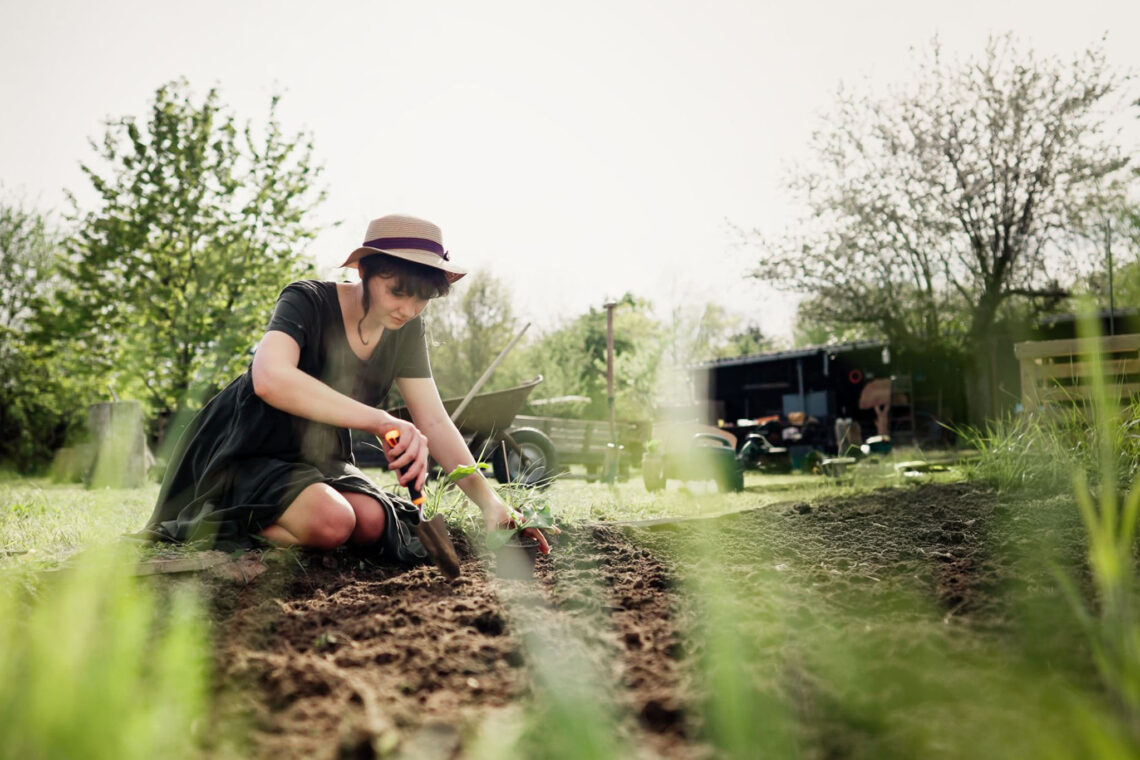
Cover Crops for Fall: Protecting and Enriching Your Garden Soil
When the vegetable beds empty out after summer harvest, many gardeners think it’s time to put tools away until spring. But in reality, the soil still has work to do—and fall is the perfect season to set your garden up for long-term success. Planting cover crops in fall not only protects your soil from erosion but also enriches it with nutrients, suppresses weeds, and creates a healthier foundation for next year’s crops.
Let’s dive into why cover crops matter, which varieties to plant, and how to manage them for maximum benefits.
Why Cover Crops Belong in Every Fall Garden
Cover crops, sometimes called “green manure,” are plants grown not for harvest but for the soil itself. In fall, they serve several vital purposes:
- Prevent Erosion: Bare soil is vulnerable to wind and rain. Cover crops act as a living blanket that holds soil in place.
- Improve Soil Fertility: Legumes like clover and peas fix nitrogen naturally, reducing the need for synthetic fertilizers.
- Build Organic Matter: When turned under, cover crops add biomass, improving soil texture and water-holding capacity.
- Weed Suppression: A dense stand of cover crops shades out weeds that would otherwise take root.
- Pest & Disease Management: Certain cover crops help break pest and disease cycles, giving your soil a fresh start.
Think of cover crops as an investment: while you won’t be harvesting them directly, your soil—and next year’s vegetables—will thank you.
Best Cover Crops to Plant in Fall
Different cover crops serve different purposes, and the best choice depends on your garden goals.
1. Rye (Cereal Rye)
- Excellent for erosion control.
- Grows quickly in cool weather.
- Adds plenty of organic matter when tilled under in spring.
2. Winter Wheat
- Hardy and reliable for late fall sowing.
- Easier to manage than rye, as it doesn’t grow as aggressively.
3. Crimson Clover
- A legume that fixes nitrogen in the soil.
- Adds beauty with its vibrant red flowers in spring.
4. Hairy Vetch
- Another nitrogen-fixing option.
- Great for improving soil fertility but requires early planting for best results.
5. Radishes (Daikon or Tillage Radish)
- Breaks up compacted soil with deep taproots.
- Leaves behind channels that improve drainage and root growth for spring crops.
6. Austrian Winter Peas
- Excellent for nitrogen-fixing and biomass.
- Can be mixed with rye for a balanced cover crop system.
When and How to Plant Fall Cover Crops
Timing is crucial. For best results, plant cover crops:
- 4–6 weeks before the first hard frost in your region.
- In soil that has been cleared of summer crops but lightly tilled or raked for good seed-to-soil contact.
Steps:
- Broadcast seeds evenly across the bed.
- Rake lightly to cover the seed.
- Water thoroughly if rainfall is limited.
Tip: Don’t wait too late into the season. While some cover crops germinate in cool soil, they need enough time to establish before winter dormancy.
Managing Cover Crops in Spring
Come spring, your cover crops will need to be terminated before you can replant vegetables. Options include:
- Tilling Under: Incorporate plants into the soil 2–3 weeks before planting.
- Mowing or Cutting: Chop down the growth and let it decompose as mulch.
- Sheet Mulching: Cover with black plastic or tarps to kill and compost crops in place.
By managing correctly, you’ll return nutrients to the soil and build fertility for the growing season ahead.
Final Thoughts: Building Healthy Soil Year After Year
Fall cover crops are one of the simplest yet most powerful ways to improve your garden. They protect bare soil from erosion, suppress weeds, boost fertility, and create healthier growing conditions for vegetables, flowers, and fruit.
By choosing the right mix—whether it’s nitrogen-fixing clover, erosion-fighting rye, or soil-loosening radishes—you’re setting your garden up for success in every season.
So don’t let your beds sit idle this fall. Put them to work with cover crops, and reap the benefits of richer, healthier soil next spring.


You May Also Like

Shelter Smart: Building Windbreaks That Keep Cattle Comfortable

Planning Next Year: Winter Garden Strategies for a Strong Start in Spring