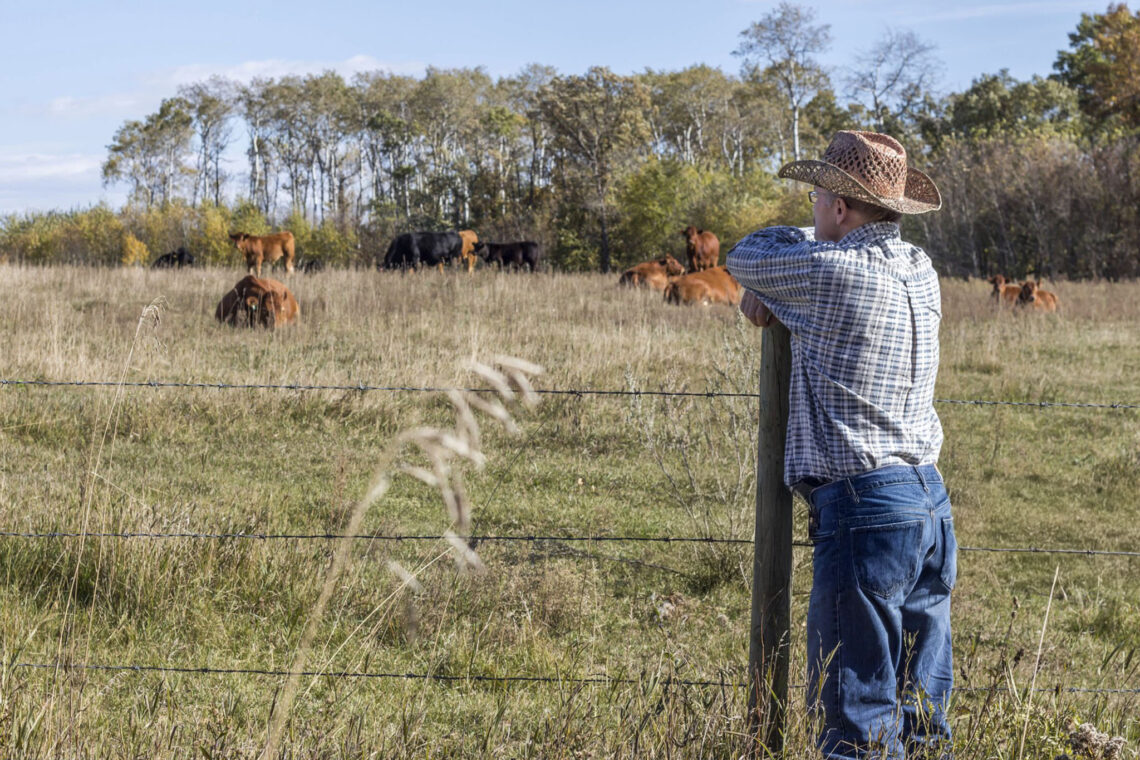
Cold-Weather Calving Prep: What Ranchers Should Do Now
For cattle producers across much of the United States, the transition from fall into winter brings both opportunities and challenges. While cooler temperatures can reduce pest pressure and disease risks, they also signal the beginning of calving season for many herds. Preparing early is essential—not just to protect vulnerable calves, but also to maintain the health of the entire herd and minimize economic losses.
In this guide, we’ll walk through what ranchers should be doing now to prepare for cold-weather calving, from nutrition adjustments to facility readiness.
1. Evaluate Body Condition of Cows
One of the most critical factors for successful calving in winter is ensuring cows are in the proper body condition score (BCS). Thin cows may struggle to produce adequate milk and have a harder time recovering after calving, while over-conditioned cows may face calving difficulties.
- Target BCS: For beef cows, aim for a BCS of 5–6 heading into calving.
- Adjust Feed Accordingly: If cows are under-conditioned, provide higher-energy supplements now. If they are too heavy, reduce energy intake slightly but maintain protein levels.
Regular scoring in the fall ensures there’s still time to make dietary changes before winter really sets in.
2. Review Nutrition Plans
Cold weather dramatically increases a cow’s energy requirements. Ranchers should be proactive in adjusting rations.
- Forage Quality: Test hay for protein and energy content. Lower-quality hay may need to be supplemented with protein blocks or grain.
- Minerals: Provide free-choice mineral supplements that support reproductive health and milk production.
- Water Access: Cows and calves need clean, unfrozen water. Check waterers daily, and consider installing heated or insulated systems to prevent freezing.
3. Prepare Calving Facilities
Facilities can make the difference between a calf surviving or succumbing to harsh weather. Even ranchers who calve mostly on pasture should prepare backup shelters.
- Calving Barns or Sheds: Ensure barns are clean, dry, and well-ventilated. Avoid drafts, but don’t sacrifice airflow completely, as humidity can cause respiratory problems.
- Bedding: Stockpile straw or wood shavings to keep calves warm and dry. Wet, dirty bedding is a leading cause of calf scours.
- Pens and Chutes: Inspect headgates, panels, and working chutes for safety and functionality before calving begins.
4. Calving Kit Checklist
Having essential supplies on hand saves time when every minute matters. Ranchers should prepare a “calving kit” and keep it in an accessible spot.
- Clean towels and blankets
- Calf puller and OB chains (sanitized and in working order)
- Disinfectant solution (chlorhexidine or iodine)
- Colostrum replacer or frozen colostrum supply
- Calf esophageal feeder
- Disposable gloves and lubricant
- Ear tags, record book, and marking supplies
This kit reduces stress during emergencies and ensures calves get the attention they need immediately.
5. Plan for Colostrum Management
The first 12 hours after birth are crucial. Calves need colostrum not only for energy but also for passive immunity.
- Monitor Nursing: Make sure calves stand and nurse within 2 hours.
- Backup Supply: Store frozen colostrum or purchase high-quality replacers in case the dam cannot provide enough.
- Assist Weak Calves: Be prepared to use a feeder if calves are too weak to nurse.
6. Emergency and Veterinary Readiness
Winter calving often means working in tough conditions where outside help may be delayed.
- Vet Contact: Keep your veterinarian’s number accessible and update them on your expected calving schedule.
- Know Intervention Timelines: If labor stalls beyond 2 hours in active labor, call for assistance.
- First Aid Supplies: Stock antibiotics (with vet approval), electrolytes, and calf-warming devices if possible.
7. Protect Newborns From the Elements
Even healthy calves can die from hypothermia within hours if not protected.
- Windbreaks: Use natural terrain or portable panels to block harsh winds in calving areas.
- Calf Jackets: In extreme conditions, insulated calf coats can help preserve body heat.
- Heated Boxes or Warming Lamps: For severely chilled calves, these tools can be lifesaving.
8. Record-Keeping Matters
Good records help track genetic performance and spot recurring problems. Note:
- Birth dates and times
- Dam ID and condition
- Calf weight and vigor
- Interventions required
These details guide future breeding and management decisions.
Final Thoughts
Cold-weather calving preparation isn’t just about surviving the season—it’s about setting up your herd for long-term success. By focusing on nutrition, shelter, and early intervention, ranchers can reduce losses, improve calf health, and boost overall productivity.
Taking time now, before the first calves hit the ground, ensures that when the cold nights arrive, you’ll be ready.


You May Also Like
Cold-Weather Feed Planning: Keeping Cattle in Top Shape All Winter
The 5-Year Rain Boot: How to Make Your Trudave Gear Outlast the Competition