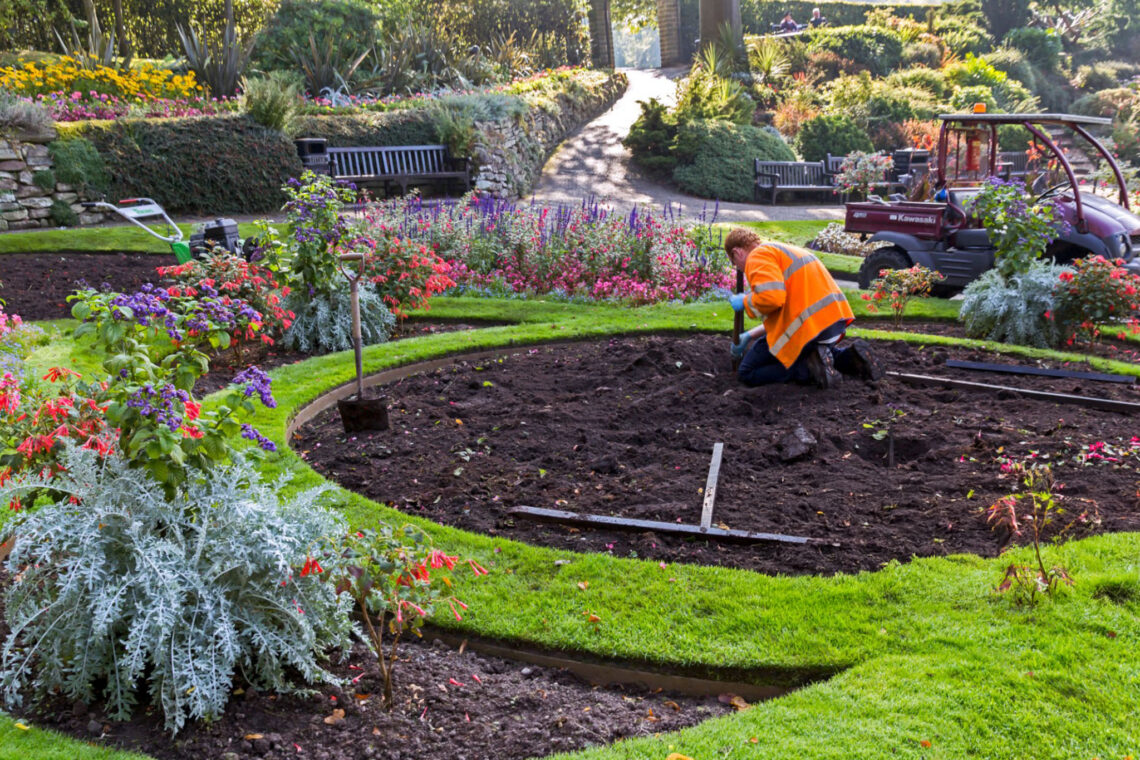
Soil Testing in Fall: Setting Up Next Year’s Fertility Plan
When it comes to successful gardening, farming, or pasture management, good soil is the foundation of everything. Fall is one of the best times of year to test your soil—not only because conditions are stable, but also because it gives you months to prepare and plan for the coming growing season. A simple soil test can reveal whether your soil is ready to support healthy crops or if it needs adjustments in pH, nutrients, or organic matter.
In this guide, we’ll break down why fall soil testing matters, how to collect accurate samples, and how to use the results to build a fertility plan that sets you up for success next spring.
Why Test Soil in the Fall?
Many growers wait until spring to think about soil fertility, but by then, it’s often too late to make meaningful adjustments before planting. Testing in the fall has several advantages:
- More Time for Amendments: Lime, sulfur, and organic matter can take months to break down and alter soil conditions. Fall testing gives these amendments time to work.
- Stable Soil Conditions: After summer growth, soil nutrient levels stabilize, providing a more accurate snapshot than in early spring.
- Better Planning: Knowing your soil’s fertility now means you can budget, order inputs, and develop crop rotations well before planting season.
Collecting a Good Soil Sample
The accuracy of your soil test depends heavily on how well you collect your samples. A sloppy sample leads to misleading results. Here’s how to do it right:
- Choose the Right Tool: Use a soil probe or clean spade. Avoid using tools that may introduce contamination (like rusty shovels).
- Sample Depth:
- Gardens and fields: 6–8 inches deep.
- Pastures and lawns: 3–4 inches deep.
- Take Multiple Cores: Collect 10–15 cores from across the area you’re testing, then mix them in a clean bucket to create a representative sample.
- Dry Before Sending: Spread soil on a newspaper to air dry. Do not oven dry, as heat can alter the results.
- Label Clearly: If you’re testing multiple fields, gardens, or paddocks, label each bag separately.
Pro Tip: Keep high-traffic areas, manure piles, or compost heaps out of your sampling zone, since they can skew the test results.
Understanding Your Soil Test Results
When your soil test comes back, it usually includes data on pH, organic matter content, and key nutrients like nitrogen (N), phosphorus (P), potassium (K), calcium (Ca), and magnesium (Mg).
- Soil pH: Determines how available nutrients are to plants. Most crops thrive in slightly acidic to neutral soil (pH 6.0–7.0).
- Nitrogen: Essential for leafy growth but often mobile in soil. Fall tests may not show available N in spring, but results can indicate organic matter trends.
- Phosphorus & Potassium: Less mobile than nitrogen, so test levels are reliable indicators for next season.
- Micronutrients: Elements like zinc, manganese, and boron may also appear on your report. While needed in small amounts, deficiencies can hurt yields.
Building a Fall Fertility Plan
Once you have your soil test results, it’s time to map out next year’s fertility plan.
1. Adjust pH
- Low pH (acidic): Apply lime in the fall. It takes months to fully react and stabilize pH.
- High pH (alkaline): Elemental sulfur or organic matter can help bring it down over time.
2. Balance Nutrients
- Phosphorus (P): Add rock phosphate, bone meal, or synthetic fertilizer as recommended.
- Potassium (K): Use potash, wood ash, or balanced blends.
- Micronutrients: Consider foliar sprays or trace mineral mixes if test results show deficiencies.
3. Add Organic Matter
Fall is perfect for applying compost, manure, or cover crops. These improve soil structure, boost microbial activity, and release nutrients slowly over time.
4. Plan Cover Crops
Planting cover crops like clover, rye, or radishes after fall soil testing ensures nutrients stay in place and prevents erosion. Some, like legumes, even add nitrogen naturally.
Why Soil Testing Pays Off
Skipping soil testing often leads to over-fertilization (wasting money and harming waterways) or under-fertilization (poor yields and stunted plants). With a soil test in hand, you apply exactly what’s needed—no more, no less.
The benefits include:
- Higher crop yields and healthier plants.
- Improved soil structure and microbial balance.
- Reduced fertilizer waste and input costs.
- Long-term sustainability for both gardens and pastures.
Final Thoughts
Soil testing in the fall is one of the smartest investments you can make for next year’s growing season. With just a small effort—collecting samples, sending them to a lab, and studying the results—you’ll know exactly what your soil needs to thrive. From adjusting pH to fine-tuning fertilizer applications, fall testing ensures you’re not guessing come spring planting.
By taking action now, you set your garden, pasture, or crop field on a path to healthier, more productive growth in the year ahead.


You May Also Like

Frost Guardians: Simple Ways to Protect Late Crops from Cold Snaps
The Illusion of the “One Perfect Boot” and the Truth About Your Wet Socks