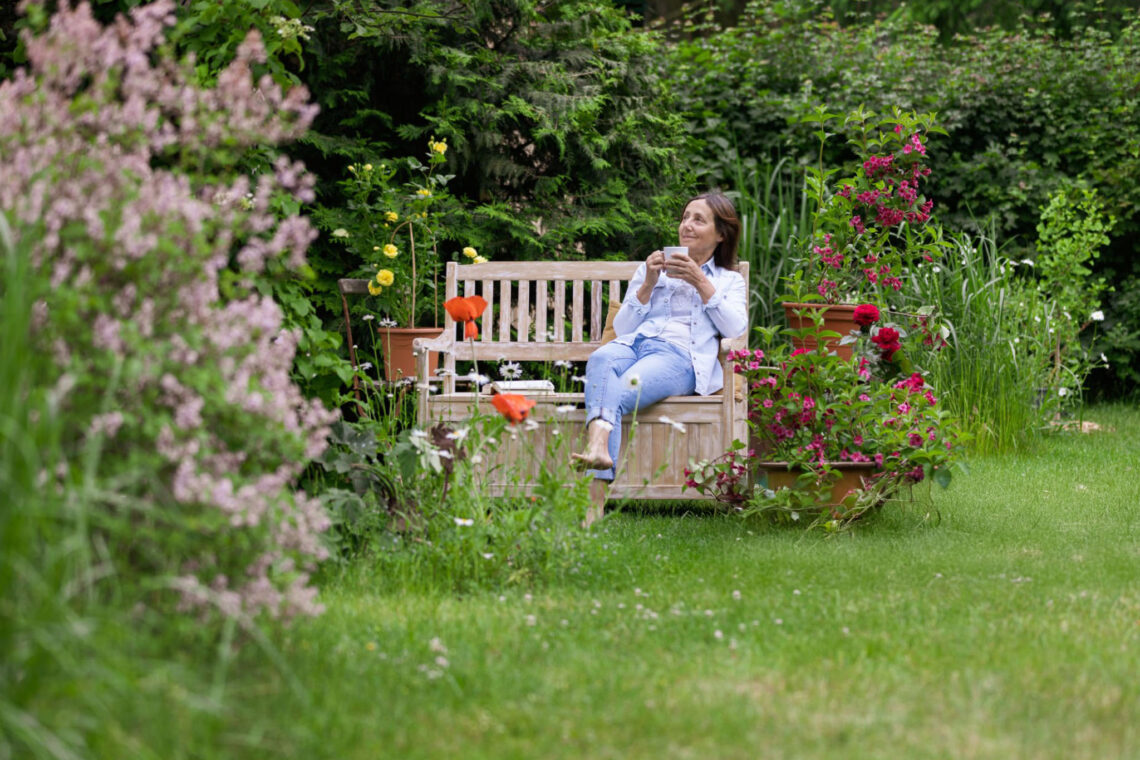
Cleaning Garden Beds: Preventing Pests and Disease Over Winter
As fall winds down and the first frosts roll in, many gardeners pack away their tools and leave the garden as it is until spring. But skipping a proper garden cleanup can set you up for major headaches next year. Dead plant material, rotting produce, and weeds provide a safe haven for overwintering pests and lingering plant diseases. By taking a little extra time in fall to clean up your garden beds, you’ll create a healthier foundation for next year’s crops.
Why Fall Cleanup Matters
Garden beds that are left untended after harvest often become breeding grounds for common problems:
- Overwintering Pests: Insects like squash bugs, cabbage worms, and cutworms lay eggs in plant debris or soil, waiting to emerge in spring.
- Plant Diseases: Fungal spores such as powdery mildew, blight, and rust can cling to dead leaves and stems, spreading quickly once temperatures rise again.
- Weed Growth: Weeds that are allowed to go to seed in the fall will be your first competitors come spring.
- Soil Health Decline: Decaying, unmanaged debris may attract rodents and hinder healthy microbial balance.
A thorough fall cleaning ensures that pests and pathogens have fewer places to hide, giving you a head start on disease prevention and pest management.
Step 1: Remove Spent Plants
Pull out all dead or dying annual plants, including vegetables, herbs, and flowers.
- Healthy Material: Compost it, as long as it shows no signs of disease or pest infestation.
- Diseased Plants: Burn, bag, or dispose of them. Do not compost blighted tomatoes, powdery mildew leaves, or anything with fungal rot, as pathogens survive in compost piles.
- Root Systems: Remove roots of heavy feeders (like corn or brassicas) to reduce pest eggs and improve soil aeration.
Step 2: Deal With Weeds
Fall is the perfect time to get ahead of weeds.
- Hand-Pull or Hoe: Focus on removing perennial weeds like dandelions, bindweed, and thistles that can regrow next year.
- Prevent Seeding: Pull weeds before they drop seeds into your soil.
- Mulch After Clearing: Apply a layer of straw, shredded leaves, or compost to suppress winter weed germination.
Step 3: Clean Up Garden Debris
Leftover produce, fallen fruit, and leaf piles attract rodents and harbor pests.
- Pick Up Fallen Fruit: Rotting fruit is a magnet for mice, voles, and even raccoons.
- Rake Leaves in Beds: Small amounts can be mulched in, but thick mats trap moisture and foster fungal diseases.
- Clear Trellises and Stakes: Wash down plant supports with a mild bleach solution to kill lingering pathogens.
Step 4: Improve Soil Health Before Winter
Cleaning up doesn’t mean stripping your beds bare—it’s also the time to replenish your soil.
- Compost Application: Spread a 1–2 inch layer of finished compost to add nutrients and feed beneficial microbes.
- Cover Crops: Sow fall cover crops like rye, clover, or hairy vetch to protect soil from erosion and boost fertility.
- Mulch for Protection: A winter mulch blanket regulates soil temperature and preserves moisture.
Step 5: Protect Perennials
Not everything should be cleared away. For perennials like asparagus, strawberries, and rhubarb, the approach is different.
- Cut Back Dead Growth: Trim stalks to reduce disease but leave crowns and roots intact.
- Mulch Heavily: Apply straw, shredded leaves, or wood chips around perennials to insulate against harsh freezes.
- Divide Overgrown Plants: Fall is the perfect time to thin crowded clumps, which encourages healthier spring growth.
Extra Tips for Pest & Disease Prevention
- Rotate Crops: Avoid planting the same crop family in the same bed next year, reducing the risk of soil-borne diseases.
- Solarize Soil: In areas with heavy disease history, cover bare soil with clear plastic for a few weeks to kill pathogens.
- Check Tools: Clean shovels, pruners, and trowels with a disinfectant to avoid spreading hidden spores.
Final Thoughts
Cleaning your garden beds in fall may not be the most glamorous task, but it pays dividends come spring. By removing plant debris, controlling weeds, and taking steps to build soil health, you’ll drastically reduce pest populations and disease risks. The result? A cleaner, healthier garden that starts the next growing season strong.
When you put your garden to bed properly, you’re not just ending one season—you’re setting the stage for your next harvest.


You May Also Like
Cold-Weather Feed Planning: Keeping Cattle in Top Shape All Winter
How January Feeding Habits Shape March Body Condition