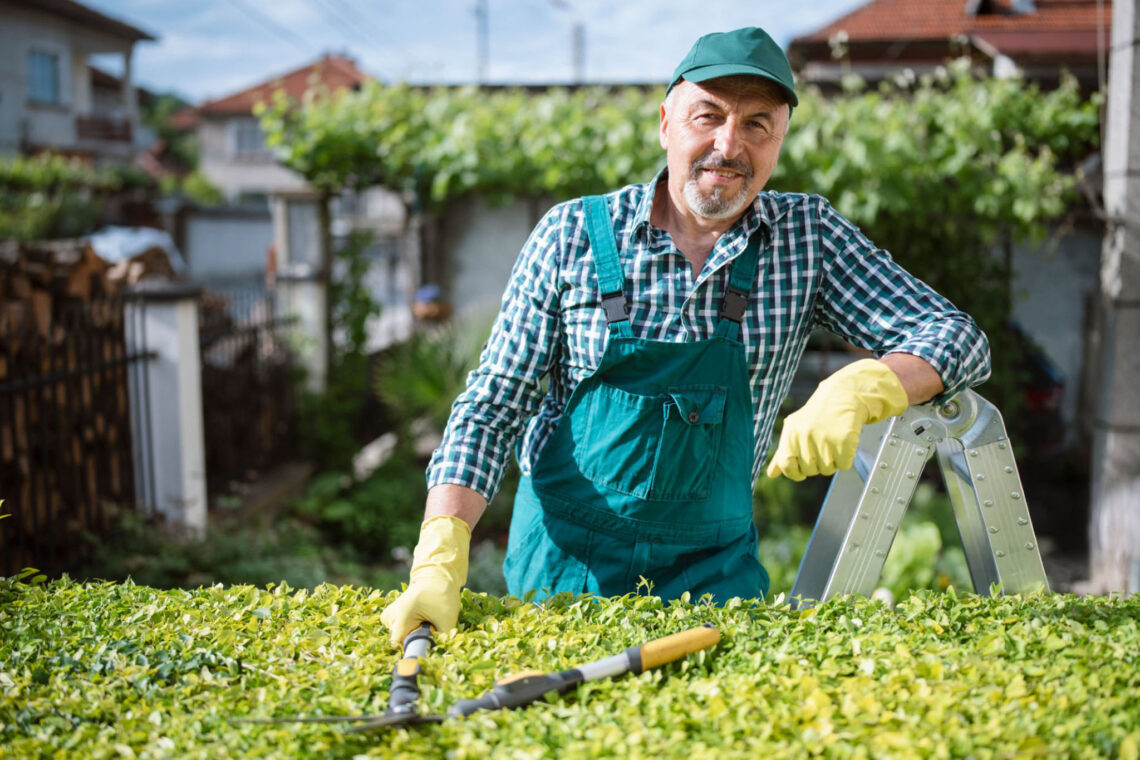
Fall Garden Cleanup: What to Remove and What to Leave for Wildlife
As fall paints the landscape with crisp mornings and colorful foliage, gardeners face the important task of cleaning up their plots. While many instinctively clear away everything to create a tidy space before winter, a growing number of gardeners are recognizing the benefits of a more balanced approach—removing what could harbor pests and disease while leaving certain plants and structures to support local wildlife. A thoughtful fall cleanup not only protects next year’s crops but also creates a thriving backyard habitat.
Why Fall Cleanup Matters
Cleaning up your garden in fall does more than improve appearances. It sets the stage for soil health, pest management, and wildlife support through the winter months. A rushed or overly aggressive cleanup can strip away essential shelter for birds, pollinators, and beneficial insects. On the other hand, neglecting cleanup entirely can leave behind disease spores and insect larvae that wreak havoc in spring. The key is knowing what to remove and what to leave behind.
What to Remove in the Fall
- Diseased Plant Material
- Tomatoes, squash, cucumbers, and roses are notorious for carrying fungal diseases like blight and powdery mildew.
- Remove and dispose of these plants—do not compost them, as spores often survive and reinfect soil the following year.
- Invasive or Aggressive Weeds
- Pull and discard weeds such as thistle, bindweed, or ragweed before they go to seed.
- This prevents them from spreading and dominating beds in spring.
- Spent Annual Vegetables
- Beans, peas, lettuce, and other annuals that have finished their life cycle should be pulled.
- Composting these adds valuable organic matter back into the soil.
- Rotting Fruits and Vegetables
- Fallen apples, tomatoes, or squash attract rodents and harbor fungal diseases.
- Clean them up promptly to keep pests from overwintering in your garden.
What to Leave for Wildlife
- Perennial Seed Heads
- Plants like coneflowers, sunflowers, and black-eyed Susans provide winter food for birds.
- Leaving seed heads intact turns your garden into a natural bird feeder.
- Standing Hollow Stems
- Many native bees and beneficial insects overwinter inside hollow stems of perennials like bee balm, milkweed, and goldenrod.
- Cutting them down in spring instead of fall preserves crucial habitat.
- Leaf Litter
- A light layer of leaves acts as natural mulch, protecting soil and providing shelter for butterflies, toads, and beetles.
- Avoid piling leaves too thick, which can smother grass or promote mold.
- Brush Piles
- Small piles of sticks and branches offer cover for birds, rabbits, and beneficial predators like garter snakes.
- This creates micro-habitats that strengthen your backyard ecosystem.
Striking the Balance: Tidy Yet Wildlife-Friendly
A wildlife-conscious garden doesn’t have to look messy. Here are a few strategies for balance:
- Designate Zones: Keep part of your garden neat while leaving wilder sections for wildlife.
- Mulch Selectively: Use shredded leaves or straw around beds while leaving seed heads in border areas.
- Staggered Cleanup: Remove diseased and invasive plants immediately, but wait until early spring to cut down hollow stems or clear brush piles.
This approach protects next year’s harvest while making your yard a refuge for pollinators and songbirds.
Benefits of a Thoughtful Fall Cleanup
- Improved Soil Health: Composting healthy debris enriches soil structure.
- Natural Pest Control: Beneficial insects overwinter in stems and leaf litter, ready to patrol your garden in spring.
- Pollinator Support: Leaving habitat ensures bees and butterflies return stronger when the weather warms.
- Winter Beauty: Seed heads dusted with frost or snow add texture and interest to the winter garden.
Final Thoughts
Fall cleanup is more than just tidying up—it’s about making smart choices that balance garden health with ecological benefits. By removing diseased plants and invasive weeds while leaving food sources and habitat for wildlife, you set the stage for a productive, beautiful, and resilient garden. This fall, take a mindful approach and let your garden work for you and for the wildlife that call it home.


You May Also Like
The Hidden Cost of Poor Ventilation During Deep Freeze
When the Storm Hits: Why Trudave Rain Boots Are the Ultimate Emergency Preparedness Footwear