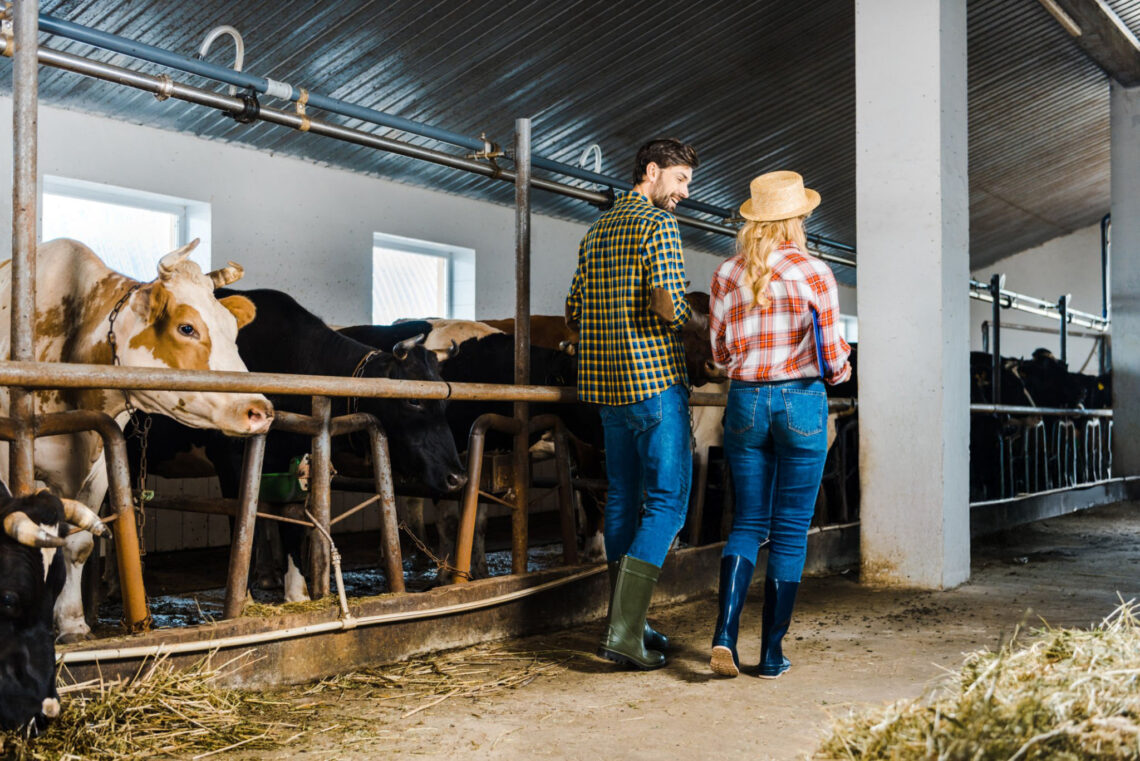
Shelter Smart: Building Windbreaks That Keep Cattle Comfortable
When the first cold fronts roll across the plains and the wind starts howling through open fields, cattle comfort becomes more than a luxury — it’s a matter of herd health and efficiency. A well-designed windbreak can mean the difference between thriving livestock and stressed, underperforming animals. For ranchers, learning how to build and position windbreaks smartly is one of the most practical winter investments they can make.
Why Windbreaks Matter More Than You Think
Wind isn’t just uncomfortable — it’s a direct drain on body heat and energy. Cattle exposed to cold winds must burn extra calories just to maintain body temperature. This results in higher feed costs and reduced weight gain, not to mention the increased risk of respiratory stress.
A well-built windbreak reduces wind speed by up to 80% within 10 times its height, dramatically improving conditions in open pastures and feedlots. That shelter zone allows animals to conserve energy, stay dry, and eat more efficiently — all key factors in keeping your operation productive during harsh winter weather.
Choosing the Right Windbreak Type
Windbreaks generally fall into two categories: natural and artificial, each with its own set of advantages depending on your ranch layout and climate.
1. Natural Windbreaks
- Tree Lines: Planting rows of evergreens like spruce, cedar, or pine offers long-term protection. They slow the wind while still allowing some airflow to prevent snow drifting too close to the cattle area.
- Shrubs and Grasses: Dense shrub borders or tall native grasses (like switchgrass or bluestem) can provide lower-level protection and reduce erosion along fence lines.
- Topography Use: If possible, position grazing or feeding areas on the leeward side of natural rises or existing woodlots — free shelter from the landscape itself.
2. Artificial Windbreaks
- Solid Board Fences: Often made from wood, these structures should allow 20–30% air passage to prevent turbulence and drifting snow buildup.
- Portable Wind Panels: Ideal for feedlots or rotational setups. Heavy-duty metal or fabric panels can be easily moved depending on wind direction and herd location.
- Hay Bale Walls: A temporary but effective solution — stacked round bales can block wind while serving double-duty as feed reserves.
Designing a Smart Windbreak Layout
A good windbreak doesn’t just block the wind — it redirects it efficiently. Here’s how to plan your layout for maximum comfort:
- Orientation: Position windbreaks perpendicular to prevailing winter winds. In most northern U.S. regions, that means facing northwest to southeast.
- Spacing: Place structures about 10–15 times their height away from feeding or loafing areas to allow snow to settle before reaching the cattle zone.
- Height and Length: Taller windbreaks provide deeper protection zones. The ideal length is at least 10 times the height to prevent wind from curling around the edges.
- Gaps: Leaving small breaks between panels or tree lines allows controlled airflow, minimizing turbulence and snow accumulation.
Maintenance and Seasonal Care
Even the best windbreak won’t perform if neglected. Routine checks before winter can prevent costly issues later:
- Tighten or replace loose boards and panels.
- Remove debris or branches that could fall under snow load.
- For natural barriers, prune dead limbs and thin overcrowded sections to maintain healthy growth and airflow.
- Re-stack hay bales as they settle or degrade to maintain coverage height.
Bonus Benefits Beyond Winter
Windbreaks don’t just pay off in cold weather. During summer, they provide shade and insect relief, help reduce soil erosion, and improve calf survival rates during spring storms. Trees and shrubs also enhance biodiversity, offer carbon sequestration benefits, and create a more resilient landscape over time.
Cost vs. Return: Why It’s Worth It
While the initial labor and material investment can vary, most ranchers see the payoff quickly. Studies from agricultural extension programs show that protected cattle gain up to 10–20% more weight in winter months and require significantly less feed to maintain body condition. Over several seasons, those numbers more than justify the effort.
Final Thoughts: Build for Comfort, Plan for Longevity
Building a smart windbreak isn’t about creating a fortress — it’s about designing a microclimate that lets your livestock thrive. Whether you choose a natural shelterbelt or a set of portable barriers, the goal is the same: reduce stress, save feed, and improve herd performance when the weather turns harsh.
As temperatures drop and winds rise, give your cattle the comfort they deserve — and your ranch the efficiency it needs — by building smarter shelters that stand strong against whatever winter sends your way.


You May Also Like

Wind-Chill Warriors: Building Low-Cost Shelter That Actually Holds Heat
Hay Quality Check: Avoiding Mold and Loss in Subzero Storage