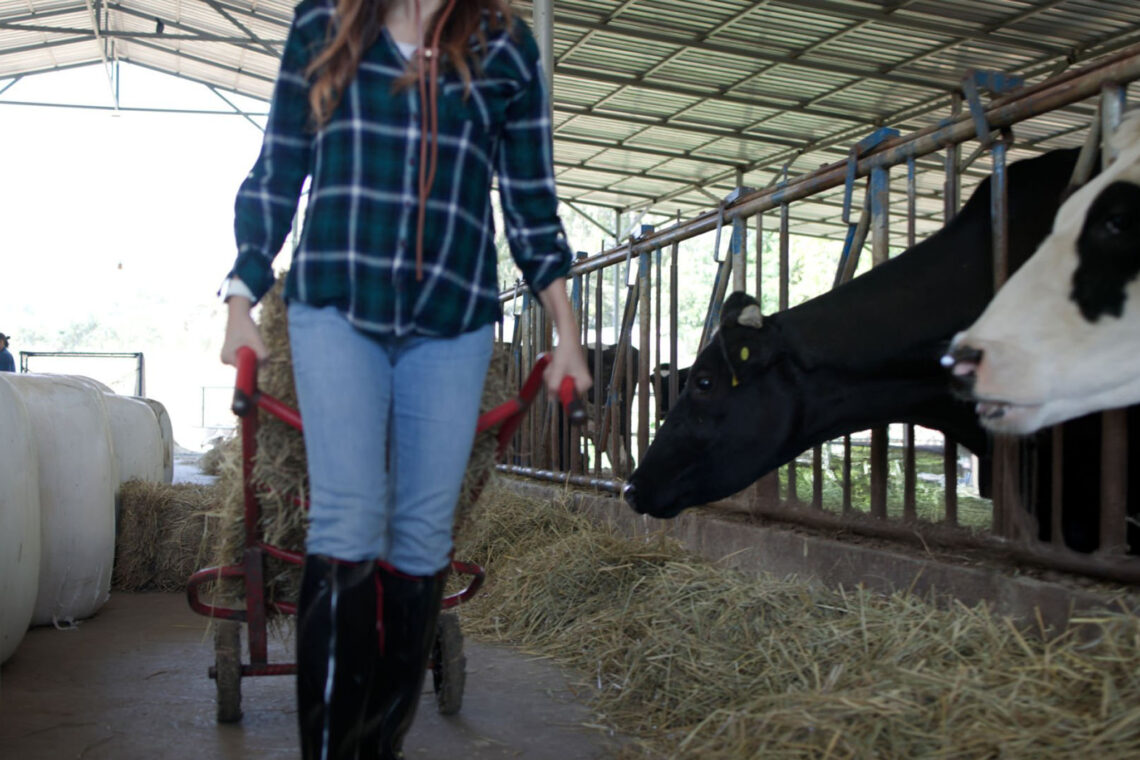
Prepping Winter Feed: Smart Hay Management Before the First Snow
When the days grow shorter and the mornings start to frost, ranchers across the country know what’s coming — feeding season. Winter feed planning isn’t just about stacking hay in the barn; it’s about strategic management that keeps your herd healthy and your wallet intact. Smart hay management before the first snow hits can mean the difference between an easy winter and a stressful one.
In this guide, we’ll walk through everything you need to know about winter hay prep — from assessing forage quality and calculating feed needs, to storage, rotation, and feeding efficiency.
1. Start with a Forage Inventory
Before winter feeding begins, take stock of what you already have. Too many ranchers skip this step and end up running short when hay prices spike midseason.
Conduct a forage inventory that includes:
- Bale count and weight — Estimate total tons of hay available.
- Nutrient testing — Send samples to your local extension service or lab for protein, energy, and moisture analysis.
- Storage condition assessment — Check for mold, pests, or spoilage in older bales.
Having accurate numbers allows you to create a realistic feed plan and identify whether you’ll need supplemental feed or mineral blocks to balance your ration.
2. Calculate the Herd’s Winter Feed Requirements
Once you know how much hay you have, it’s time to figure out how much you’ll need.
A general rule of thumb is:
Cows consume 2.5–3% of their body weight in dry matter each day.
For example:
- A 1,200-pound cow eats roughly 30–36 pounds of hay daily.
- Over a 120-day feeding season, that’s about 1.8–2.1 tons of hay per head.
Adjust your estimate based on cow size, lactation status, and the weather in your region. Colder temperatures and open feeding setups often increase feed demand.
To stretch your hay supply, consider rotational feeding or limit feeding systems — strategies that control access and reduce waste without hurting performance.
3. Quality Over Quantity: Testing and Sorting Hay
Not all hay is created equal. Protein and energy levels can vary drastically depending on harvest timing, storage, and weather conditions.
To make the most of your supply:
- Test each lot of hay for nutritional content.
- Label and sort your hay by quality — feed the highest quality to lactating cows, replacement heifers, or thin animals.
- Reserve lower-quality hay for dry cows or mature bulls with lower nutritional requirements.
This tiered approach ensures every animal gets what it needs — without overfeeding your best hay to animals that don’t require it.
4. Protecting Your Hay from Moisture and Rot
Moisture is a hay killer — both for quality and safety. Even a few inches of snowmelt or ground contact can reduce feed value by 10–25%.
To preserve your investment:
- Store bales on pallets, gravel, or old tires to prevent moisture absorption from the ground.
- Cover bales with tarps or breathable hay covers to reduce spoilage while maintaining airflow.
- Stack round bales in a north–south row orientation — this allows sunlight to dry surfaces faster after rain or snow.
- Avoid stacking too tightly — leave room for air circulation to prevent mold.
If you have a barn or shed, prioritize storing your best-quality hay inside. The extra protection will pay off in nutrition retention and reduced waste.
5. Feeding Efficiency: Reducing Waste in Winter
How hay is fed can make or break your winter efficiency. Even high-quality hay loses value if half of it ends up trampled into the mud.
Try these proven feeding strategies:
- Use ring or cone feeders to reduce trampling and waste — some designs save up to 20%.
- Feed only what cattle will clean up in one day instead of leaving large piles exposed to weather.
- Feed on frozen ground or designated pads to keep hay clean and prevent hoof damage.
- Rotate feeding areas to distribute manure evenly and avoid soil compaction.
For smaller herds, consider unrolling bales strategically — this not only spreads manure naturally but also encourages even feeding and better cow movement.
6. Supplementation: When Hay Alone Isn’t Enough
Even well-managed hay often falls short on certain nutrients during long, cold winters. To keep your cattle’s body condition stable:
- Add protein tubs or molasses blocks to support rumen function.
- Offer free-choice mineral mixes that balance calcium, phosphorus, and magnesium.
- Consider grain or energy supplements during extreme cold snaps or late gestation.
Consistent supplementation helps cattle maintain body heat more efficiently and improves feed conversion rates — saving you hay in the long run.
7. Planning Ahead: Next Year Starts Now
Smart ranchers know winter prep doesn’t end when the first snow falls — it starts the moment you begin feeding. Keep notes on:
- Which lots of hay performed best.
- How long your feed supply lasted.
- The impact of weather patterns on consumption.
This information helps refine your next year’s haying strategy, from cutting schedule to storage improvements. You’ll waste less, feed smarter, and save money with every season.
Final Thoughts
Winter feed prep isn’t glamorous work, but it’s where profitability and peace of mind meet. A little effort now — testing, sorting, covering, and planning — ensures your herd stays strong and your feed supply lasts the whole season.
When the first snow finally falls, you’ll know you’ve done it right — your cattle will be content, your hay will be dry, and you’ll be ready for whatever winter brings.


You May Also Like
Small Ranch, Big Output: Productivity Systems Used by America’s Most Efficient Homesteads
Deep Roots, Strong Herds: Building Better Pasture Resilience for Next Spring