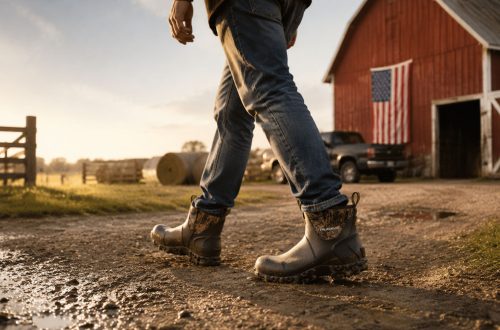
Pasture Recovery: Resting and Reseeding for Spring Grazing
As autumn settles across the countryside and the last of the summer forage fades, it’s easy to think the grazing season is over. But for ranchers and homesteaders, fall is far from a time to rest—it’s the season to rebuild and restore. The health of next year’s grazing depends on the work you do now. From resting overworked paddocks to reseeding thin pastures, a strategic fall recovery plan ensures your livestock have abundant, nutritious forage when spring returns.
🌾 Why Fall Pasture Recovery Matters
Pastures are living ecosystems, not endless grass factories. After a long summer of grazing and heat stress, root systems are often depleted, soil microbes are fatigued, and compaction has taken its toll. Ignoring this recovery phase can lead to bare patches, weed invasion, and reduced forage yields in the spring.
Fall offers ideal conditions for recovery—cooler temperatures, more consistent moisture, and reduced grazing pressure. Taking advantage of this window allows you to rebuild soil health, reestablish grass density, and boost next year’s forage productivity.
🐄 Step 1: Rest the Ground Before Winter
The most powerful tool for pasture recovery is simple: rest. When grasses are given time to regrow before winter dormancy, they store vital carbohydrates in their root systems—fuel they’ll need to green up strong in spring.
If you can, rotate livestock off your primary pastures by early fall. Use sacrifice paddocks or feed hay in a dry lot area to reduce hoof impact. Even four to six weeks of rest can dramatically improve grass vigor and soil stability.
💡 Pro Tip: Avoid grazing below 3 inches for cool-season grasses like fescue or orchardgrass. Leaving more leaf area allows photosynthesis to continue and supports deeper root reserves.
🌱 Step 2: Assess and Identify Thin or Bare Spots
Once livestock are moved, walk your fields. Note areas where grass coverage is below 70% or weeds dominate—these are your reseeding targets.
- High-traffic zones (near gates, feeders, or water tanks) often suffer from compaction.
- Low-lying areas may struggle with drainage and root oxygen.
- Hilltops or slopes tend to dry out faster and lose organic matter.
Mark these areas now, while growth patterns are visible, so you can plan reseeding or soil amendments before winter sets in.
🌾 Step 3: Choose the Right Seed Mix for Your Region
Fall reseeding is all about timing and selection. Cool-season grasses establish best in autumn, taking advantage of warm soil and consistent rainfall before frost.
Some top performers include:
- Tall Fescue (endophyte-free or novel strains): Excellent persistence and winter growth.
- Orchardgrass: Great for mixed pastures; tolerates light shade.
- Perennial Ryegrass: Fast to establish, ideal for overseeding bare areas.
- Clover (white, red, or crimson): Adds nitrogen naturally and improves forage diversity.
For southern climates, warm-season perennials like bermudagrass may need to be sprigged in spring—but cool-season annuals such as rye or oats can fill the gap for winter grazing.
🌿 Tip: Mixing legumes and grasses improves both soil fertility and animal nutrition while reducing the need for synthetic nitrogen fertilizer.
🧑🌾 Step 4: Prepare the Soil Before Seeding
Healthy soil means stronger pasture regrowth. Before broadcasting seed, take time to aerate compacted areas and test your soil pH. Most pasture grasses prefer a pH between 6.0 and 6.5. If the soil is too acidic, add lime before winter so it can break down over several months.
Lightly harrow or drag the surface to loosen the top layer, ensuring good seed-to-soil contact. After seeding, roll or cultipack the area to press the seeds in—especially important for small seeds like clover that shouldn’t be buried too deep.
🌧️ Step 5: Manage Moisture and Early Growth
Fall weather can be unpredictable. Ideally, you want your new seedlings to establish three to four inches of growth before the first hard freeze. That means planting roughly 6–8 weeks before average first frost in your area.
If rainfall is scarce, consider light irrigation to encourage germination. Avoid heavy grazing on reseeded areas until plants have developed solid root systems—usually the following spring.
⚠️ Avoid the temptation to “test graze.” Even brief hoof traffic on immature plants can uproot seedlings and set you back months.
🪱 Step 6: Feed the Soil for Long-Term Health
Fall is also prime time for organic matter management. Spreading composted manure or using a cover crop mix (such as ryegrass and crimson clover) helps protect bare soil and add nutrients. These practices:
- Reduce erosion through winter storms.
- Encourage microbial activity in the root zone.
- Improve moisture retention and aeration for spring regrowth.
If fertility is low, apply a balanced fertilizer (with moderate nitrogen, phosphorus, and potassium) to strengthen root reserves before dormancy.
❄️ Step 7: Let Winter Do Its Work
Once your fall maintenance is complete, let nature take over. Snow acts as a natural insulator and moisture source. Freeze-thaw cycles break down organic matter, helping nutrients seep deeper into the soil profile.
By early spring, your rested and reseeded pastures will respond faster to warming temperatures, outcompeting weeds and producing lush early forage.
🌤️ The Payoff: A Greener, More Resilient Spring
Pasture recovery isn’t a quick fix—it’s an investment in your land’s long-term productivity. By giving your fields time to rest, recharging the soil, and strategically reseeding thin areas, you’re setting up your ranch for a stronger, healthier, more resilient spring grazing season.
Healthy pastures don’t just feed your livestock—they anchor your entire operation’s sustainability. A few weeks of smart management now can mean months of better grazing, lower feed bills, and happier animals when the grass turns green again.
🪶 Final Thoughts
Fall is a season of preparation, not pause. Treat your pastures with the same care you give your herd. When you invest in recovery, you’re not just growing grass—you’re growing the foundation of your farm’s success for seasons to come.


You May Also Like
What Most Gardeners Misunderstand About Mid-Summer Growth Behavior
Small January Decisions That Show Up in Spring Performance