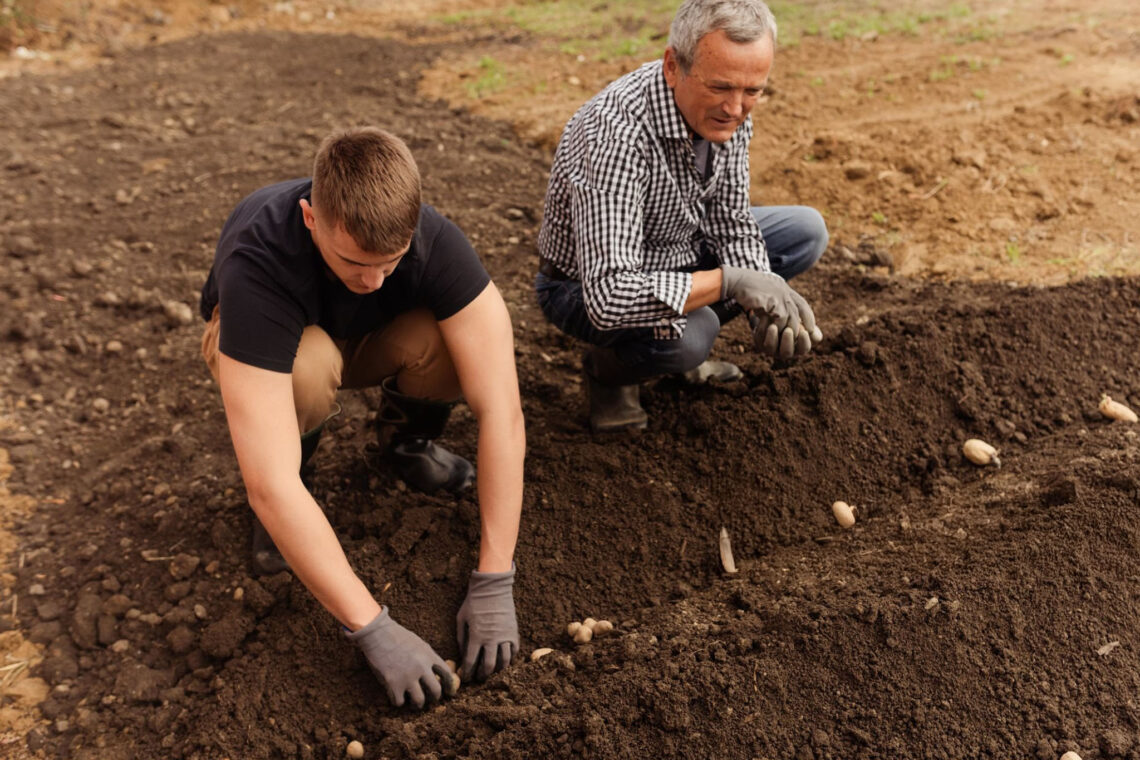
Mulch Magic: Locking In Soil Warmth for Winter Gardens
As temperatures drop and the growing season winds down, keeping your garden healthy through the winter becomes a priority. One of the simplest and most effective strategies is using mulch to insulate your soil. Mulching doesn’t just protect plants from frost—it preserves soil structure, enhances microbial activity, and prepares your garden for a strong start in spring.
1. Why Mulching Matters in Winter
Winter brings fluctuating temperatures, frozen soil, and cold winds that can harm plant roots and reduce soil fertility. Mulch acts as a protective blanket:
- Temperature moderation: Mulch keeps the soil from extreme cold swings, which can stress plant roots.
- Moisture retention: It reduces evaporation, ensuring soil doesn’t dry out during winter’s dry spells.
- Weed suppression: Even dormant weeds are hindered by a thick layer of mulch, reducing spring cleanup.
Mulch is particularly beneficial for perennials, shrubs, and vegetable beds, giving plants a stable environment to survive the cold months.
2. Choosing the Right Mulch for Winter Gardens
Not all mulches are created equal. The ideal winter mulch protects soil without causing mold, compaction, or pest problems. Popular options include:
- Straw or hay: Lightweight and excellent for vegetable beds; avoids compaction.
- Shredded leaves: Readily available and break down into organic matter, enriching soil.
- Compost: Adds nutrients while insulating soil, best in combination with other mulches.
- Bark or wood chips: Ideal for shrubs and perennial beds; long-lasting and decorative.
Tip: Avoid using fresh grass clippings or manure as the sole mulch—they can mat down and freeze, creating air pockets that harm roots.
3. How to Apply Mulch Effectively
Proper application maximizes the insulating effect and minimizes potential problems:
- Clean the bed: Remove weeds, dead plant material, and debris to reduce disease risk.
- Apply 2–4 inches thick: This depth provides effective insulation without suffocating roots.
- Keep mulch away from plant crowns: For perennials and shrubs, maintain a 1–2 inch gap around stems to prevent rot.
- Top up as needed: Winter winds and precipitation can displace mulch; check beds occasionally.
Well-applied mulch acts as a thermal buffer, preventing freeze-thaw cycles that can heave roots out of the soil.
4. Benefits Beyond Insulation
Mulching isn’t just about keeping soil warm—it enhances overall soil health and garden productivity:
- Improved soil structure: Mulch breaks down into organic matter, enriching clay or sandy soils.
- Enhanced microbial activity: Even in winter, beneficial microbes survive better under mulch layers.
- Erosion control: Mulch prevents topsoil from washing away during heavy winter rains.
- Early spring readiness: Mulched beds warm more gradually, reducing transplant shock and promoting early root development.
These benefits ensure that your garden is not just surviving winter, but thriving come spring.
5. Seasonal Tips for Maximum Effectiveness
- Late-fall mulching: Apply mulch after the first hard frost to lock in soil warmth.
- Monitor moisture: Mulch can prevent soil from drying out, but check occasionally to avoid overly wet conditions.
- Use seasonal mixes: Combine shredded leaves with straw or compost to balance insulation and nutrient enrichment.
- Protect seedlings and young plants: For tender plants, add extra layers or temporary row covers on top of mulch.
Consistency in mulch care during winter minimizes cold stress and preserves your garden investment.
6. Preparing for Spring
When spring arrives, mulch provides several advantages:
- Easy decomposition: Well-chosen winter mulch enriches soil as it breaks down.
- Reduced weed pressure: Mulched areas have fewer early-season weeds.
- Moisture management: Soil retains water better, reducing irrigation needs during early growth.
Spring garden prep becomes easier and more effective thanks to your winter mulch efforts.
Conclusion
Mulch is a gardener’s secret weapon for surviving cold months. By locking in soil warmth, preserving moisture, and enhancing soil health, it sets the stage for a thriving spring garden. Whether you’re protecting perennials, shrubs, or late-season vegetables, proper mulching in winter ensures your garden stays resilient, productive, and ready to burst into life as soon as the temperatures rise.


You May Also Like

Fencing Fundamentals: Winter Repairs and Reinforcements for Ranchers
The Workhorse You Didn’t Know You Needed: Why Trudave Rain Boots Are the Multi-Season Essential for Life Beyond Pavement