Seed Sorting Season: Planning Your Early Spring Garden Now
As winter sets in and your garden beds rest beneath a layer of frost, it’s easy to think the growing season is long gone. But for serious gardeners, winter isn’t downtime—it’s prep time. Early planning, seed organization, and a thoughtful planting strategy can mean the difference between a rushed, stressful spring and a smooth, abundant one. Welcome to seed sorting season—the perfect window to plan, dream, and prepare your early spring garden before the thaw.
1. Why Winter Is the Best Time to Plan Your Garden
Winter might seem like the quiet season, but that’s exactly what makes it so valuable for planning. Without the daily demands of watering, weeding, and harvesting, you can focus on long-term goals: rotating crops, improving soil health, and experimenting with new varieties. Plus, seed catalogs start arriving in the mail around this time, offering endless inspiration for next year’s beds.
Use this period to assess your garden’s performance from last year:
- Which crops thrived, and which struggled?
- Were there pest or disease issues?
- Did your garden layout make watering and harvesting easy?
Taking notes now will help guide smarter choices when spring arrives.
2. The Art of Seed Sorting: Organize Before You Sow
If you’ve gardened for more than a season or two, you probably have a stash of half-used seed packets tucked away somewhere. Sorting them isn’t just about cleaning up—it’s about planning efficiently and saving money.
Here’s how to organize like a pro:
- Sort by type and planting time. Group cool-season crops (like lettuce, spinach, and peas) separately from warm-season crops (like tomatoes, squash, and peppers).
- Check expiration dates. Most seeds remain viable for 2–5 years, depending on how they’re stored. Test older seeds with a quick germination test before relying on them.
- Store properly. Keep seeds in airtight containers in a cool, dark place. Adding a silica gel pack helps control moisture.
Consider keeping a seed inventory sheet that tracks what you have, when you bought it, and what needs replacing—it’s a small step that saves time come spring.
3. Mapping Out Your Spring Planting Schedule
Once your seeds are sorted, it’s time to create a garden map. This doesn’t have to be fancy—a simple sketch works fine. What matters is visualizing your space and planning based on plant compatibility and sunlight needs.
Key factors to consider:
- Crop rotation: Avoid planting the same family (like tomatoes and peppers) in the same spot year after year to reduce soil-borne diseases.
- Succession planting: Plan quick-maturing crops (like radishes or lettuce) in between longer-growing ones (like cabbage or corn).
- Companion planting: Match crops that help each other grow—think basil with tomatoes, or carrots with onions.
Tools like online garden planners or even a spreadsheet can help you visualize timing and spacing, ensuring you make the most of every square foot.
4. Building Your Soil Before Spring
Healthy soil means healthy plants. Late winter is the perfect time to start improving your garden beds before planting begins.
- Add compost: Enrich your soil with decomposed organic matter for better structure and fertility.
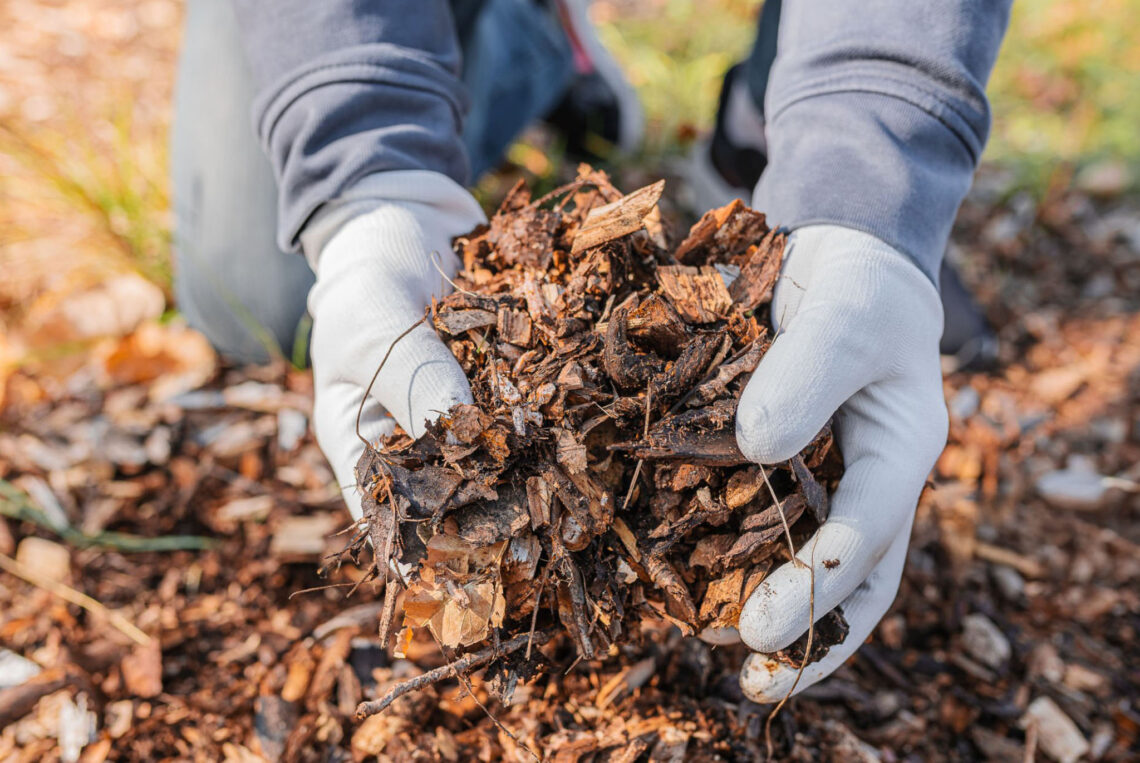
- Apply mulch: A layer of straw or leaves can insulate the soil, prevent erosion, and promote microbial activity through winter.
- Test your soil: Many extension offices offer affordable testing kits. Understanding your soil’s pH and nutrient levels now gives you time to make adjustments before planting.
If you use raised beds, winter is also ideal for repairing wooden frames or refilling with fresh soil mix.
5. Order Early, Grow Confidently
Seed shortages are common in late winter, especially for popular or heirloom varieties. By ordering seeds early, you ensure access to the best options before other gardeners snatch them up.
Look for varieties that are:
- Cold-tolerant: Perfect for early sowing.
- Short-season: Ideal if you’re in a cooler climate.
- Pest-resistant: A smart way to reduce chemical use and frustration later.
If you plan to start seeds indoors, gather your trays, grow lights, and soil mix now. That way, when the time comes, you’ll be ready to start sowing without a scramble.
6. Preparing for an Early Start
Once the days begin to lengthen, you’ll feel the pull toward the garden again. But those who’ve spent their winter planning, sorting, and organizing will be weeks ahead of the game.
By early March, you can already be germinating cold-hardy vegetables like kale, broccoli, and onions indoors. When the soil warms, you’ll transplant healthy seedlings directly into well-prepared beds—while others are still flipping through catalogs.
Conclusion
Seed sorting season is about more than cleaning up old packets—it’s a mindset shift toward preparation, patience, and possibility. Taking time in the winter months to organize, plan, and prepare gives your garden the foundation it needs to thrive when spring arrives.
So grab a mug of coffee, spread those seed packets across the table, and start dreaming. Because the gardeners who plan now are the ones harvesting first come spring.


You May Also Like

Rain Boots vs Waterproof Boots: Which Should You Choose for Wet Outdoor Conditions?
Best Boots for Christmas Tree Farm Work: Waterproof Footwear for Mud, Wet Grass, Slopes, and Winter Harvest