From Frost to Bloom: Waking Up Your Garden for the First Warm Days
When the last frost fades and the air finally softens, there’s a quiet excitement in the garden that every grower can feel. The ground begins to thaw, robins return to the fence posts, and the first sunlight of spring carries that unmistakable scent of earth and renewal.
For gardeners, this is the moment we’ve waited for — the time to wake the soil, stretch our backs, and breathe life back into the beds that have slept all winter. From frost to bloom, these early days set the tone for everything that follows.
The Thaw: Understanding What Your Soil Needs
After months of freezing temperatures, your soil is tired and compacted. Before any planting begins, it needs to breathe again.
- Test the Soil Moisture – Don’t rush in. Dig a small handful from 4–6 inches deep and squeeze it. If it crumbles easily, it’s ready to work. If it clumps together, wait a few more dry days.
- Loosen, Don’t Overturn – Use a garden fork to gently aerate rather than deep-till. This preserves beneficial organisms and early root structures.
- Add Organic Matter – Compost, leaf mold, or aged manure re-energize soil microbes and improve structure after winter’s compression.
Early soil care isn’t glamorous, but it’s the foundation of every healthy bloom to come.
Clearing Winter’s Leftovers
Before new growth can shine, last season’s debris must go.
- Cut back dead perennials but leave a few hollow stems until temperatures stay consistently above 50°F — they house overwintering pollinators.
- Rake gently to remove matted leaves that can suffocate emerging shoots.
- Inspect mulch layers — thick, wet mulch can harbor mold; fluff or replace it to encourage air circulation.
This cleanup isn’t just cosmetic. It opens the soil to sunlight, prevents rot, and welcomes beneficial insects back into your garden’s ecosystem.
Feeding the Earth: Early Fertilization and Mulching
As the soil warms, plants begin drawing nutrients fast. A light feeding now can mean stronger growth later.
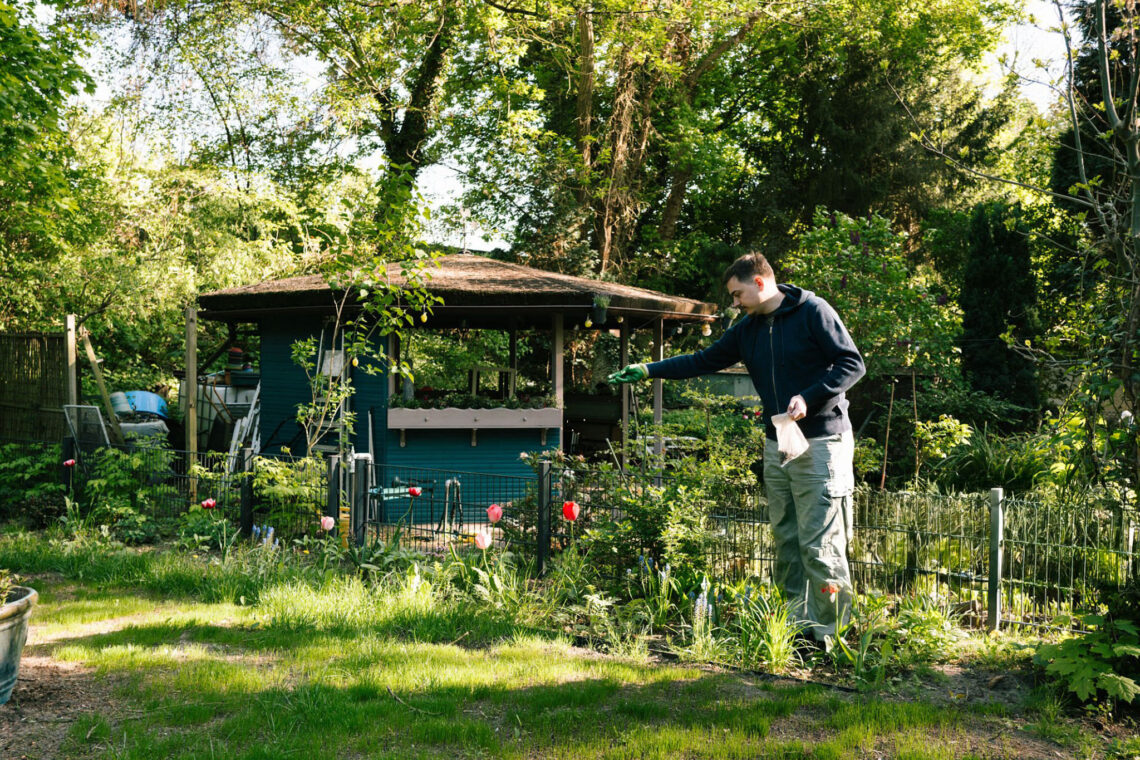
- Compost tea or fish emulsion provides a natural nutrient boost without burning tender roots.
- Slow-release organic fertilizer ensures steady feeding through unpredictable spring weather.
- Fresh mulch, once the ground has dried, locks in moisture and suppresses early weeds.
Think of it as breakfast for your garden — simple, balanced, and energizing.
Choosing What to Plant First
Spring’s early warmth can tempt you to plant everything at once, but patience pays off.
Cool-Season Crops: Lettuce, peas, kale, spinach, radishes, and onions thrive in soil temperatures between 40–50°F. Start them early and harvest before the summer heat.
Hardy Perennials: Divide and transplant daylilies, hostas, and irises while they’re still dormant or just emerging.
Flowering Shrubs: Forsythia, lilacs, and hydrangeas benefit from pruning and feeding now, just before their growth surge.
Each region’s frost date differs, but the rule is simple: plant hardy first, tender last.
Watering Wisely in Early Spring
Spring watering is about restraint. The soil already holds plenty of moisture from snowmelt and spring rains.
- Water deeply but infrequently to encourage strong roots.
- Avoid walking on wet soil — it compacts easily, cutting off oxygen flow.
- Collect rainwater now to prepare for the drier months ahead.
Your garden doesn’t need a flood — it needs consistency.
Tools, Boots, and Gear for Muddy Season
Early spring gardening means mud, slush, and chilly mornings. The right gear keeps you dry, comfortable, and focused.
- Waterproof garden boots (like Hisea or Trudave) are essential for traction and warmth when the soil is still soft.
- Durable gloves protect hands from thorns and damp soil.
- Kneeling pads or waterproof overalls make long cleanup sessions easier on your body.
The thaw may be messy, but with proper gear, it’s also deeply satisfying — a ritual that reconnects you to the land.
Encouraging Pollinators and Wildlife
Spring’s earliest blooms — crocuses, snowdrops, and daffodils — are critical food sources for awakening bees.
- Leave some dandelions and wild violets; they’re valuable nectar sources.
- Set out shallow water dishes with pebbles for bees and butterflies.
- Choose native plants whenever possible — they thrive with less input and support local ecosystems.
A living garden feeds more than just you — it nourishes the web of life returning with the sun.
The Emotional Side of Spring Gardening
There’s something profoundly human about watching your garden wake up. Every sprout feels like a small victory, every green shoot a reminder that cycles of rest and renewal are natural — even necessary.
You remember the ache in your hands, the smell of fresh soil, the sound of robins in the distance — and realize this isn’t just a hobby. It’s a way to witness the earth’s resilience firsthand.
Each season, from frost to bloom, teaches the same truth: no matter how long the cold lasts, life finds its way back.
Final Thoughts
The first warm days of spring don’t last long, but they hold everything a gardener could hope for — renewal, promise, and possibility. Whether you tend a sprawling prairie plot or a backyard bed, these early moments shape the months to come.
Take it slow. Listen to the soil. Enjoy the mud on your boots and the sun on your back. From frost to bloom, you’re part of something ancient and alive — the steady heartbeat of the seasons themselves.


You May Also Like
Fall Forage Management: Boosting Pasture Productivity Before Winter
Why Timing Planting and Transplanting Is Crucial Before Summer Arrives