The November Gardener’s Guide: What to Prune, What to Protect, and What to Plan
November may seem like the season of slowing down — a time when gardens fade, days shorten, and frost settles over the fields. But for the savvy gardener, this is far from a time to hang up the gloves. In truth, November is one of the most strategic months in the gardening calendar. What you do now — pruning, protecting, and planning — will determine how smoothly your garden wakes up in spring.
🌿 What to Prune: Clearing the Way for Healthy Growth
1. Trim back dead or diseased wood
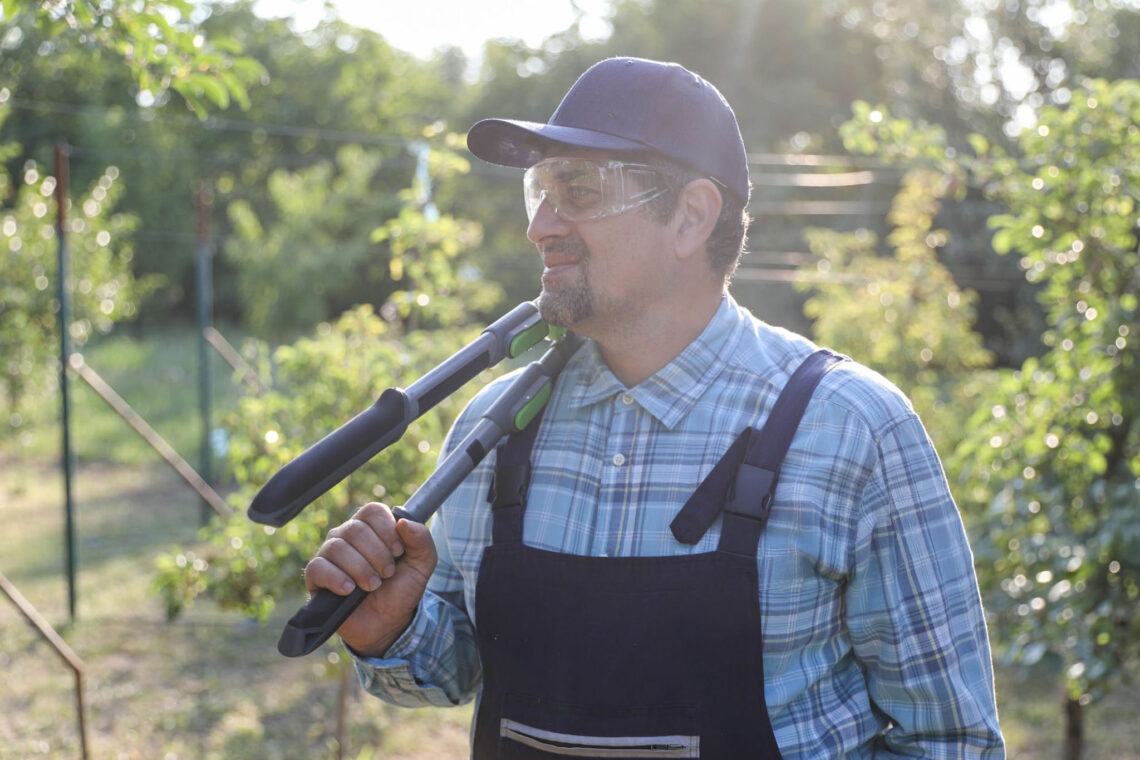
Late fall is ideal for pruning trees and shrubs that have entered dormancy. Without active sap flow, your cuts will heal cleanly, reducing stress on the plant. Start with branches that are clearly dead, damaged, or crossing each other. Remove them at the base or just above a healthy bud.
2. Shape deciduous trees and shrubs
Once leaves drop, it’s easier to see the structure of your plants. Lightly shape fruit trees, maples, or lilacs now to encourage balanced growth and air circulation. Avoid over-pruning—heavy cuts can make them vulnerable to winter damage.
3. Cut back perennials (selectively)
Some perennials like peonies, daylilies, and irises benefit from being cut back to the ground after frost. Others, like coneflowers and black-eyed Susans, can be left standing. Their seed heads feed birds and add texture to a snowy landscape.
4. Don’t forget ornamental grasses
While it’s tempting to tidy everything up, many gardeners now prefer leaving grasses uncut through winter. Their golden plumes provide both habitat for wildlife and natural insulation against the cold.
🛡️ What to Protect: Shielding Plants from Frost and Wind
1. Mulch, mulch, and more mulch
A 2–4 inch layer of organic mulch (like straw, shredded leaves, or wood chips) acts as a blanket for your soil. It stabilizes temperature, reduces frost heaving, and locks in moisture. Apply it around perennials, shrubs, and garlic beds — but avoid piling it directly against stems.
2. Wrap young trees
Tender trunks, especially of young fruit trees or maples, are prone to sunscald and frost cracks. Wrap them with breathable tree guards or burlap. This also keeps rodents from gnawing at the bark during the cold months.
3. Protect root crops and greens
If you’re still harvesting carrots, parsnips, or kale, cover them with straw or a cold frame. These crops can withstand light frost, but a sudden deep freeze can end your season too soon.
4. Bring containers indoors
Terracotta and ceramic pots can crack in freezing conditions. Move container plants into a garage, shed, or enclosed porch. Hardy container shrubs can stay outside with a wrap of burlap or frost cloth.
🧭 What to Plan: Preparing for the Season Ahead
1. Take notes and photos now
While the memory is fresh, jot down what thrived, what failed, and what you’d like to change next year. Did the tomatoes crowd your herbs? Were your sunflowers too close to your beans? A few quick notes now can save you hours of guesswork in spring.
2. Start your spring wish list
Browse seed catalogs or local nurseries online. Focus on cold-hardy varieties that match your zone. This is also a good time to order bulbs if you didn’t plant them earlier — tulips, daffodils, and hyacinths still have time to settle before the ground freezes solid.
3. Prepare your tools and equipment
Clean and sharpen garden shears, shovels, and pruners. Drain hoses and store them out of the cold. Wipe metal surfaces with light oil to prevent rust — your future self will thank you when spring comes.
4. Feed the soil
Compost piles work slower in cold weather, but they still work. Turn your pile once before winter, and add shredded leaves for carbon balance. You can also spread a layer of compost over garden beds now — winter snow and rain will help it integrate naturally.
🌱 Final Thoughts: Rest is Part of the Rhythm
The November garden is a lesson in patience and preparation. While it may appear that nature is going to sleep, every root, seed, and soil microbe is quietly getting ready for renewal. The actions you take now — pruning with purpose, protecting with care, and planning with foresight — ensure that when spring finally arrives, your garden won’t just wake up; it will thrive.
So pull on your gloves, grab your rake, and make the most of this calm, golden window before winter takes hold. A little effort now pays off in blossoms, bounty, and beauty down the road.


You May Also Like

Why Your Pasture Still Looks Good but Produces Less Usable Forage
Soil Health Checkup: Testing and Tuning Before the Thaw Arrives