Fighting Mud Season Early: Ranch Drainage Fixes You Shouldn’t Delay
Get ahead of spring’s mud before it destroys your pastures, stresses your livestock, and wrecks your workflow.
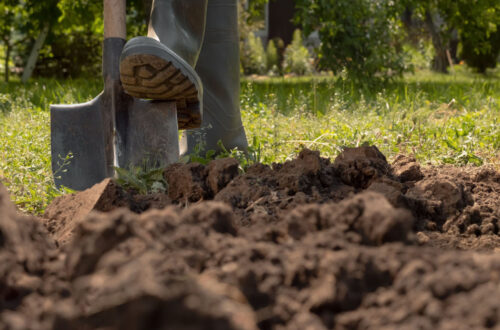
Mud season isn’t just an inconvenience—it’s one of the most frustrating and costly challenges ranchers face every year. Once the thaw begins and winter moisture starts to rise, mud can take over everything: feeding areas, gates, water stations, driveways, corrals, and pasture paddocks.
But the ranchers who stay ahead of it—those who tackle drainage early—experience smoother operations, healthier animals, and significantly less long-term damage.
This guide breaks down practical, effective, ranch-tested drainage fixes you should address now, before mud season arrives in full force.
1. Understand Why Mud Becomes a Problem So Fast
Even well-managed ranches struggle with mud when winter transitions into spring.
Key reasons mud season hits hard:
- Freeze-thaw cycles churn soil and break down structure
- Compacted ground prevents moisture absorption
- Heavy livestock traffic concentrates water in problem zones
- Poor drainage slopes trap runoff
- Over-saturated pastures can’t recover without intervention
Identifying the source of your mud issues now helps you fix them before spring storms make conditions worse.
2. Address High-Traffic Mud Zones First
Some areas will always become muddy before others. Prioritize these hot spots:
✓ Gates and entryways
Livestock bunch up here, churning the soil.
✓ Feed and hay stations
Animals linger, stomp, and spill feed—creating wet, compacted areas.
✓ Water troughs and automatic drinkers
Leaky valves or overflow create year-round mud pits.
✓ Barn-to-pasture paths
Daily traffic quickly destroys wet ground.
Fix these zones before mud season to prevent long-term destruction.
3. Regrade and Reshape Problem Areas While Soil Is Soft Enough
Good drainage begins with good slope.
What to look for:
- Standing water that lingers more than 24 hours
- Channels that naturally guide runoff toward traffic areas
- Low spots livestock avoid—or sink into
Fix with early regrading:
- Create gentle slopes (2–5%) away from barns and feeding areas
- Fill depressions with gravel, crushed limestone, or compacted soil
- Add shallow swales to redirect water
- Raise high-traffic paths with compacted screenings
Early grading saves you from months of mud headaches.
4. Install French Drains or Dry Wells Before the Ground Freezes
If your ranch struggles with chronic low spots or near-barn pooling, a French drain is one of the most effective long-term fixes.
French drains work well for:
- Barn perimeters
- Driveways
- Water stations
- Corrals
- Paddocks with heavy rainfall runoff
Dry wells are ideal for:
- Areas where water collects with nowhere to go
- Sandy soils
- Spaces far from natural drainage channels
Doing this before mud season ensures your systems are ready for snowmelt and early spring rains.
5. Lay Down Aggressive Ground Material in High-Impact Zones
The right base materials can transform a sloppy mud pit into a firm, walkable surface—even during wet seasons.
Top ranch-approved materials include:
- Crusher run / road base (excellent compaction)
- Pea gravel (good for drainage under feeders)
- Crushed limestone (drains well and neutralizes acidity)
- Geotextile fabric + gravel (prevents sinking and long-term rutting)
Pro tip:
A layer of geotextile fabric under gravel doubles the life of your fix and prevents your investment from sinking into the mud.
6. Improve Ranch Water Management Before the Thaw
Mud season problems often stem from poor water control.
You may need to:
- Extend downspouts far from barns
- Add gutters to livestock shelters
- Redirect roof runoff to a ditch, swale, or pasture depression
- Build diversion berms to keep hillside water away from corrals
- Install simple splash blocks under drip points
Water you can redirect today is mud you won’t deal with tomorrow.
7. Fix or Replace Leaky Waterers and Hydrants
One of the biggest hidden causes of mud is a slowly leaking hydrant or waterer.
Common issues to check now:
- Loose valves
- Faulty float systems
- Cracked hoses
- Overflowing troughs
- Minor hydrant drips that freeze–thaw repeatedly
Repair or replace these before mud season exposes their damage.
8. Protect Pastures by Rotating Herds Early
If livestock stay on saturated ground too long, you lose topsoil, forage, and compacted layers form that take years to recover.
Do this before mud season:
- Move animals off the most vulnerable paddocks
- Set up sacrifice lots with good footing
- Rest any pasture that was heavily grazed late fall
- Reinforce your winter paddock with gravel or screenings
Healthy soil absorbs more water—giving you less mud and better spring forage.
9. Build or Refresh Sacrifice Areas
Every ranch needs a dedicated space to protect pastures during the wettest weeks.
Ideal sacrifice areas should have:
- High elevation
- Good drainage
- Gravel or screenings + geotextile
- Easy access to hay and water
- A solid fence line
A well-made sacrifice area is one of the best investments for ranchers who fight mud every year.
10. Prepare Your Equipment for Mud Management
Once mud season arrives, you need working equipment—not surprises.
Get ahead by:
- Checking tractor tires and chains
- Ensuring the bucket and blade are in good condition
- Staging gravel or screenings early
- Cleaning drainage ditches before snowmelt
- Marking culverts and low areas with tall stakes
Nothing is worse than trying to fix mud while stuck in it.
Final Thoughts
Mud season doesn’t sneak up—it announces itself every year.
The ranchers who stay ahead of it are the ones who act now: reshaping terrain, installing drainage, reinforcing high-traffic zones, checking water systems, and preparing sacrifice areas before the ground turns sloppy.
With the right early prep, you can turn a dreaded season into a manageable one—and keep your livestock comfortable, your equipment functional, and your pastures healthier for spring growth.


You May Also Like
The Backyard Microclimate Hack That Turns Weak Gardens Into Powerhouses
The Muddy Morning Epiphany: Why Your Rain Boots Are Failing You (And the One Fix That Works)