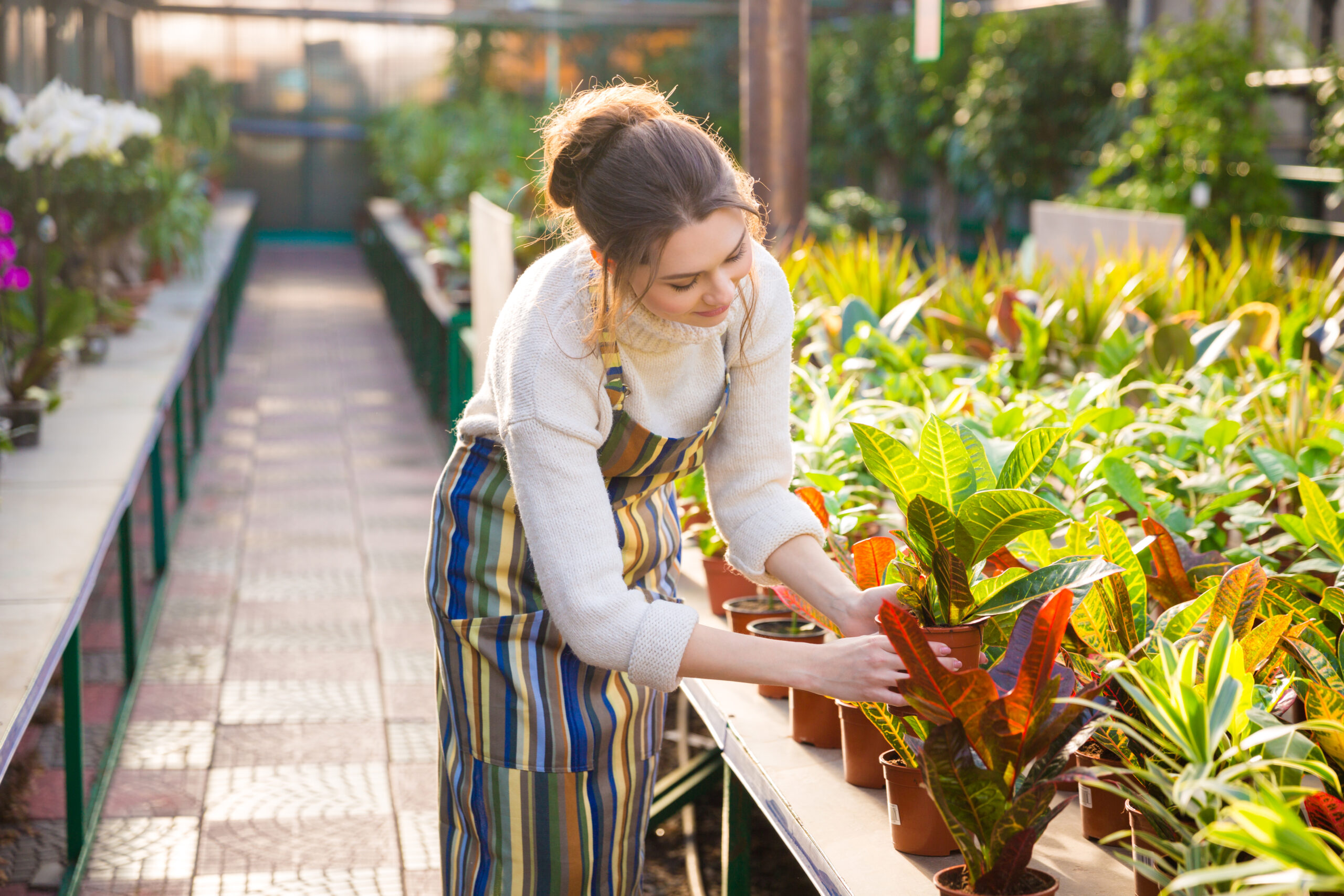
From Frozen Soil to Fresh Herbs: Indoor Growing Tricks for December
When December settles in and the garden beds outside turn stiff and silent under layers of frost, it’s easy to assume your growing season is done. But winter doesn’t have to signal the end of fresh flavor. With the right indoor techniques, you can transform frozen outdoor soil into a thriving indoor herb oasis—one that keeps your kitchen packed with basil, rosemary, mint, chives, cilantro, and more, all winter long.
Indoor herb growing in December is more than just a workaround. It’s a smart, efficient way to stay connected to your garden, boost home self-sufficiency, and enjoy ingredients that taste nothing like the store-bought, plastic-wrapped version. Here’s how to make it work, even in the darkest days of winter.
Why December Is the Perfect Time to Start an Indoor Herb Garden
While outdoor conditions are harsh, indoor environments are surprisingly ideal for herbs. Here’s why:
1. Consistent Temperatures
Most herbs prefer stable temperatures between 60°F and 75°F—exactly what a typical home maintains in winter.
2. Fewer Pests
Freezing weather drastically reduces outdoor pest pressure, meaning fewer gnats or mites find their way inside.
3. Built-In Humidity Control
Heating systems dry indoor air, which can actually help prevent mold issues if you water wisely.
4. A Psychological Boost
Fresh greens and bright scents help fight winter fatigue and add warmth to holiday cooking.
Choosing the Right Herbs for Indoor December Growing
Not all herbs perform equally indoors, especially with limited daylight. Stick to varieties that naturally tolerate lower light and steadier moisture:
Best Indoor Herbs for December
- Mint – Hardy, fast-growing, low light tolerant
- Chives – One of the easiest indoor herbs; regrows quickly
- Parsley – Slow germinator but strong indoor performer
- Cilantro – Prefers cool temps and thrives in winter
- Thyme – Loves dry indoor air and steady warmth
- Basil (compact varieties) – Does best under grow lights
- Oregano – Low-maintenance and cold-tolerant
If you’re new to winter herb gardening, start with: mint, chives, thyme, or parsley.
Setting Up Your Indoor Herb Station
A good setup doesn’t require fancy gear—you just need to mimic the basics of outdoor growing.
1. Light: The Make-or-Break Factor
Daylight in December is short and weak, especially in northern states. Most herbs need 10–14 hours of light daily.
Your Options:
- South-facing window: Best for passive light lovers like mint or thyme.
- LED grow lights: Essential for basil and cilantro; energy-efficient and inexpensive.
- Clamp-on lamps or under-cabinet lights: Perfect for small-space growing.
Tip: Keep lights 6–12 inches above plants and adjust as they grow.
2. Containers Matter More Than You Think
Herbs prefer breathable, well-drained containers.
Clay or fabric pots help prevent root rot. Small 4–6 inch pots are fine for starters.
Make sure every pot has:
- Drainage holes
- A saucer or tray
- Room for root spread
Avoid overly deep pots—they hold too much moisture indoors.
3. Soil: Never Use Outdoor Dirt in December
Frozen or thawed outdoor soil is full of dormant pests, fungal spores, and compaction. Go with:
- High-quality indoor potting mix
- Added perlite for drainage
- A tablespoon of worm castings for slow-release nutrients
Avoid garden soil, topsoil, or heavy compost for indoor herbs.
Watering Wisely When the Air Is Dry
Winter watering rules flip compared to summer.
What Herbs Need Indoors:
- Less water than you expect
- Consistent moisture, not saturation
- Dry time between waterings
A good habit:
Stick your finger one inch into the soil. If it’s dry, water. If it’s damp, wait.
Warning Signs:
- Yellowing leaves → Too much water
- Crispy edges → Too little water or low humidity
- Drooping stems → Usually inconsistent watering
Use room-temperature water to prevent shocking roots.
Humidity Tricks That Actually Work
In heated winter homes, humidity often drops to desert levels. Some herbs benefit from a little boost—but avoid overdoing it.
Easy Methods:
- Place herbs near (but not on) a kitchen sink
- Use pebble trays with water
- Group plants together to create micro-humidity
Avoid misting daily, which can encourage fungal growth.
Feeding Indoor Herbs in December
Because growth slows in winter, herbs don’t require much fertilizer.
Best Feeding Plan:
- Feed every 3–4 weeks using a diluted organic liquid fertilizer
- Skip heavy composts or manure indoors
- Rotate pots weekly for even growth toward light
Overfeeding causes leaf burn and leggy stems—less is more in winter.
Pruning and Harvesting: Keeping Herbs Compact and Productive
Indoor herbs can grow upward fast and get spindly without proper pruning.
Pruning Rules:
- Always cut just above a leaf node
- Remove up to 30% of the plant at a time
- Pinch tips regularly to encourage bushiness
Young herbs respond best to soft, frequent trimming.
Bonus Tip:
Use harvested herbs immediately, or dry them for holiday spice mixes.
Common December Indoor Herb Problems—and Fixes
1. Leggy Growth
Cause: Not enough light
Fix: Add grow lights or reduce distance to light
2. Drooping or Moldy Soil
Cause: Overwatering
Fix: Let soil dry longer between waterings
3. Brown Leaf Tips
Cause: Low humidity or inconsistent watering
Fix: Pebble trays + steadier water schedule
4. Slow Growth
Cause: Cool windowsills or nutrient deficiency
Fix: Move pots to warmer spot + light feeding
Why Your Indoor Herb Garden Is an Investment, Not a Hobby
A thriving indoor herb garden in December delivers:
- Flavor you can’t buy in stores
- Savings on fresh produce through winter
- A cleaner home environment (many herbs improve air quality)
- Stress relief during long, dark months
- A jumpstart on spring planting
When the outdoors freezes solid, your home becomes a living greenhouse—one that pays off all winter long.
Final Thought
You don’t need perfect conditions or a full grow room to enjoy fresh herbs in December. With a little light, smart watering, and the right varieties, you can keep the growing season alive inside your home—even when the garden outside is frozen stiff.


You May Also Like

How to Dry Rain Boots Overnight Without Damaging Them
How to Grow More Food in Less Space: Smart Layout Tricks Every Gardener Should Steal