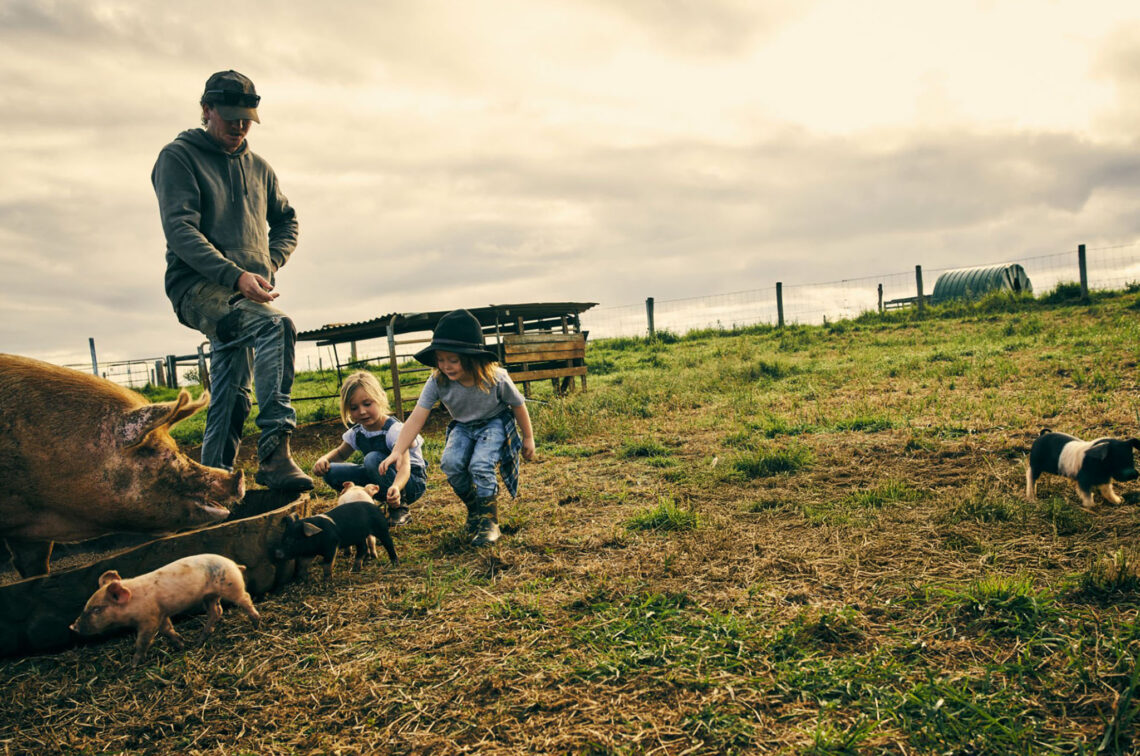
Hay Quality Check: Avoiding Mold and Loss in Subzero Storage
Storing hay through the winter may seem easy—bales stacked, barn doors closed, temperatures freezing—but subzero weather brings its own set of challenges. Many ranchers assume the cold naturally preserves hay, yet winter storage mistakes can still lead to mold growth, nutrient loss, and wasted feed long before spring arrives.
Keeping hay safe in freezing conditions takes strategy, routine inspection, and an understanding of how cold weather interacts with moisture, airflow, and bale composition. By taking the right steps early, cattle producers can reduce spoilage, protect feed value, and ensure their herd gets clean, nutrient-rich forage all winter long.
Why Hay Still Spoils in Subzero Temperatures
It’s a common misconception that freezing temperatures eliminate mold risk. While cold slows microbial activity, it does not kill mold spores or stop them from activating whenever moisture conditions allow.
Even in winter, hay can spoil due to:
- Warm pockets inside dense bales
- Moisture wicking from the ground or roof
- Temperature fluctuations that cause condensation
- Snow melt leaking into storage areas
Subzero weather reduces—but does not eliminate—the threat. The key is controlling moisture, airflow, and storage conditions.
1. Start With a Proper Bale: Quality In, Quality Out
Good winter storage begins long before the first freeze. Hay baled too wet or improperly cured is nearly impossible to preserve.
Ideal moisture levels for safe storage:
- Small square bales: 18% or lower
- Large round bales: 15%–18%
- Large square bales: 12%–16%
Even in winter, bales with internal moisture above 20% can heat, sweat, and grow mold from the inside out.
If you’re storing purchased hay, always check:
- Bale weight (overly heavy often means overly wet)
- Uneven coloration
- Moist or warm spots
- Musty smell
A few minutes of inspection can prevent months of trouble.
2. Protect Hay From Ground Moisture First
In subzero weather, the greatest threat comes from ground moisture and ice creep, not the air temperature. Frozen ground still transfers water upward into bales, causing the bottom layers to rot.
Best ways to prevent ground wicking:
- Store hay on pallets
- Use a gravel pad to raise the storage area
- Lay down timbers or old telephone poles
- Install a breathable barrier (shade cloth or landscape fabric)
- Avoid direct contact with soil or concrete
Even a 2–6 inch elevation dramatically reduces moisture absorption.
3. Keep Bales Properly Covered—But Let Them Breathe
A fully sealed plastic tarp may seem like the ultimate winter protection, but in freezing weather, sealed coverings trap condensation and increase mold risk.
Best winter covering options include:
- Hay tarps with built-in air vents
- UV-resistant breathable covers
- Open-sided pole barns
- Three-sided sheds facing away from prevailing wind
If you must use a traditional tarp, secure it tightly but leave space for airflow along the bottom edges.
Ventilation matters—even in subzero temperatures.
4. Watch for Condensation From Temperature Swings
Winter often brings freeze–thaw cycles. When daytime highs push above freezing and nights plunge back down, moisture condenses on bale surfaces and storage roofs.
Signs of condensation damage:
- Ice forming on outer layers of bales
- Drip lines on the tops of stacked bales
- Soft, darkened patches
- Frost inside barns
Proper ventilation and air space between stacks help prevent these issues.
5. Stack Bales Correctly for Maximum Airflow
Tight stacking saves space but restricts airflow, trapping moisture and increasing mold risks.
Smart winter stacking strategies:
- Leave 4–6 inches of space between rows
- Crisscross layers for better air circulation
- Keep bales at least 18 inches away from walls
- Avoid stacking too high in low-ceiling barns
Round bales should be stored with their flat ends facing east–west so rain or snow slides off more effectively.
6. Regularly Inspect Bales Through the Winter
Even perfectly stored hay can develop problems. Routine checks are the best line of defense.
What to look for every 2–3 weeks:
- Mold spores or dusty residue
- Musty or sour smell
- Dampness or unexpected warmth inside bales
- Signs of rodents
- Ice buildup on bale surfaces
- Spoilage on bottom layers
Catch issues early and remove affected bales before they contaminate others.
7. Remove Snow Promptly Around the Storage Area
Snow packed around bales melts into moisture that later seeps into the stack. Even when temperatures remain below freezing, wind-blown snow can settle, melt slightly against warm barn walls, then refreeze inside bales.
To prevent this:
- Clear snow away from the perimeter
- Maintain drainage around the storage facility
- Keep bales at least a few feet from roof drip lines
Good snow management often means better hay preservation.
8. Test Nutrient Levels Mid-Winter
Cold weather won’t destroy nutrients, but mold growth and moisture damage will.
Producers should consider sending hay samples for:
- Protein analysis
- Fiber levels (ADF/NDF)
- Moisture content
- Relative Feed Value (RFV)
Unexpected nutrient drop-offs are often early signs of storage issues.
9. Rotate and Feed the Vulnerable Bales First
Even in subzero conditions, some bales are more at risk:
- Bales on the bottom row
- Outer-row bales exposed to wind and snow
- Any bale near a roof drip point
- Bales wrapped or tarped tightly
Feed these sooner rather than later. Leaving higher-risk bales until late winter often results in unnecessary waste.
10. Know When Hay Should Be Discarded
Hay that’s visibly moldy, wet, or fermented can harm livestock—especially pregnant cows or young calves.
Do not feed hay that:
- Smells sour or musty
- Has grey, black, or white mold patches
- Is hot inside
- Feels slimy or damp
- Causes animals to cough while eating
In severe mold cases, hay can produce mycotoxins, which compromise immunity and cause reproductive problems.
When in doubt, throw it out.
Final Thoughts
Subzero weather doesn’t guarantee safe hay—it simply changes the type of risks you’re dealing with. Winter storage success comes down to one principle: moisture control. By elevating bales, allowing proper ventilation, managing snow, inspecting regularly, and feeding vulnerable bales first, ranchers can protect their investment and ensure high-quality forage through the entire cold season.


You May Also Like
The Anatomy of a Trudave Rain Boot: What Every Part Does, and Why It Matters for Your Comfort
Beyond the Boot — How Trudave Gear Built a Complete Rain Boot System, and Why the Little Details Make the Biggest Difference