Winter Composting: Turning Cold Weather Into Nutrient Gold for Spring Gardens
Many gardeners think that composting comes to a halt once the temperature drops and winter sets in. However, winter can be one of the most productive times to prepare nutrient-rich compost for your spring garden—if done correctly. With some planning and smart management, your cold-season compost can become a powerhouse of fertility, ready to boost your soil and plants as soon as the thaw arrives.
Why Winter Composting Matters
Even in cold weather, organic materials continue to decompose, albeit more slowly. Winter composting allows gardeners to:
- Maintain a Continuous Cycle
By layering and insulating compost piles, decomposition continues during winter months, reducing the spring workload. - Create Nutrient-Dense Soil
Cold-weather compost tends to preserve nitrogen, crucial for leafy green growth, and retain beneficial microbes that kickstart spring soil health. - Recycle Yard and Kitchen Waste
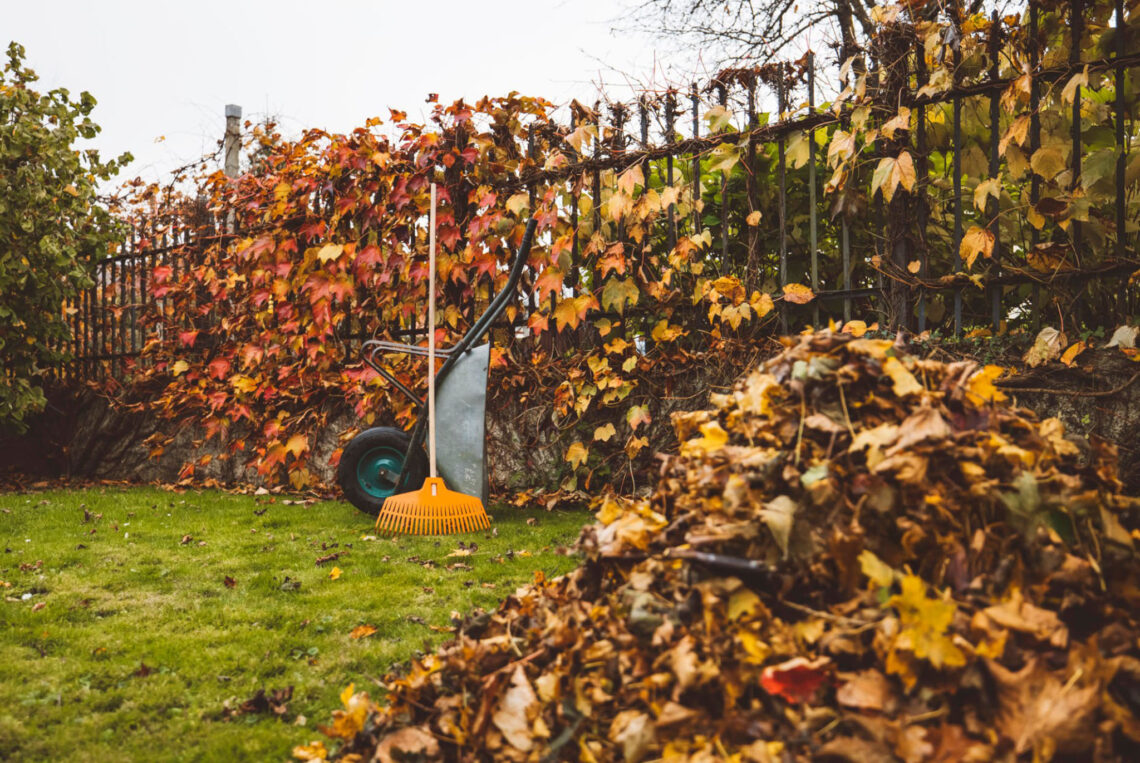
Leaves, vegetable scraps, and other organic matter that would otherwise pile up can be transformed into valuable soil amendments.
Choosing the Right Winter Compost Method
Different composting strategies work best in winter depending on your climate and available space.
1. Traditional Outdoor Compost Pile
- Insulation is Key: Cover piles with straw, leaves, or a tarp to trap heat.
- Pile Size: Larger piles (at least 3 feet high and wide) retain more heat naturally.
- Layering: Alternate green materials (kitchen scraps, fresh grass clippings) with browns (dried leaves, straw) to maintain balance.
2. Cold Composting
- In extremely cold climates, decomposition may slow dramatically, but layering and turning periodically still produces nutrient-rich compost by spring.
- Even if microbes are sluggish, the materials remain ready to break down rapidly once temperatures rise.
3. Indoor or Enclosed Composting
- Compost Bins or worm bins indoors maintain warmth, accelerating decomposition.
- Vermicomposting (worm composting) works well if you have kitchen scraps and limited outdoor space.
- Indoor composting avoids issues like snow cover or frozen piles.
Materials That Work Best in Winter
- Greens (Nitrogen-Rich): Fruit and vegetable scraps, coffee grounds, grass clippings.
- Browns (Carbon-Rich): Dried leaves, straw, shredded newspaper, sawdust.
- Tips: Avoid large woody branches in winter; they break down slowly and can cool the pile excessively.
Winter Composting Tips for Success
- Turn Less Frequently
In freezing conditions, turning too often loses heat. Once every few weeks is usually sufficient. - Add Water Sparingly
Moisture helps microbes, but too much water in freezing temperatures can freeze the pile. - Use a Compost Thermometer
Monitoring internal temperature helps ensure decomposition continues and alerts you if the pile needs insulation. - Chop or Shred Materials
Smaller pieces decompose faster, which is especially important during slow winter months.
Preparing for Spring
By the time early spring arrives, a well-managed winter compost pile can provide:
- Rich, dark soil with balanced nutrients
- Improved soil structure and moisture retention
- A boost for early-season planting, including greens, herbs, and vegetables
Gardeners can spread the compost directly onto garden beds or use it as a top-dressing to improve fertility before planting.
Conclusion
Winter doesn’t mean the end of composting—it’s an opportunity to prepare for a lush, productive spring garden. By understanding how to layer, insulate, and manage materials in cold weather, you can turn otherwise dormant months into a period of soil-building productivity. With proper winter composting techniques, you’re not just recycling waste—you’re creating nutrient gold that will give your garden a head start when spring arrives.


You May Also Like

Best Boots for Maple Syrup Farm Work: Waterproof Footwear for Snow, Mud, Slopes, and Sap Collection
Best Boots for Wet Concrete Floors: Waterproof Footwear for Washdown Areas, Farms, Packing Rooms, and Long Shifts