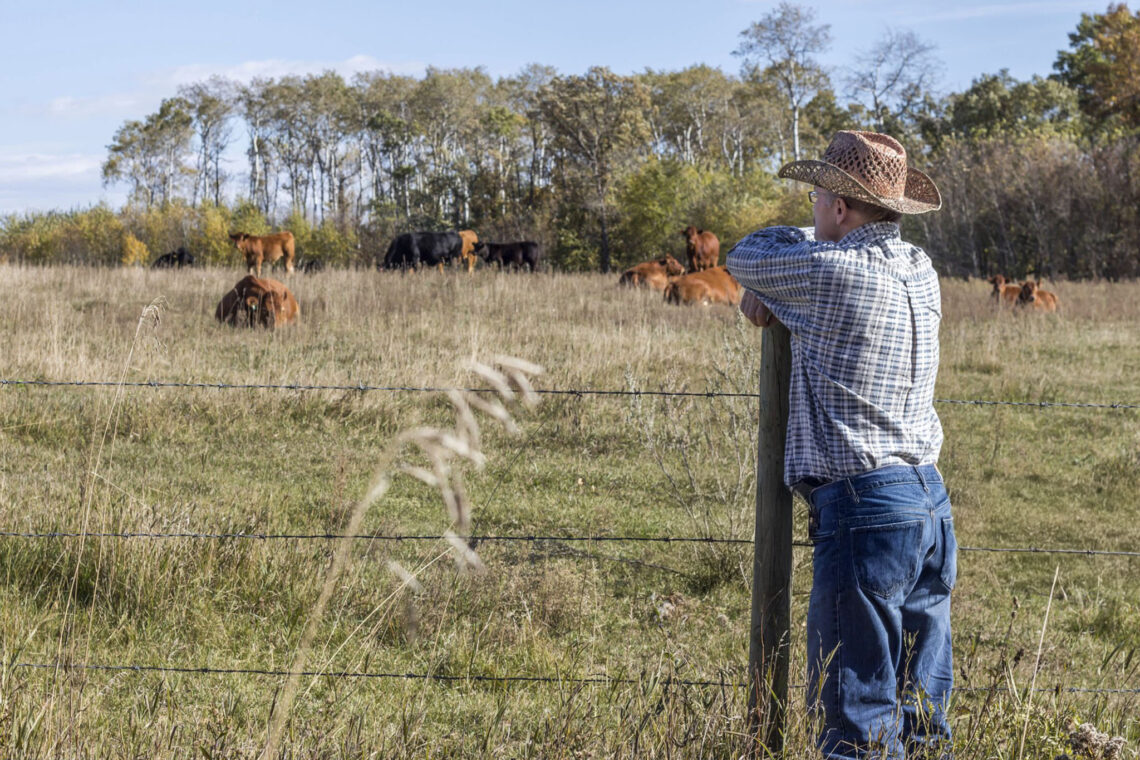
How January Ground Conditions Change Lying Time and Rest Quality
In January, rest becomes a management issue—whether ranchers realize it or not. While feed, weather, and shelter usually get the attention, ground conditions quietly determine how well cattle actually rest. And rest quality, more than most producers expect, directly affects body condition, soundness, and late-winter performance.
Cattle don’t need perfect conditions to lie down—but they do need acceptable ones. When January ground fails that test, lying time drops fast.
Why Lying Time Matters More in Midwinter
Cattle naturally spend 10 to 14 hours per day lying down under comfortable conditions. That rest supports:
- Muscle recovery
- Hoof health
- Rumen efficiency
- Energy conservation
In January, when maintenance energy demands are already high, lost rest amplifies every other stressor.
Less lying time doesn’t just mean tired cattle—it means inefficient cattle.
January Ground Isn’t Just Frozen—It’s Variable
The biggest challenge with January footing is inconsistency.
Ground may be:
- Frozen overnight
- Thawed at the surface by midday sun
- Refrozen unevenly by evening
This constant freeze–thaw cycle creates conditions that look solid but feel unstable to cattle.
How Cattle Judge Whether Ground Is “Lie-Worthy”
Cattle make fast, instinctive decisions before lying down. They assess:
- Surface firmness
- Moisture at contact points
- Thermal comfort
- Stability when shifting weight
If any one of those feels wrong, cattle choose to remain standing—even if they’re tired.
Frozen Isn’t Always Better Than Mud
Producers often assume frozen ground improves rest. In reality:
- Hard, uneven freeze creates pressure points
- Sharp ridges from hoof traffic cause discomfort
- Refrozen manure packs become slick and unstable
Cattle may lie less on frozen lots than on slightly soft—but dry—surfaces.
The Cost of Reduced Lying Time
When cattle don’t rest enough, problems compound quietly:
- Increased standing time raises hoof wear
- Blood flow to feet decreases
- Joint stiffness increases
- Energy use climbs
None of this shows up immediately—but it shows up by late winter.
January Ground Moisture Is the Real Enemy
Moisture trapped beneath frozen surfaces is especially problematic.
Signs include:
- Damp hair along brisket and flanks
- Animals rising frequently after lying down
- Preference for standing in high-traffic areas
Moisture pulls heat from the body and makes resting uncomfortable, even when air temperatures aren’t extreme.
Uneven Surfaces Shorten Rest Sessions
Cattle may still lie down—but for shorter periods.
This often looks like:
- Frequent up-and-down movement
- Incomplete rest cycles
- Animals bedding, then standing again within minutes
These interrupted rest patterns reduce recovery even if total lying time appears adequate at a glance.
How Slope and Drainage Affect January Rest
Even minor slope matters more in winter.
Poor drainage causes:
- Ice lenses under bedding
- Slick downhill movement
- Increased effort when rising
Cattle prefer flat, well-drained areas for rest. When those disappear, lying time follows.
Traffic Patterns Predict Rest Problems Early
Where cattle walk tells you where they won’t rest.
Watch for:
- Narrowed travel lanes
- Avoidance of central lot areas
- Heavy use of fence lines or windward edges
These patterns often appear days before rest loss becomes obvious.
Bedding Only Works When Ground Supports It
Adding bedding doesn’t always fix rest issues.
If underlying ground is:
- Frozen unevenly
- Saturated
- Sloped poorly
Bedding compresses quickly and loses insulation. Cattle sense this immediately and stop using it.
Rest Quality Affects More Than Comfort
Poor rest in January affects:
- Late-winter weight maintenance
- Hoof integrity heading into thaw
- Willingness to travel for feed and water
- Early spring soundness
These impacts don’t show up as dramatic failures—but they reduce overall performance.
Younger and Heavier Cattle Are Affected Differently
- Younger cattle avoid unstable footing and stand longer
- Heavier cattle struggle more with rising and lying on hard surfaces
Both groups lose rest—but for different reasons.
The Snow Factor: Thin Is Worse Than Deep
Surprisingly, thin snow often reduces rest more than deep snow.
Thin snow:
- Melts into surface moisture
- Refreezes into slick crusts
- Fails to insulate
Deep, dry snow can actually improve comfort if it remains loose and clean.
Reading January Ground Conditions Day to Day
The best indicator isn’t temperature—it’s behavior.
Pay attention to:
- How quickly cattle lie down after feeding
- Whether they choose the same resting spots daily
- How often animals reposition while resting
Changes here usually trace back to footing, not feed.
Small Adjustments Prevent Big Problems
Improving rest doesn’t require major changes:
- Redirect traffic away from bedding areas
- Improve drainage where possible
- Break up frozen ridges mechanically
- Adjust bedding placement instead of volume
Timing matters more than scale.
Why Rest Issues Often Get Blamed on Weather
Cold is visible. Poor ground isn’t.
Many January performance dips get blamed on:
- Temperature
- Wind
- “Hard winters”
In reality, ground-driven rest loss is often the real cause.
Final Thoughts
January ground conditions quietly control how well cattle rest—and rest quality shapes everything that follows. When lying time drops, efficiency drops with it, long before obvious signs appear.
Ranchers who read ground conditions as closely as weather forecasts catch problems earlier, spend less fixing them later, and enter spring with cattle that are sound, settled, and ready to perform.
In midwinter, the ground underfoot matters as much as anything falling from the sky.


You May Also Like
Shelter Smart: Building Windbreaks and Barn Setups That Beat the Cold

How to Build a Heat-Resilient Garden That Keeps Producing All Summer