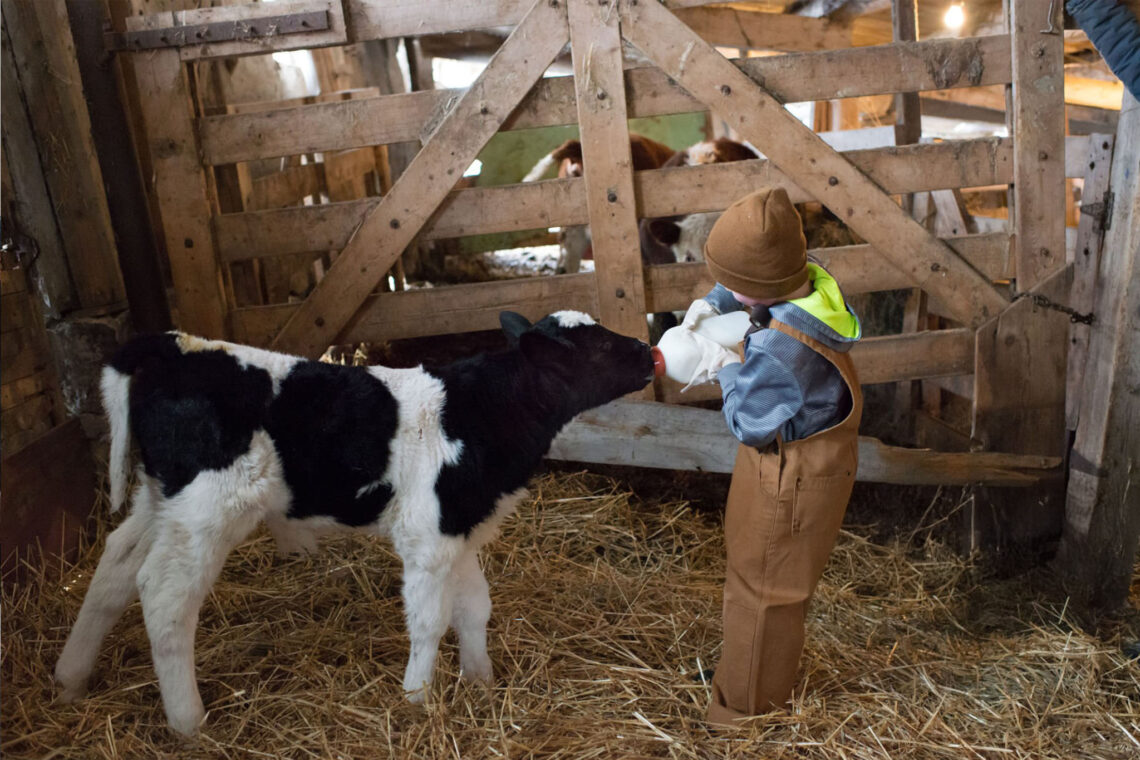
Mid-Winter Bedding Mistakes That Quietly Stress Livestock
Bedding is one of those winter chores most ranchers feel confident about. Straw goes down, cattle lie on it, job done. But in mid-winter, bedding mistakes don’t usually cause obvious problems—they cause quiet, cumulative stress that shows up weeks later as lost condition, sore feet, reduced intake, or slower recovery heading into spring.
The tricky part? Most of these mistakes look harmless on the surface.
Bedding Isn’t Just About Warmth
By January and February, bedding serves three critical functions:
- Insulation from cold ground
- Moisture control
- Stability for lying and rising
When bedding only solves one of these, cattle pay the price.
Warm but wet bedding is still stressful. Dry but unstable bedding is no better.
Mistake #1: Adding Bedding Without Fixing the Base
One of the most common mid-winter errors is layering fresh bedding over a bad foundation.
If the underlying surface is:
- Frozen unevenly
- Saturated
- Rutted from traffic
New bedding compresses fast and loses effectiveness within hours.
Cattle sense what’s underneath. If the base feels unstable or cold, they shorten rest time—even if the surface looks clean.
Why Cattle Abandon “Good-Looking” Bedding
Producers often ask why cattle avoid areas that appear well bedded.
The answer is usually:
- Cold seeping up from below
- Moisture trapped under the pack
- Uneven compression that shifts when animals lie down
Cattle don’t need perfect bedding—but they won’t tolerate deceptive comfort.
Mistake #2: Over-Bedding High-Traffic Areas
Bedding feed alleys and water approaches seems logical—but it often backfires.
High traffic:
- Grinds bedding into the ground
- Traps moisture
- Creates slick, compacted layers
This results in worse footing and poorer rest, not better conditions.
Bedding works best where cattle choose to lie—not where they have to walk.
Mistake #3: Bedding Too Frequently Without Removal
Adding bedding too often without removing old layers creates a hidden problem:
- Heat builds inside the pack
- Moisture condenses
- Bacterial activity increases
Even in cold weather, deep packs can become biologically active. Cattle respond by standing more and lying less—often without obvious signs.
Bedding That Looks Dry Isn’t Always Dry
Surface dryness can be misleading.
Warning signs of moisture below the surface:
- Steam rising on cold mornings
- Darkened straw beneath the top layer
- Cattle shifting positions repeatedly while lying
Moisture conducts cold. Even slight dampness increases heat loss and stress.
Mistake #4: Ignoring Bedding Depth Consistency
Uneven bedding depth causes uneven pressure on joints and hooves.
This leads to:
- Shortened rest bouts
- Hesitation before lying down
- Increased effort to rise
Over time, cattle associate discomfort with certain areas and avoid them entirely.
Why Rising and Lying Matter More Than Lying Alone
Stress isn’t just about time spent lying—it’s about how easy it is to get there.
Hard, compacted, or unstable bedding makes the act of rising and lying:
- More energy-intensive
- Riskier on frozen joints
- Painful for heavier cattle
These small discomforts accumulate into real stress.
Mistake #5: Using the Wrong Bedding Material Mid-Winter
Not all bedding performs the same in January.
Common issues include:
- Fine materials that compact too tightly
- Short straw that loses loft quickly
- Organic mixes that retain moisture
The best mid-winter bedding holds air, sheds moisture, and resists compaction.
Bedding Placement Matters More Than Volume
More bedding doesn’t fix poor placement.
Cattle prefer bedding that:
- Is slightly elevated
- Drains naturally
- Sits out of direct wind
Bedding placed in low spots or wind tunnels rarely gets used, no matter how much is added.
The Social Side of Bedding Stress
Poor bedding affects herd behavior.
Watch for:
- Dominant animals monopolizing limited good spots
- Subordinate cattle standing longer
- Increased movement and agitation
This social pressure raises stress even for animals that appear physically fine.
Bedding and Feed Efficiency Are Linked
Cattle that rest poorly:
- Burn more energy standing
- Digest feed less efficiently
- Show weaker late-winter weight retention
Feed programs often get blamed, when bedding is the real issue.
Mistake #6: Assuming Cold Equals Clean
Cold weather slows visible mess—but it doesn’t stop moisture movement.
Snow melt, condensation, and animal heat still create wet layers beneath bedding. Ignoring this leads to slow but steady stress buildup.
Signs Bedding Is Becoming a Stressor
Look beyond cleanliness.
Early warning signs include:
- Cattle lying down later after feeding
- Frequent repositioning
- Preference for fence lines or odd corners
- Short, interrupted rest periods
These behaviors show discomfort long before condition loss.
Simple Mid-Winter Adjustments That Work
You don’t need a full reset:
- Strip and refresh small sections at a time
- Improve drainage before adding bedding
- Shift bedding areas periodically
- Break compacted layers mechanically
Small corrections prevent big stress.
Why Bedding Problems Show Up Late
Most bedding mistakes don’t cause immediate failure.
They show up as:
- Slower gains
- More foot issues
- Poor spring recovery
- “Unthrifty” appearance
By then, the cause is weeks old.
Final Thoughts
Mid-winter bedding mistakes rarely look dramatic—but they quietly tax livestock day after day. Stress accumulates through lost rest, cold conduction, and instability long before obvious signs appear.
The best winter bedding programs aren’t about how much material you use—they’re about how cattle experience it. When bedding truly supports rest, cattle conserve energy, stay sound, and come out of winter ready instead of depleted.
In January and February, comfort isn’t optional—it’s cumulative.


You May Also Like
Why Your Garden Is Growing Fast but Not Developing Strong Plants

The Hidden Impact of Soil Temperature on Summer Plant Performance