Managing Hay Inventory When Winter Feeds Are Still Critical
Winter is far from over, and for many ranchers, hay remains the lifeline keeping livestock healthy and productive. Properly managing hay inventory during the critical feeding months isn’t just about ensuring enough feed—it’s about efficiency, waste reduction, and maintaining livestock condition until pastures begin to recover.
A strategic approach to hay inventory can prevent shortages, minimize overfeeding, and support your ranch’s long-term profitability.
1. Assess Your Current Inventory Accurately
The first step in managing hay during critical winter months is a full inventory check:
- Count all bales by type, weight, and quality. Different livestock have different nutritional needs, and mixing hay types can impact herd health.
- Evaluate storage conditions. Bales exposed to moisture, snow, or rodents may be partially spoiled and should be adjusted in inventory calculations.
- Record everything. Keeping accurate records helps anticipate when supplemental feed will be needed, avoiding last-minute shortages.
2. Prioritize Feeding Based on Livestock Needs
Not all livestock should be fed equally during the deep freeze:
- Lactating cows, young calves, or breeding stock often require higher-quality hay to maintain weight and productivity.
- Mature or non-lactating animals may receive lower-quality hay if available, allowing higher-quality feed to go where it counts most.
- Adjusting feeding priorities helps stretch limited hay supplies further without compromising herd health.
3. Implement Controlled Feeding Practices
Feeding management can drastically reduce waste:
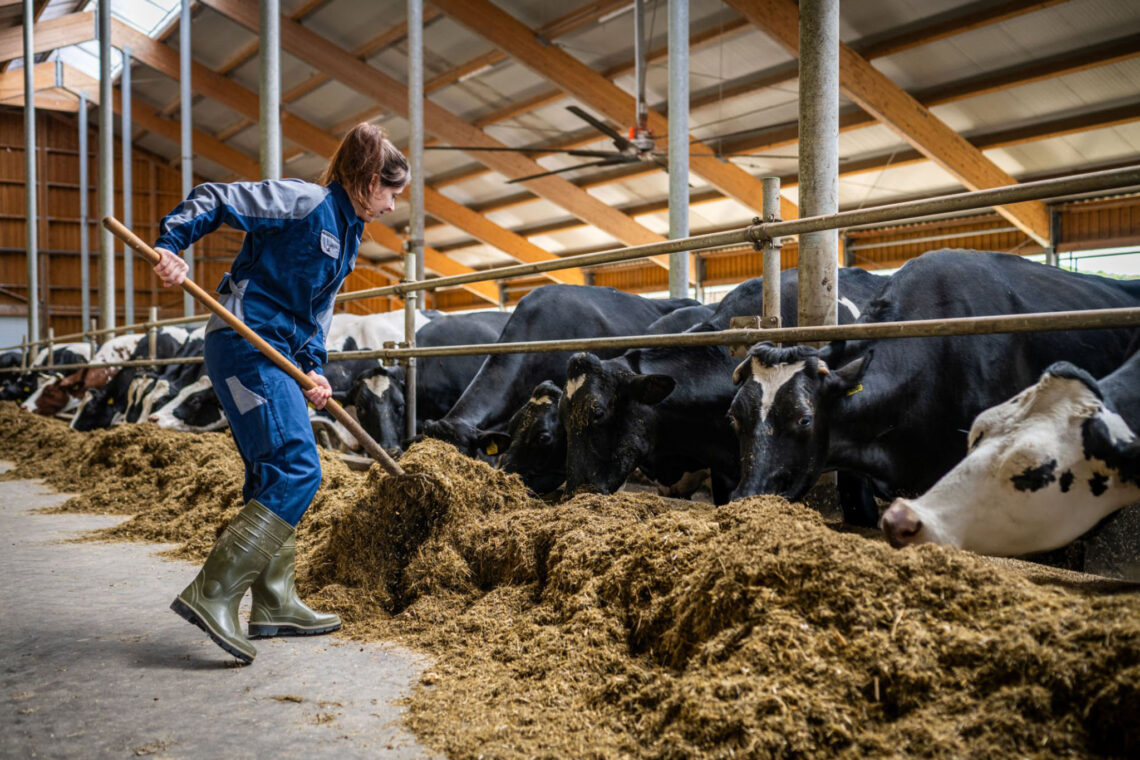
- Use bunk feeders, hay rings, or racks to keep bales off the ground, preventing trampling and spoilage.
- Measure daily rations instead of free-feeding large amounts, which encourages selective grazing and reduces leftover hay.
- Rotate hay sources if possible, so older bales are consumed first, preventing quality loss over time.
4. Monitor Consumption and Adjust Accordingly
Livestock feeding patterns often shift during prolonged cold:
- Cold temperatures can increase intake slightly, but overfeeding can lead to wasted hay if livestock leave uneaten portions behind.
- Keep track of daily consumption rates and adjust rations to reflect herd size, activity, and weather conditions.
- Observing livestock behavior, such as pawing or leaving hay, can indicate whether portions are too large or hay quality needs reassessment.
5. Plan for Supplemental Feed Needs
Even with careful inventory management, winter may necessitate additional feed sources:
- Stock up on high-energy supplements or grains for periods of extreme cold, snow cover, or frozen pastures.
- Maintain a buffer of emergency hay, typically 5–10% of total herd requirements, to cover unforeseen shortages.
- Early planning ensures consistent nutrition without resorting to expensive or last-minute purchases.
6. Optimize Storage to Extend Longevity
Hay storage plays a critical role in maintaining feed quality:
- Keep bales dry, elevated, and covered. Moisture leads to mold growth, nutritional loss, and livestock health risks.
- Use tarps or enclosed sheds, and avoid storing hay directly on soil, especially in muddy winter lots.
- Proper storage can extend usable hay life, giving ranchers more flexibility in rotating pastures and planning spring feeding schedules.
7. Use Inventory Insights for Early Spring Planning
How you manage hay during winter sets the stage for spring:
- Data collected on hay usage, waste, and herd needs allows for more accurate planning when green grass returns.
- Understanding inventory trends helps determine how long supplemental feeding may be necessary, preventing over-reliance on stored feed.
- Efficient winter management can reduce costs and improve pasture recovery by avoiding overgrazing before grass is ready.
8. Key Takeaways for Winter Hay Management
- Track inventory carefully: Know exactly how much hay is available and its quality.
- Feed strategically: Match hay quality to livestock needs and prioritize high-value animals.
- Minimize waste: Use feeders, controlled rations, and proper storage.
- Plan for the unexpected: Maintain a buffer for extreme cold or snow-covered pastures.
- Use insights for future planning: Winter management informs early spring pasture decisions and herd nutrition planning.
Final Thoughts
Managing hay during critical winter months isn’t just about supply—it’s about precision, observation, and proactive planning. By understanding herd needs, controlling waste, and monitoring inventory closely, ranchers can ensure livestock remain healthy, pastures recover properly, and the ranch stays productive and profitable through the remainder of winter and into spring.


You May Also Like

Best Boots for Dairy Farm Work: A Practical Guide for Wet Barns and Long Shifts

How to Grow More Food in Less Space: Smart Layout Tricks Every Gardener Should Steal