How Subtle Pen Traffic Changes Predict Spring Foot Rot Issues
For ranchers, foot rot is one of the most common and costly livestock health problems, particularly as winter transitions into spring. While it often seems to appear suddenly, the early warning signs are frequently subtle—and they start long before snow melts or pastures become muddy. One of the most overlooked indicators? Changes in pen traffic and cattle movement patterns during late winter and early spring.
By understanding how subtle alterations in herd behavior foreshadow foot rot, ranchers can take preventative measures, protect livestock health, and minimize treatment costs.
1. Recognizing Subtle Traffic Shifts
Even before foot rot becomes visible, cattle behavior often changes in ways that can alert a careful observer:
- Avoidance of certain pen areas: Animals may start circling around a mud patch, icy spot, or uneven surface, even if the discomfort is minor.
- Slower movement near water or feed bunks: A slight limp or hesitation may indicate early hoof irritation.
- Shifts in lying locations: Animals might lie down in cleaner, drier spots, leaving previously favored areas untouched.
These subtle shifts in pen traffic often precede more noticeable lameness and clinical foot rot, offering a crucial window for intervention.
2. Wet, Compacted Ground Accelerates Problems
Late winter pen conditions create an ideal environment for foot rot:
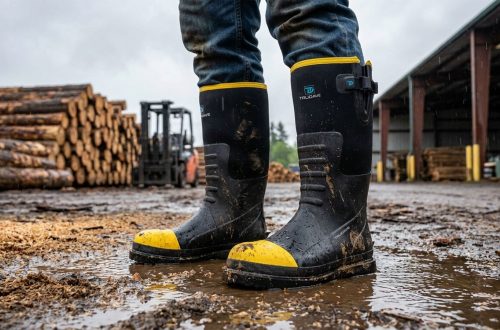
- Snowmelt combined with livestock movement creates soft, saturated ground in feeding and resting areas.
- Compacted mud traps bacteria, including Fusobacterium necrophorum, which is the primary cause of foot rot in cattle.
- Even minor changes in pen traffic—where animals concentrate on slightly drier paths—can reveal spots of high infection risk.
Observing these patterns allows ranchers to address problem areas before widespread infection occurs.
3. Early Detection Through Observation
Tracking pen traffic doesn’t require sophisticated tools:
- Visual monitoring: Regularly watch your herd during feeding, watering, and resting periods. Note any changes in preferred paths or lying locations.
- Footpath tracking: Muddy pens naturally record footprints. Areas with reduced or abnormal traffic often indicate hoof discomfort.
- Behavioral logs: Keep notes of minor limps, hesitations, or postural changes, even if they seem insignificant.
Early detection gives ranchers time to isolate affected animals and treat before foot rot spreads.
4. Proactive Pen Management
Once subtle traffic changes are noticed, ranchers can take preventive steps:
- Improve drainage in high-traffic zones: Installing gravel, sand, or wood chips near feed and water areas reduces moisture and bacterial growth.
- Rotate animals across pens: Avoid overusing one area, especially if it is prone to pooling water or mud accumulation.
- Provide dry bedding: Fresh straw or shavings encourage animals to lie in cleaner areas, limiting bacterial exposure.
- Clean hooves regularly: Early hoof care prevents minor irritations from developing into full-blown infections.
5. Nutrition and Health Considerations
Foot rot risk isn’t only environmental—nutritional status and immunity matter:
- Cattle with adequate energy and protein intake are better able to fight bacterial infections.
- Supplements that support hoof health, such as biotin, zinc, and copper, can reduce the severity and prevalence of foot rot during wet spring months.
- Monitoring intake and adjusting rations in late winter helps mitigate early stress that can compound hoof problems.
6. Planning Ahead for Spring Recovery
Recognizing pen traffic changes in late winter offers several long-term benefits:
- Reduced treatment costs: Early intervention limits widespread infection.
- Improved herd productivity: Healthier hooves mean better weight gain and pasture utilization once grazing begins.
- Enhanced pasture longevity: Redirecting traffic away from wet, vulnerable areas prevents soil compaction and reduces mud formation.
By incorporating pen traffic monitoring into winter-to-spring management routines, ranchers can gain a predictive edge against foot rot outbreaks.
7. Key Takeaways
- Subtle changes in pen traffic are often the first signs of hoof discomfort before foot rot becomes visible.
- Wet, muddy, and compacted pens accelerate bacterial growth, making observation critical.
- Early detection allows ranchers to implement drainage, bedding, and herd rotation strategies to prevent widespread infection.
- Proper nutrition and hoof care during late winter reduce the risk of spring foot rot.
Final Thoughts
Foot rot may feel inevitable as snow melts and pastures become saturated, but careful observation of subtle pen traffic changes during winter can provide a predictive window. By acting early—improving pen conditions, rotating livestock, and supporting hoof health—ranchers can keep their herds healthy, productive, and ready for spring grazing.


You May Also Like
Frozen Fences and Feeding Routines: Managing a Ranch Through the First Hard Freeze

Fall Fence Fixes: Keeping Your Livestock Safe Through Winter