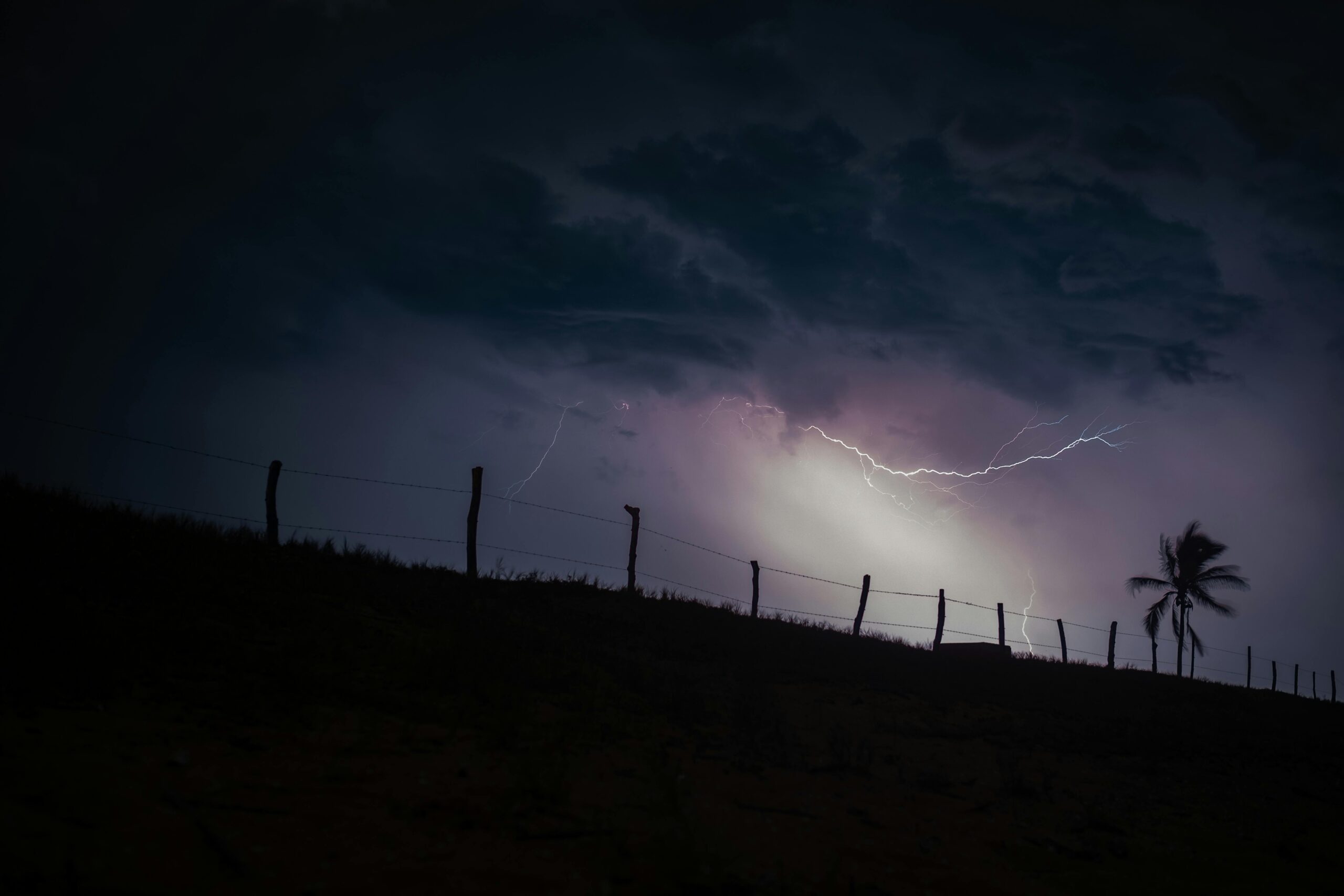
RANCHING IN THE FACE OF EXTREME WEATHER: ADAPTATION AND RESILIENCE
Ranching is an age-old profession rooted in a deep connection to the land, but it’s not without its challenges. While the lifestyle offers freedom, space, and an enduring bond with nature, ranchers also face unpredictable and often harsh weather conditions that can test their resolve, impact their operations, and affect the livelihood of both the land and livestock. From fierce winter storms to blistering summer heatwaves, ranchers must be prepared to weather the storm in more ways than one.
Across the United States, ranchers have developed a variety of strategies to deal with extreme weather. These methods combine generations of practical knowledge with modern tools and technologies to ensure the safety and survival of their cattle, crops, and sometimes even themselves. Here’s an in-depth look at how ranches adapt to the unpredictable forces of nature.
Winter’s Wrath: Protecting Livestock in Freezing Temperatures
Winter can be a beautiful time of year on the ranch, with snow blanketing the landscape and frost-kissed mornings. However, for ranchers, it’s also the season that demands the most attention to detail and preparation. When temperatures plummet, so do the risks for livestock, especially cattle. Prolonged exposure to cold can lead to frostbite, hypothermia, and even death, particularly for younger animals or those not properly prepared for the cold.
One of the first lines of defense is providing adequate shelter. In many cases, ranchers will build or reinforce barns, sheds, or windbreaks to provide cattle with a safe haven from the harsh winds and freezing temperatures. A sturdy shelter is essential, but it must also allow for adequate ventilation to prevent the buildup of moisture, which can lead to pneumonia in cattle. Some ranchers in colder climates, like those in Montana or Wyoming, go a step further by using heated water troughs to ensure that cattle have access to unfrozen drinking water.
During extreme cold, ranchers often employ supplemental feeding techniques to help cattle stay healthy and strong. The nutritional needs of livestock increase in the winter as they burn more energy to stay warm. Ranchers will often provide high-quality forage, like alfalfa hay, or supplement with grain to help maintain body condition and provide extra calories. The goal is to ensure that cattle are strong enough to endure the cold without losing weight or energy.
Ranchers also monitor weather reports constantly, keeping an eye on any incoming storms that could drop snow, ice, or freezing rain. Heavy snow can make it difficult for cattle to move or find food, and ice storms can down power lines, preventing ranchers from accessing their herds or providing necessary care. In these cases, ranchers will often travel by snowmobile or ATV, or even take to horseback to ensure that their animals are fed, watered, and safe.
Summer Heatwaves: Managing Livestock in Extreme Heat
As the calendar flips to summer, the challenges of extreme heat become the focus of ranchers, particularly in the southern and western parts of the country. The intense heat can be just as dangerous as winter cold for livestock, especially cattle, who are prone to heat stress. Temperatures above 85°F (29°C) can significantly impact a cow’s health, causing dehydration, reduced appetite, and even heat stroke.
To combat these risks, many ranchers invest in shade structures—large, open-sided barns or strategically placed trees that provide shelter from the scorching sun. Water becomes a critical issue in the summer months as cattle need to stay hydrated. Ranchers may set up multiple watering stations, ensuring that cattle have access to fresh, cool water at all times. Some ranches even implement automatic watering systems that are designed to stay functional even in the heat, using chilled water to prevent dehydration.
In addition to these basic needs, ranchers also monitor their herds more closely during heatwaves, checking for signs of heat stress such as heavy panting or excessive salivation. If an animal shows symptoms of heat stress, ranchers may remove them from direct sunlight, provide extra water, or even use fans and misters in extreme cases. For cattle being raised for beef, ranchers will often adjust feeding schedules, offering feed during the cooler parts of the day—typically early morning or late evening—to minimize stress during peak heat hours.
For ranchers in areas prone to droughts, managing pastureland becomes another challenge. Without enough rain, forage becomes sparse, and ranchers must supplement with additional feed or look to alternative sources of grazing, such as rented pastures. Drought also poses the risk of dwindling water supplies, which means ranchers may have to drill additional wells, construct water storage systems, or even truck in water to maintain their operations.
Flooding and Storms: Protecting the Ranch from Sudden Deluge
Severe storms and flooding can be some of the most damaging weather events that ranchers face, especially in the Midwest, Southern, and Gulf regions. Heavy rains can flood pastures, wash out fencing, or destroy barns, leaving ranchers scrambling to protect their assets. Floodwaters can also pose an immediate threat to livestock, particularly if they become trapped or separated from the rest of the herd.
Ranchers prepare for the possibility of flooding by reinforcing structures, improving drainage systems, and elevating important equipment or supplies above known flood levels. Properly maintained fencing is also crucial to prevent animals from wandering into floodwaters. Many ranchers will move cattle to higher ground when heavy rains are forecast to ensure they aren’t caught in flood zones.
Tornadoes and hurricanes are also significant risks for ranchers in certain regions. In tornado-prone areas like the Great Plains, ranchers are advised to have safe shelters for both themselves and their animals. This could include storm-proof barns or even reinforced underground shelters. After a storm, the recovery process can be long, as ranchers assess damage to infrastructure, repair fences, and restore their pastures for grazing.
Technology and Innovation: New Tools for Weathering the Storm
In addition to the time-tested methods of ranching, technology has also played a key role in helping ranchers stay ahead of extreme weather. Satellite weather tracking, real-time radar, and specialized apps for farm management allow ranchers to monitor and predict weather patterns with unprecedented accuracy. This helps them plan ahead, whether it’s moving cattle to safety before a storm or adjusting feeding schedules during a heatwave.
Drones are increasingly used to monitor the health of pastures and herds, providing aerial views that can spot areas of concern, such as standing water or areas of poor grazing. GPS collars and RFID tags on livestock allow ranchers to track the location of animals in real-time, which can be especially helpful during storms or other emergencies.
Incorporating regenerative practices into ranching also helps mitigate the impacts of extreme weather. For example, practices like rotational grazing can improve soil health, which helps retain moisture during droughts and provides better pasture conditions during wet periods.
A Way of Life, Weathered with Resilience
Ranching in the face of extreme weather is more than just a matter of survival—it’s about resilience, adaptability, and a deep respect for nature. Ranchers are continuously learning and adapting to new challenges, using their knowledge of the land and the latest tools to navigate unpredictable weather.
For ranchers, every storm, every heatwave, and every freeze is a test of their perseverance. But it’s also a reminder of the enduring relationship between ranchers, the land, and the animals they care for. The ability to overcome these weather challenges is part of what makes ranching not just a job, but a way of life—one that requires strength, ingenuity, and an unwavering commitment to the land.
