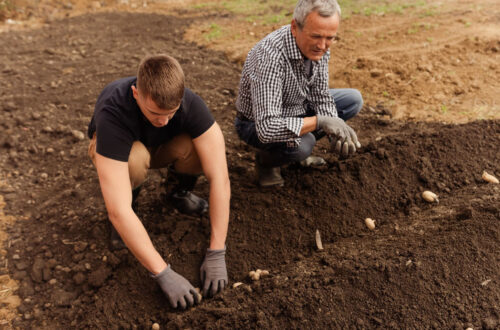
Seasonal Tool Check: What Gardeners Replace Before Spring
As winter fades and early spring approaches, gardeners across the U.S. begin preparing for the new growing season. While soil prep and seed starting are essential, one often overlooked step is checking and updating your garden tools. Properly maintained and upgraded tools not only make gardening more efficient, but also prevent injuries and ensure plants are handled with care. Here’s a comprehensive guide to what gardeners should replace, sharpen, or repair before spring planting begins.
Why a Seasonal Tool Check Matters
- Efficiency: Sharp, well-maintained tools reduce the effort needed for planting, pruning, and weeding.
- Safety: Damaged or worn tools increase the risk of injury.
- Plant health: Clean, rust-free tools prevent the spread of diseases between plants.
- Cost-effectiveness: Replacing worn tools early avoids emergency purchases mid-season.
Spring is the perfect time to inventory, repair, and replace your tools to set yourself up for a smooth gardening season.
Tools to Inspect and Replace
1. Pruning Shears and Loppers
- Check blades: Dull or chipped blades make clean cuts difficult and can damage plant tissue.
- Replace or sharpen: Many gardeners replace old pruning shears with sharper models or sharpen the existing ones.
- Lubricate hinges: A drop of oil ensures smooth operation and prolongs lifespan.
2. Hand Trowels and Garden Forks
- Inspect handles: Wooden handles may crack or splinter after winter. Replace if necessary.
- Check metal parts: Rusted or bent trowels and forks should be replaced or restored.
- Ergonomics: Consider upgrading to ergonomic designs to reduce wrist strain during extended use.
3. Hoes and Rakes
- Blades and tines: Straighten bent tines, remove rust, and sharpen edges for effective weeding.
- Handle stability: Loose or cracked handles need replacement to avoid accidents.
- Material upgrades: Lightweight, durable aluminum or fiberglass handles can improve performance.
4. Watering Equipment
- Hoses: Check for leaks, cracks, or damaged connectors after winter freezing.
- Nozzles and sprinklers: Replace clogged or malfunctioning components for consistent water delivery.
- Watering cans: Inspect for rust or holes, and clean thoroughly before use.
5. Wheelbarrows and Carts
- Tire pressure and wheels: Inflate or replace tires; lubricate wheel bearings.
- Handles and trays: Check for rust, cracks, or bent frames; replace if unsafe.
- Load capacity: Ensure your wheelbarrow or cart can handle heavier spring soil and compost loads.
6. Garden Gloves
- Inspect for wear and tear: Holes or thin spots reduce protection.
- Replace if needed: Durable, waterproof gloves protect hands from soil, thorns, and cold moisture.
Tool Maintenance Tips Before Spring
- Clean everything: Remove dirt, sap, and debris from winter storage.
- Sharpen edges: Knives, shears, hoes, and pruners benefit from a sharp edge for efficiency and clean cuts.
- Oil moving parts: Prevent rust and maintain smooth operation.
- Disinfect cutting tools: Wipe blades with a solution of water and rubbing alcohol to prevent disease transmission.
- Check attachments: Power tools, tillers, and sprayers may need replacement parts or minor repairs.
Upgrading Tools for Better Spring Performance
- Ergonomic handles: Reduce strain during extended gardening sessions.
- Rust-resistant metals: Stainless steel and powder-coated tools last longer.
- Lightweight materials: Fiberglass, aluminum, or carbon-fiber handles improve maneuverability.
- Multi-purpose tools: Combining functions (like a hoe with a cultivator) can save space and time.
Common Mistakes Gardeners Make
- Ignoring winter damage: Rust, cracks, and blunt blades worsen over time and reduce efficiency.
- Postponing cleaning: Dirt and sap left on tools attract moisture, accelerating corrosion.
- Overlooking ergonomics: Using old, uncomfortable tools leads to fatigue and possible injury.
- Not checking water equipment: Leaks and broken nozzles waste water and frustrate early planting efforts.
- Mixing tools between gardens without disinfecting: Spreads pathogens from one bed to another.
Final Thoughts
A thorough seasonal tool check is just as important as soil prep and seed selection in early spring. By inspecting, cleaning, repairing, and replacing your garden tools, you’ll maximize efficiency, enhance safety, and protect plant health. Investing a little time now pays off with smoother gardening, faster planting, and healthier plants throughout the spring and summer.
Remember: a gardener is only as good as the tools they use, and spring is the perfect time to make sure your tools are ready for action.


You May Also Like

Fix It, Don’t Toss It: The Complete Guide to Waterproof Testing, Patching, and Restoring Your Trudave Rain Boots

Early Spring Harvest Planning: What to Plant for Quick Returns