Spring Mulching Strategies to Protect Young Plants
Early spring is a critical period for gardeners and landscapers in the U.S. Young plants, whether seedlings just emerging or perennial shoots breaking through the soil, are highly vulnerable to temperature fluctuations, moisture stress, and weed competition. Mulching is one of the most effective strategies to protect these tender plants while simultaneously improving soil health. In this guide, we’ll explore practical spring mulching strategies that help young plants thrive throughout the season.
Why Mulching Matters in Early Spring
- Temperature regulation: Mulch helps insulate soil, keeping roots warmer during cold snaps.
- Moisture retention: Reduces evaporation and helps maintain consistent soil moisture.
- Weed suppression: Creates a physical barrier, limiting weed growth that competes with seedlings.
- Soil improvement: Organic mulches decompose over time, adding nutrients and enhancing soil structure.
- Erosion control: Protects soil from heavy spring rains and runoff.
Using the right mulch and applying it correctly sets your young plants up for rapid growth and long-term health.
Step 1: Choose the Right Mulch
Organic Mulches
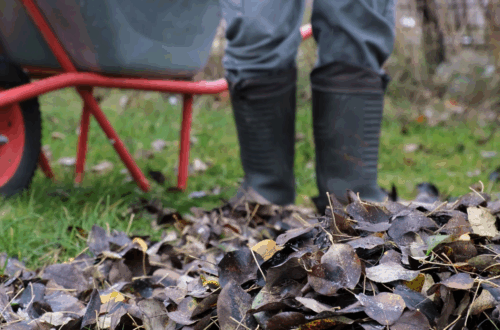
- Shredded leaves: Readily available, decomposes to improve soil fertility.
- Straw or hay: Great for vegetable beds and early seedlings; avoid hay with weed seeds.
- Compost or leaf mold: Provides nutrients while protecting roots.
- Wood chips or bark: Ideal for perennials and shrubs; slower decomposition keeps soil covered longer.
Inorganic Mulches
- Landscape fabric: Helps suppress weeds, but must allow water and air penetration.
- Plastic mulch: Warms soil quickly and retains moisture, commonly used for vegetables.
Pro tip: For young seedlings, organic mulch is often preferred because it enriches the soil while protecting roots.
Step 2: Prepare the Soil
Before mulching, ensure your soil is ready:
- Weed removal: Clear existing weeds to prevent competition.
- Moisture check: Water the soil lightly to ensure it’s damp but not waterlogged.
- Fertilization: Apply slow-release or compost-based fertilizers before mulching, as mulch can slow nutrient penetration if applied too early.
Step 3: Apply Mulch Correctly
- Depth: 2–4 inches is ideal for most organic mulches. Too shallow provides little protection; too thick can smother seedlings.
- Distance from stems: Keep mulch 1–2 inches away from plant crowns or seedling bases to prevent rot and disease.
- Even coverage: Spread mulch evenly, avoiding bare spots that expose soil to temperature swings and weeds.
Step 4: Mulching Around Different Plant Types
Vegetables
- Straw or shredded leaves work well for rows of seedlings.
- Black plastic mulch warms soil for heat-loving crops like tomatoes and peppers.
Perennials
- Wood chips or shredded bark help insulate emerging shoots and protect soil structure.
Fruit Trees and Shrubs
- Apply organic mulch around the drip line, leaving space near the trunk to prevent fungal issues.
Step 5: Maintain Mulch Throughout Spring
- Monitor moisture: Even with mulch, check soil moisture regularly.
- Replenish as needed: Mulch decomposes quickly in early spring; add more to maintain 2–4 inch coverage.
- Watch for pests: Mulch can harbor slugs or rodents; use barriers or predator-friendly traps if necessary.
- Avoid excessive compaction: Lightly fluff mulch occasionally to ensure air and water reach the soil.
Common Mulching Mistakes
- Applying mulch too early: Soil may still be too cold, delaying warming for germination.
- Piling mulch against stems: Can cause rot and invite pests.
- Using weedy hay or leaves: Introduces weed seeds into your beds.
- Too thick or too thin: Improper depth reduces effectiveness for insulation and moisture retention.
- Neglecting inspection: Mulch may shift with wind or rain, leaving seedlings exposed.
Final Thoughts
Spring mulching is more than just a cosmetic garden practice—it’s a vital strategy for protecting young plants, conserving soil moisture, and enriching soil health. By choosing the right mulch, applying it correctly, and maintaining it throughout the season, gardeners can ensure that seedlings, perennials, and young shrubs get a strong start.
Investing time in proper spring mulching means healthier plants, reduced weed pressure, and a more productive garden all season long.


You May Also Like
Best Boots for Sod Farm Work: Waterproof Footwear for Wet Turf, Muddy Fields, Irrigation, and Loading
How to Fix the Most Common Grazing Mistake This Time of Year