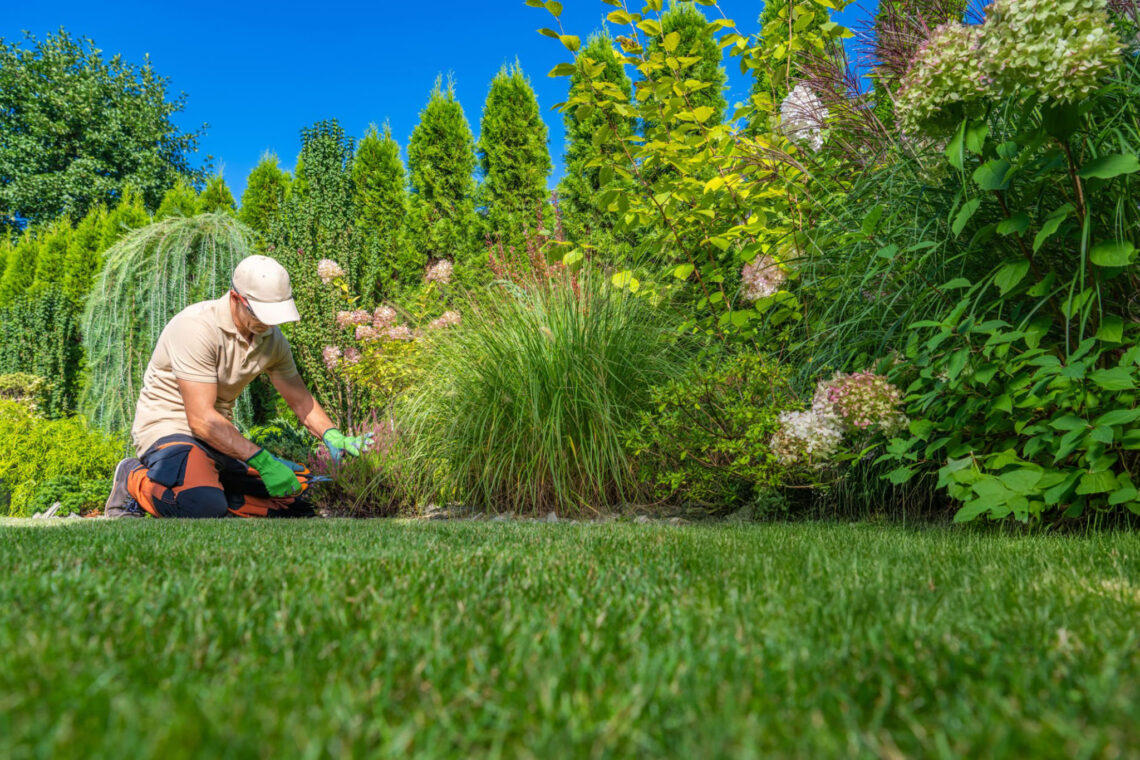
Spring Irrigation Prep: Keeping Soil Moist but Not Waterlogged
Early spring is a pivotal time for gardeners, landscapers, and small-scale farmers in the U.S. After the thaw and early rains, preparing your irrigation system and managing soil moisture can make the difference between a thriving garden and soggy, stressed plants. Proper irrigation prep ensures young seedlings, early perennials, and newly planted vegetables receive consistent water without risking waterlogging—a common issue in spring soils that are slow to drain.
This guide provides practical tips for spring irrigation preparation that balances moisture retention with proper drainage.
Why Spring Irrigation Prep Matters
- Promotes healthy root growth: Young roots need consistent moisture but are vulnerable to suffocation in waterlogged soil.
- Prevents soil erosion: Early spring rains can wash away loose soil; controlled irrigation helps maintain soil structure.
- Supports early-season plant vigor: Proper hydration allows seedlings and bulbs to establish quickly and bloom on schedule.
- Reduces disease risk: Standing water creates ideal conditions for root rot, fungal infections, and mold.
Getting your irrigation system ready and understanding soil behavior in early spring ensures your plants get exactly the right amount of water.
Step 1: Inspect Your Irrigation System
- Check hoses and drip lines: Look for cracks, leaks, or clogged emitters.
- Test timers and controllers: Ensure systems activate at the desired times and durations.
- Flush irrigation lines: Remove debris from drip emitters and sprinklers to maintain even water flow.
- Adjust sprinkler patterns: Prevent oversaturation of low spots and ensure even coverage for beds and lawns.
Tip: Early spring is the perfect time to perform these checks before planting heavy crops or perennials.
Step 2: Assess Soil Moisture and Drainage
- Soil testing: Use a simple soil probe or finger test—if soil feels soggy below the surface, hold off on irrigation.
- Identify low spots: Depressions can collect water and require careful irrigation planning or raised beds.
- Understand soil type:
- Clay soils: Slow drainage, prone to waterlogging; reduce irrigation frequency.
- Sandy soils: Fast drainage, may require more frequent watering but in smaller amounts.
- Loamy soils: Ideal balance but still monitor moisture consistently.
Pro tip: Early spring soils are often saturated from snowmelt or rain. Avoid watering until soil can absorb water without pooling.
Step 3: Set Up Irrigation Schedules
- Light, frequent watering: Encourage roots to grow deeper without oversaturating the surface.
- Morning watering: Allows soil to dry during the day, reducing fungal growth and disease.
- Adjust for weather: Reduce irrigation after rainfall; early spring is often wetter than gardeners anticipate.
- Use timers for precision: Avoid overwatering by setting durations according to soil type and plant needs.
Step 4: Protect Young Plants from Water Stress
- Mulching: Apply 2–3 inches of organic mulch around seedlings and perennials to retain moisture and reduce evaporation.
- Raised beds: Improve drainage for shallow-rooted crops and early spring vegetables.
- Micro-irrigation: Drip lines or soaker hoses deliver water directly to roots without saturating foliage.
Step 5: Monitor and Adjust Throughout Spring
- Check soil weekly: Moisture levels can fluctuate dramatically during early spring.
- Observe plant signs: Wilting may indicate under-watering, while yellowing or root rot may indicate overwatering.
- Modify schedules: Increase or decrease irrigation based on plant growth stages, temperature, and rainfall.
Common Spring Irrigation Mistakes
- Overwatering in early spring: Saturated soil slows growth and promotes disease.
- Ignoring soil type differences: One-size-fits-all watering often damages plants.
- Starting irrigation too early: Snowmelt and early rains often provide sufficient moisture.
- Not inspecting irrigation systems: Leaks or clogged lines can cause uneven watering and water waste.
- Skipping mulch: Exposes soil to rapid drying, forcing unnecessary irrigation.
Final Thoughts
Spring irrigation is a balancing act. By preparing your irrigation system, assessing soil moisture and drainage, setting smart schedules, and monitoring plants carefully, you can keep soil consistently moist without waterlogging.
Proper irrigation prep in early spring ensures strong root systems, healthy plant growth, and a vibrant garden all season long. A little planning now saves time, prevents plant stress, and reduces the risk of costly problems later in the growing season.


You May Also Like
Spring Pasture Recovery: What Most Ranchers Overlook After Winter
Why Garden Preparation Timing Matters More Than Planting Speed