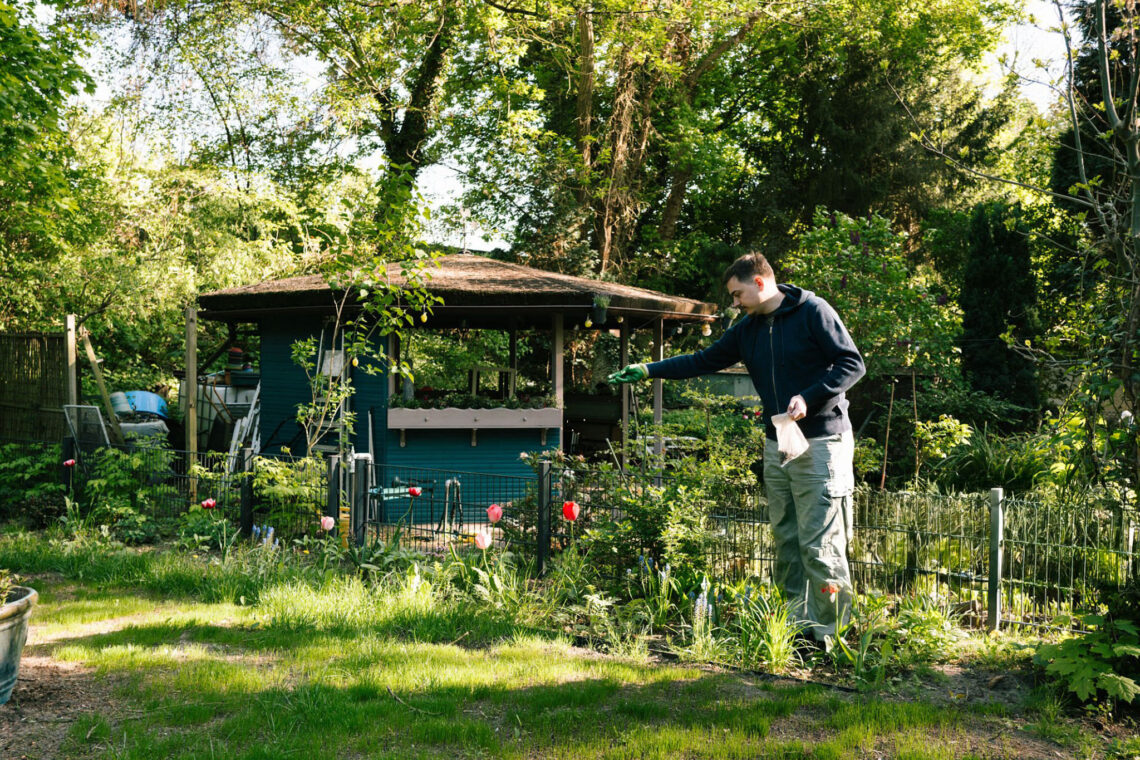
What Gardens Are Doing While the Soil Still Feels Cold
Early spring can be deceiving. The days grow longer, the sun feels stronger, and a few green tips begin to show. Yet when you press your hand into the soil, it’s still cold. Many gardeners assume little is happening underground during this phase.
In reality, this is one of the most important periods of the entire growing season.
While the soil still feels cold to the touch, gardens are quietly reorganizing—laying down the groundwork that determines how plants will grow, resist stress, and produce later in the year.
Soil Doesn’t Wake Up All at Once
Soil warms unevenly. Even within the same garden, temperature varies by:
- Depth
- Moisture level
- Sun exposure
- Soil structure
The surface may warm during the day, but deeper layers stay cold and stable. Plants respond to this layered environment, not just surface conditions.
Roots Are Adjusting Before They Grow
Most plants don’t rush into top growth as soon as winter ends. Instead, they focus on root adjustment.
During this phase, roots:
- Repair winter damage
- Rebalance moisture uptake
- Expand slowly into stable zones
This quiet work prepares plants to support faster growth once conditions improve.
Soil Microbes Are Reactivating in Stages
Beneficial soil organisms don’t disappear in winter—they slow down.
As soil begins to warm:
- Microbial activity increases gradually
- Nutrient cycling resumes in small bursts
- Organic matter starts breaking down again
This process is temperature-dependent and slow, which is why nutrients applied too early often go unused.
Moisture Management Comes First
Cold soil holds water longer. Drainage matters more now than fertility.
Gardens use this period to:
- Release excess winter moisture
- Re-establish air pockets in the soil
- Prevent root stress before growth begins
Soil that stays saturated delays everything that follows.
Plants Are Reading Risk, Not Opportunity
Early spring is a high-risk period for plants.
Instead of chasing growth, plants assess:
- Freeze potential
- Soil stability
- Day-to-night temperature swings
Until the risk drops, most plants remain cautious—even when light levels increase.
Energy Is Being Conserved, Not Spent
Photosynthesis doesn’t automatically mean growth.
Plants may:
- Produce energy without expanding
- Store sugars in roots and crowns
- Maintain tissue rather than create new growth
This conservation phase protects plants from setbacks caused by sudden cold snaps.
Why Fertilizer Often Fails This Early
Cold soil limits nutrient uptake.
Even if nutrients are present:
- Roots absorb them slowly
- Microbial conversion is limited
- Excess nutrients may leach away
This is why feeding too early rarely delivers the expected results.
Perennials Are Rebuilding From the Inside Out
Perennials prioritize structure before appearance.
Below ground, they:
- Strengthen crowns
- Repair root tips
- Allocate energy toward long-term survival
Visible growth is delayed by design, not neglect.
Weeds Notice the Shift First
Cold-tolerant weeds often emerge before cultivated plants.
They succeed because:
- They germinate at lower soil temperatures
- They exploit open soil
- They respond quickly to light
Their appearance signals soil change—but not readiness for everything else.
The Garden Is Synchronizing Its Timing
Different plants respond at different speeds.
Early spring allows the garden to:
- Stagger growth timing
- Reduce competition
- Balance resource use
This natural spacing prevents stress later in the season.
Why Patience Pays Off
Gardeners often feel pressure to act when spring arrives. But early spring is a preparation window, not a planting race.
Allowing the soil to:
- Warm gradually
- Drain properly
- Activate biologically
creates stronger plants, healthier roots, and better yields down the line.
Final Thoughts: Cold Soil Doesn’t Mean Inactive Soil
Just because soil feels cold doesn’t mean the garden is asleep.
Beneath the surface, systems are restarting, risks are being evaluated, and foundations are being rebuilt. The most successful gardens aren’t rushed—they’re allowed to wake up at their own pace.
Understanding what’s happening during this quiet phase helps gardeners make better decisions, avoid early mistakes, and work with the garden instead of against it.
Early spring isn’t about visible growth.
It’s about everything happening before it shows.


You May Also Like

Feeding the Herd: Transitioning Livestock Diets for Cooler Weather

The Nighttime Frost Strategy Gardeners Wish They Learned Sooner