Why Turning Cattle Out Too Early Can Cost You All Season
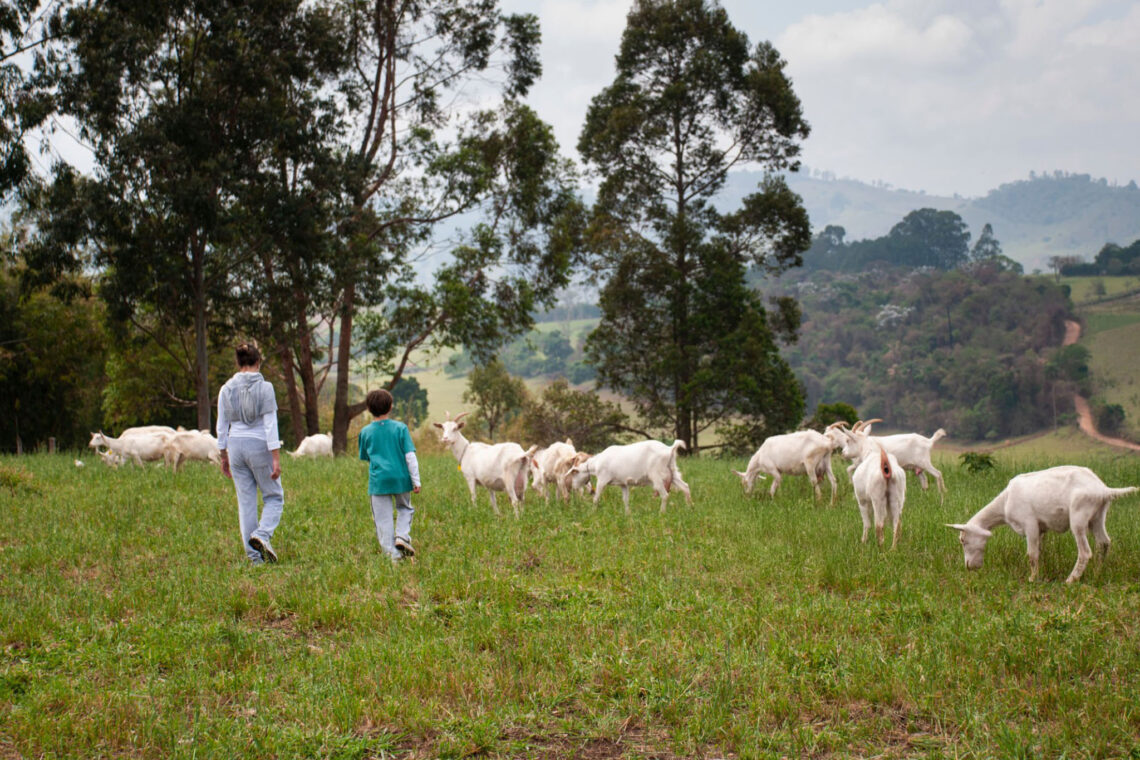
Every spring, the first green shoots bring optimism to ranchers across the United States. After months of feeding hay, hauling water, and managing winter stress, pastures finally begin to show life again. It’s tempting to open the gate and let cattle return to grass as soon as possible.
But turning cattle out too early—before pastures are truly ready—can cause damage that affects forage production, livestock performance, and pasture health for the entire season. What looks like an opportunity to save on feed costs can quietly reduce pasture yield, weaken root systems, and increase long-term management expenses.
Understanding the risks of early turnout is one of the most important decisions in successful pasture management.
Early Green Doesn’t Mean Ready Grazing
One of the most common mistakes ranchers make is assuming that green grass equals grazing readiness.
In early spring, grasses begin producing leaves in response to warmer air temperatures and longer daylight. This process, called green-up, creates the visual signal that pastures are waking up.
However, below the surface, root systems may still be inactive or recovering from winter dormancy.
During this stage:
- Leaf growth begins using stored energy reserves
- Root development remains slow
- Nutrient uptake is limited
- Overall plant strength is still weak
If cattle graze during this vulnerable phase, plants lose critical leaf area needed to rebuild energy reserves.
This weakens the entire plant.
Root Systems Are the Foundation of Seasonal Production
Grass growth depends on a strong root system.
Roots anchor plants, absorb nutrients, and store energy needed for regrowth after grazing.
When cattle graze too early, plants are forced to use stored carbohydrates to regrow leaves before roots have fully recovered.
This causes:
- Reduced root depth
- Slower regrowth after grazing
- Lower drought resistance later in summer
- Reduced total forage yield
Research and field observations consistently show that early grazing weakens pasture productivity for months—not just weeks.
Healthy roots create healthy forage.
Early Grazing Reduces Total Forage Yield
One of the biggest hidden costs of early turnout is reduced seasonal forage production.
Grass needs time in early spring to develop sufficient leaf area for efficient photosynthesis.
This leaf area allows plants to generate energy and build biomass.
When cattle remove leaves too soon:
- Photosynthesis capacity decreases
- Plant growth slows significantly
- Recovery time increases
- Overall seasonal production drops
Even if pastures recover visually, total yield may be permanently reduced.
This leads to less available grazing later in the year.
Soil Compaction Causes Long-Term Damage
Early spring soils are often soft, wet, and vulnerable to compaction.
Cattle hooves exert significant pressure on the ground. When soils are saturated or partially thawed, this pressure compresses soil particles.
Compacted soil reduces:
- Oxygen availability
- Water infiltration
- Root expansion
- Microbial activity
Over time, this creates harder soils that limit plant growth.
Compaction damage can persist for years.
Preventing compaction early is far easier than correcting it later.
Plants Need Time to Rebuild Energy Reserves
During winter, grasses survive on stored carbohydrates within their roots.
Spring growth initially relies on these reserves.
Before grazing, plants must rebuild energy stores to sustain future regrowth cycles.
Early grazing interrupts this process.
Instead of storing energy, plants are forced into survival mode.
This results in:
- Slower regrowth after grazing
- Reduced plant density
- Increased vulnerability to stress
- Greater weed invasion
Strong energy reserves ensure consistent production throughout the grazing season.
Early Turnout Increases Weed Competition
Weak grasses create opportunities for weeds.
When grass growth is suppressed by early grazing, sunlight reaches the soil surface more easily.
This encourages weed germination.
Weeds compete with forage grasses for:
- Nutrients
- Moisture
- Sunlight
- Space
Over time, weed pressure increases and pasture quality declines.
Maintaining strong grass growth early helps suppress weeds naturally.
Livestock May Not Benefit Nutritionally
Early spring grass often contains high moisture content but limited total biomass.
This means cattle may not consume enough dry matter to meet nutritional needs.
Even if grass looks green, it may not provide sufficient energy.
This can result in:
- Weight loss
- Reduced milk production
- Lower reproductive performance
- Increased reliance on supplemental feed
Turning cattle out too early doesn’t always reduce feeding costs—it can increase them indirectly.
Grazing Too Early Disrupts Growth Cycles
Grass grows in stages.
Early spring is a recovery and preparation phase.
Removing leaf material too soon delays progression into strong growth stages.
This leads to uneven pasture development.
Some areas may remain weak throughout the season.
Consistent early management improves uniform pasture performance.
Wet Conditions Increase Physical Damage
Spring often brings rain, melting snow, and thawing soils.
Wet ground increases the risk of:
- Hoof damage
- Soil displacement
- Root exposure
- Mud formation
These conditions stress plants and reduce pasture stability.
Waiting until soil conditions improve protects long-term productivity.
Long-Term Economic Costs Add Up
Turning cattle out early may seem like a way to save money on hay and feed.
But reduced pasture productivity often leads to:
- Increased feed purchases later
- Lower stocking capacity
- Reduced livestock performance
- Greater weed control costs
These hidden costs can exceed the short-term savings.
Good timing protects both pasture health and profitability.
Signs Pasture Is Truly Ready
Instead of relying on appearance alone, look for these indicators:
Grass Height
Most cool-season grasses should reach 6–8 inches before grazing.
Strong Root Anchoring
Plants should resist being pulled easily from the soil.
Firm Soil Conditions
Ground should not feel soft or muddy underfoot.
Consistent Growth
Grass should show steady growth over several weeks.
These signals indicate that plants can tolerate grazing pressure.
Rotational Grazing Helps Protect Pastures
Rotational grazing allows pastures to recover between grazing periods.
This reduces stress on individual plants.
Benefits include:
- Improved root development
- Higher forage production
- Better soil health
- More consistent grazing availability
Managing grazing pressure carefully protects long-term productivity.
Strategic Patience Leads to Stronger Pastures
Waiting an extra few weeks before turnout can dramatically improve seasonal forage yield.
Stronger early growth creates a foundation for:
- Better summer grazing
- Greater drought resistance
- Higher livestock performance
- Reduced feed costs later
Timing matters more than eagerness.
Conclusion: Early Turnout Can Create Season-Long Consequences
Turning cattle out too early may feel like progress, but it often creates hidden setbacks that last all season.
Pastures need time to rebuild roots, store energy, and establish strong growth.
Allowing grasses to fully recover before grazing ensures better forage production, healthier soil, and stronger livestock performance.
Successful ranchers understand that spring patience protects summer productivity.
The grass may look ready—but waiting until it truly is ready makes all the difference.


You May Also Like
Spring Herd Health Checks: Early Season Tips for Ranchers
The Early Planter’s Advantage: Seeds That Thrive in Cool Soil