When Livestock Should Transition from Full Hay to Partial Grazing
The transition from full hay feeding to partial grazing is one of the most critical management decisions livestock producers face in early spring. After months of relying on stored forage, the appearance of fresh pasture offers a chance to reduce feed costs and improve animal performance. However, transitioning too early—or too quickly—can damage pastures, reduce forage yield, and negatively impact livestock health.
Knowing exactly when and how to move from full hay feeding to partial grazing ensures that both livestock and pasture benefit from the seasonal shift.
Why the Transition Timing Matters More Than Most Producers Realize
Early spring grazing is not simply about the presence of green grass. It is about whether pasture plants and soil conditions can support both grazing pressure and continued growth.
Transitioning too early can lead to:
- Permanent pasture damage
- Reduced forage production for the rest of the season
- Soil compaction
- Slower plant recovery
- Reduced livestock performance
On the other hand, transitioning at the right time allows producers to:
- Lower hay feeding costs
- Improve livestock nutrition
- Strengthen pasture productivity
- Extend the grazing season
The key is understanding when forage is truly ready—not just visible.
The Most Reliable Indicator: Forage Height and Root Strength
Plant height is one of the simplest and most reliable indicators of readiness.
Most cool-season pasture grasses should reach at least:
- 6 to 8 inches tall before initial grazing
- Ideally closer to 8 to 10 inches for optimal plant strength
This height ensures that:
- Plants have established sufficient leaf area for photosynthesis
- Root systems are strong enough to support regrowth
- Grazing will not weaken plant recovery
If grazed too early, plants must draw from limited root energy reserves, slowing growth and weakening long-term productivity.
Soil Conditions Matter as Much as Plant Growth
Even if grass height appears adequate, soil condition plays a major role in determining readiness.
Wet, soft soil is highly vulnerable to:
- Hoof compaction
- Root damage
- Reduced oxygen availability in the root zone
Compacted soil limits root expansion and reduces forage production throughout the season.
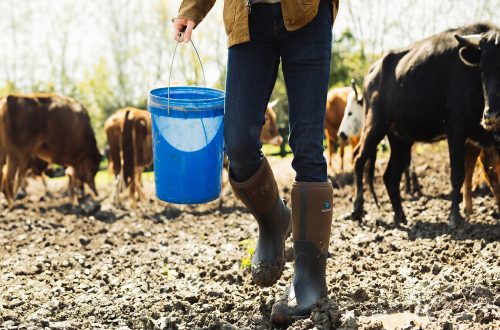
A simple field test is walking across the pasture:
- If your boots leave deep impressions, the soil is still too soft
- If the surface feels firm and stable, grazing can begin safely
Firm soil protects both roots and long-term pasture health.
Why a Gradual Transition Is Essential for Livestock Health
Livestock digestive systems require time to adjust from dry hay to fresh forage.
Hay is:
- High in fiber
- Lower in moisture
- Slower to digest
Fresh pasture is:
- High in moisture
- Highly digestible
- Lower in fiber
Sudden changes can lead to digestive disturbances such as:
- Bloating
- Loose manure
- Reduced feed efficiency
- Temporary performance decline
A gradual transition allows rumen microbes to adapt safely.
Recommended Transition Timeline
A gradual transition typically takes two to three weeks.
A common approach includes:
Week 1: Limited grazing access
- Allow livestock to graze 1 to 2 hours per day
- Continue full hay feeding
- Monitor animal behavior and manure consistency
Week 2: Increased grazing time
- Increase grazing access to 3 to 5 hours per day
- Reduce hay feeding slightly
- Observe pasture impact
Week 3: Partial grazing and reduced hay
- Allow longer grazing periods
- Provide hay only as needed
- Monitor forage availability
This gradual process protects both livestock health and pasture condition.
Animal Behavior Reveals Whether Transition Is Working
Livestock behavior provides valuable insight during the transition period.
Healthy transition signs include:
- Active grazing
- Calm feeding behavior
- Normal manure consistency
- Stable or improving body condition
Warning signs include:
- Reluctance to graze
- Excessive manure looseness
- Reduced activity
- Signs of bloating
Careful observation helps prevent problems early.
Matching Grazing Pressure to Forage Availability
Early spring forage grows rapidly—but not infinitely.
Overgrazing during early growth can permanently reduce seasonal productivity.
A useful guideline is to never allow livestock to graze plants below:
- 3 to 4 inches in height
This ensures plants retain enough leaf area for continued growth.
Maintaining proper grazing height protects future forage supply.
Rotational Grazing Improves Transition Success
Rotational grazing is especially beneficial during early spring.
By rotating livestock between pasture areas, producers allow grazed areas time to recover.
This improves:
- Forage regrowth speed
- Root development
- Total seasonal forage production
Even simple rotation between two or three pasture sections can significantly improve outcomes.
Weather Stability Plays an Important Role
Consistent weather accelerates safe transition.
Ideal transition conditions include:
- Several consecutive warm days
- Consistent plant growth
- Firm soil conditions
Cold snaps slow plant growth and reduce pasture readiness.
Adjust grazing timing based on actual pasture conditions—not the calendar.
Continuing Hay Supplementation When Necessary
Even after grazing begins, hay supplementation may still be necessary.
Early spring forage often contains high moisture but limited dry matter.
Hay helps provide:
- Additional fiber
- Balanced digestion
- Consistent energy intake
Hay supplementation should gradually decrease as pasture availability increases.
This balanced approach protects livestock performance.
Economic Benefits of Proper Transition Timing
Feed costs represent one of the largest expenses in livestock production.
Extending grazing season—even by a few weeks—can significantly reduce hay usage.
Proper transition timing allows producers to:
- Reduce purchased feed costs
- Improve feed efficiency
- Maximize pasture utilization
- Improve overall profitability
Smart transition management provides both biological and financial advantages.
Long-Term Pasture Health Depends on Early Decisions
The first grazing decisions of the season often determine pasture productivity for the entire year.
Proper timing promotes:
- Strong root development
- Healthy plant recovery
- Greater total forage yield
- Improved pasture longevity
Poor timing can reduce productivity for months or even years.
Protecting early growth ensures long-term pasture performance.
Conclusion: Transition Slowly, Observe Carefully, and Protect Future Growth
Moving livestock from full hay feeding to partial grazing is a gradual process that requires careful observation of both pasture readiness and animal health.
The best transition occurs when grass is well-established, soil conditions are firm, and livestock are introduced gradually. Maintaining hay supplementation during the early stages ensures proper digestion and performance while allowing pastures to continue developing.
Producers who manage this transition carefully benefit from lower feed costs, healthier livestock, and more productive pastures throughout the grazing season.
Early spring grazing is not just about feeding animals today—it is about building the foundation for the entire year ahead.


You May Also Like
Building Soil Health in Fall: Composting Strategies That Pay Off Next Year
Best Boots for Horse Farm Work: Waterproof Footwear for Stables, Mud, Pastures, and Daily Ranch Tasks