How to Start a Garden From Scratch in 2025: A Comprehensive Guide for Beginners
Starting a garden from scratch can be a deeply rewarding experience, offering a sense of accomplishment and providing a sustainable way to enjoy fresh fruits, vegetables, and flowers. Whether you’re interested in growing your own food or cultivating a beautiful flower garden, 2025 is the perfect year to embark on this fulfilling journey. Gardening allows you to connect with nature, reduce your carbon footprint, and enjoy the outdoors. In this guide, we’ll walk you through every step of starting a garden from scratch, making it easy, enjoyable, and successful.
Step 1: Plan Your Garden Layout and Choose Your Garden Type
Before you dig in the soil, it’s crucial to plan your garden layout. Successful gardening begins with thoughtful planning, as it can save you time, money, and effort in the long run.
1.1 Decide on the Type of Garden You Want
The first step in planning is determining what kind of garden you’d like to create. Some common options include:
- Vegetable Garden: If you want to grow your own food, a vegetable garden is the perfect choice. You can grow everything from tomatoes and lettuce to carrots and herbs.
- Flower Garden: A flower garden can brighten up your yard and attract pollinators like bees and butterflies. You can choose from annuals, perennials, or a combination of both.
- Herb Garden: Herbs are easy to grow and require minimal space. They’re perfect for those who want fresh ingredients for cooking or natural remedies.
- Raised Bed Garden: Raised beds are a great solution for gardeners with poor soil quality. They provide excellent drainage and allow you to control the growing environment.
- Container Garden: For those with limited space or poor soil conditions, container gardening can work well for vegetables, flowers, and herbs. It’s also ideal for small patios or apartments.
1.2 Assess Your Space and Climate
Once you’ve decided on the type of garden, take time to assess your garden space. Do you have a large backyard or a small balcony? Understanding your available space and the specific needs of your plants is key to success.
- Sunlight: Most vegetables and flowers need at least 6 hours of direct sunlight daily. Make sure to choose a spot that gets plenty of sunlight, especially for plants like tomatoes, peppers, and cucumbers.
- Soil Type: Test your soil to understand its pH, nutrient levels, and texture. You can buy inexpensive soil testing kits to determine if amendments are needed, such as compost, manure, or other organic materials.
- Climate Zone: Different plants thrive in different climate zones. The USDA Plant Hardiness Zone Map can help you determine which plants are best suited for your region.
Step 2: Gather Essential Tools and Materials
Starting a garden from scratch requires some basic tools and materials. Investing in quality equipment from the start will make your gardening experience much more enjoyable.
2.1 Tools You’ll Need
Here’s a list of essential tools to get you started:
- Garden Spade/Shovel: For digging and loosening the soil.
- Hand Trowel: Perfect for small tasks like planting seeds or transplanting young plants.
- Rake: To level and smooth the soil before planting.
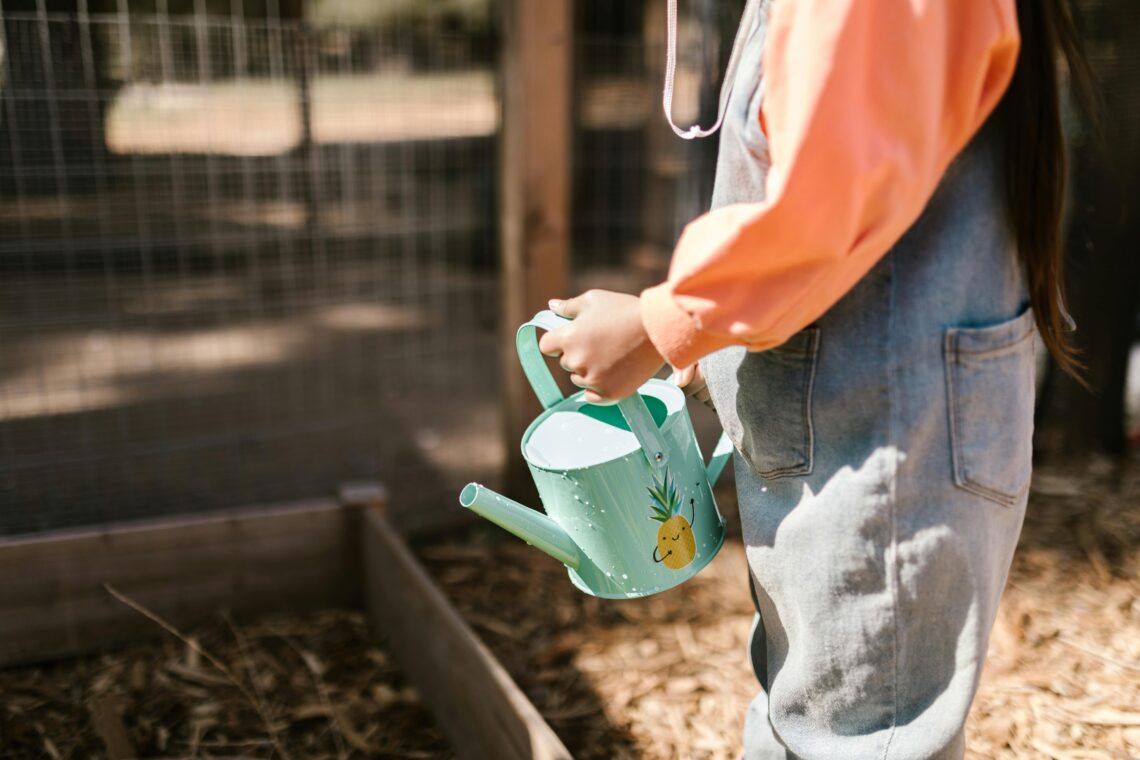
- Watering Can or Hose: To keep your plants hydrated, especially during the early stages.
- Pruning Shears: For trimming dead leaves or shaping plants as they grow.
- Gardening Gloves: To protect your hands from dirt and sharp objects.
- Garden Fork: To aerate the soil and break up compacted earth.
- Wheelbarrow: For transporting soil, compost, and other heavy materials.
- Garden Hose with a Spray Nozzle: For evenly watering larger areas.
2.2 Materials You’ll Need
Depending on the type of garden, you may need some additional materials:
- Soil Amendments: Compost, organic matter, and mulch can improve soil quality and encourage healthy plant growth.
- Seeds or Seedlings: Start with high-quality seeds or young plants from your local nursery or garden center.
- Raised Bed Kits or Containers: If you’re opting for raised beds or container gardening, make sure you have the necessary materials such as wood, metal, or plastic.
- Fertilizers: Choose organic or slow-release fertilizers that suit your soil’s needs.
Step 3: Prepare the Soil for Planting
Healthy, nutrient-rich soil is the foundation of any successful garden. Preparing the soil properly ensures that your plants have the best chance of thriving.
3.1 Clear the Area
Start by removing any existing grass, weeds, or debris from the garden area. You can use a shovel or hoe to manually dig them up or lay down cardboard or landscaping fabric to smother them and prevent regrowth.
3.2 Till and Aerate the Soil
Using a garden fork or spade, till the soil to a depth of about 3–6 inches (7.5–15 cm). This will help break up compacted soil, allowing roots to grow more easily. For raised beds, this step may be unnecessary if you’re filling the bed with fresh soil.
3.3 Add Organic Matter
To improve soil structure and fertility, mix in organic matter such as compost, aged manure, or leaf mold. Organic matter increases water retention, enhances drainage, and adds vital nutrients to the soil.
3.4 Test the Soil’s pH
Soil pH plays a vital role in plant growth. Most plants thrive in slightly acidic to neutral soil (pH 6–7). You can adjust the pH using lime (to raise pH) or sulfur (to lower pH), depending on the results of your soil test.
Step 4: Select and Plant Your Seeds or Seedlings
Once your soil is prepped, it’s time to choose your plants. The best plants for your garden will depend on your climate zone, garden space, and whether you’re planting perennials or annuals.
4.1 Choose the Right Plants
Research the types of plants that grow well in your area and fit your garden’s needs. In 2025, many gardeners are turning to native plants, as they require less maintenance and are more resistant to pests and diseases. Some great options include:
- Vegetables: Tomatoes, lettuce, kale, cucumbers, carrots, and peppers.
- Herbs: Basil, mint, thyme, rosemary, and oregano.
- Flowers: Sunflowers, daisies, marigolds, and lavender.
- Perennials: Peonies, hostas, and daylilies.
4.2 Follow Planting Instructions
Make sure to read the planting instructions on the seed packets or plant labels. Most plants require specific soil depths, spacing, and watering schedules. Planting at the right time and depth ensures healthy growth and better yields.
4.3 Consider Companion Planting
Companion planting is the practice of placing certain plants next to each other to enhance growth and ward off pests. For example, planting marigolds alongside tomatoes can deter harmful insects like aphids, while basil enhances the flavor of tomatoes.
Step 5: Water and Maintain Your Garden
Once your garden is planted, the next step is ensuring it stays healthy with proper care.
5.1 Watering
Watering is one of the most critical aspects of gardening. Make sure to water your garden deeply to encourage strong root systems. Early morning is the best time to water, as it helps reduce evaporation and prevents the growth of mold.
- How Much to Water: On average, gardens need about 1–1.5 inches (2.5–4 cm) of water per week.
- Watering Techniques: Use a soaker hose or drip irrigation for more efficient watering.
5.2 Mulching
Mulching helps retain moisture in the soil, suppresses weeds, and improves soil health. Apply a 2- to 3-inch layer of mulch around your plants, being careful not to cover the stems.
5.3 Regular Maintenance
Weeding, pruning, and pest control are essential maintenance tasks for keeping your garden healthy. Regularly remove weeds, dead plants, or any pests you notice. You can use natural or organic pest control methods such as neem oil, diatomaceous earth, or introducing beneficial insects like ladybugs.
Step 6: Harvest and Enjoy Your Garden
After months of hard work, the time will come to enjoy the fruits of your labor. Be sure to harvest your crops at the right time for the best flavor and nutrition. Whether you’re picking fresh vegetables for dinner or cutting flowers to brighten your home, harvesting is the final step in the garden cycle.
Conclusion: Growing Your Dream Garden in 2025
Starting a garden from scratch can seem like a daunting task, but with a bit of planning, patience, and effort, you can create a thriving and beautiful garden. By following these steps—planning your garden, choosing the right plants, preparing the soil, and maintaining your garden—you’ll set yourself up for success in 2025 and beyond. Gardening not only provides fresh produce and vibrant flowers, but it also brings a sense of connection to nature that’s hard to replicate elsewhere.
So grab your tools, plan your garden layout, and get ready to enjoy the peace, satisfaction, and beauty of gardening in the new year. Happy gardening!