Why Mud Season Is the Most Physically Demanding Time on a Cattle Ranch
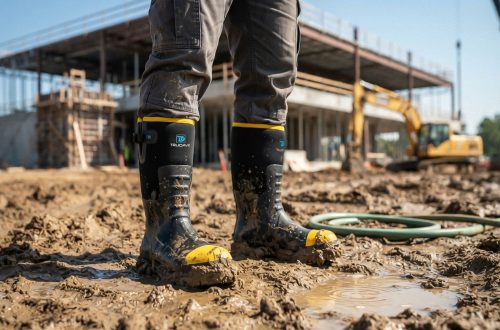
Mud season is one of the most challenging and physically exhausting periods on any cattle ranch. As winter loosens its grip and temperatures begin to rise, frozen ground thaws unevenly, snow melts into saturated soil, and firm terrain turns into deep, energy-draining mud. While this seasonal transition signals the approach of spring growth and new life, it also creates conditions that test the endurance, efficiency, and resilience of ranchers and livestock alike.
Understanding why mud season is so demanding—and how it affects movement, livestock management, equipment, and daily workload—can help ranchers prepare effectively and reduce unnecessary strain during this critical period.
What Causes Mud Season on Cattle Ranches
Mud season typically occurs in late winter and early spring when the ground transitions from frozen to thawed. Several environmental factors combine to create unstable and saturated soil conditions:
- Snowmelt saturates the topsoil faster than it can drain.
- Frozen subsurface layers prevent water from percolating downward.
- Daily freeze-thaw cycles weaken soil structure.
- Spring rains compound existing moisture levels.
This combination creates soft, unstable ground that cannot support normal foot traffic efficiently. Instead of firm footing, every step sinks, shifts, and resists movement.
For ranchers covering miles on foot daily, this dramatically increases physical effort.
Why Walking in Mud Is So Physically Exhausting
Walking on dry ground allows energy to transfer efficiently. Mud disrupts this efficiency in several ways:
Increased Resistance with Every Step
When your boot sinks into mud, your muscles must work harder to pull it free. This creates constant resistance against forward motion. Over time, this repetitive resistance significantly increases fatigue.
Research into human movement on unstable surfaces shows that walking in mud can increase energy expenditure by up to 2–3 times compared to firm ground.
On a cattle ranch, this means routine tasks like checking fences, feeding livestock, or inspecting pastures require far more physical effort than usual.
Reduced Stability and Muscle Strain
Mud shifts unpredictably. Ranchers must engage stabilizing muscles constantly to maintain balance. This affects:
- Calves
- Ankles
- Knees
- Lower back
- Core muscles
Over the course of a full day, these small stabilizing efforts accumulate into substantial physical fatigue.
Even experienced ranchers feel the difference after several consecutive days of mud season work.
How Mud Slows Every Ranch Task
Mud doesn’t just make movement harder—it makes everything slower.
Daily tasks affected include:
- Moving cattle between pastures
- Carrying feed or supplies
- Repairing fences
- Checking water sources
- Inspecting calves during calving season
Tasks that normally take one hour may take significantly longer because of reduced walking speed and increased effort.
This extended workload increases both physical strain and time pressure.
The Impact of Mud on Livestock Movement
Mud season affects cattle just as much as ranchers.
Cattle instinctively avoid unstable ground because it requires more energy to walk and increases injury risk. As a result, they may:
- Move less frequently
- Avoid certain feeding areas
- Cluster on higher, drier ground
- Delay movement toward water sources
This creates uneven grazing patterns and requires ranchers to monitor herd distribution more closely.
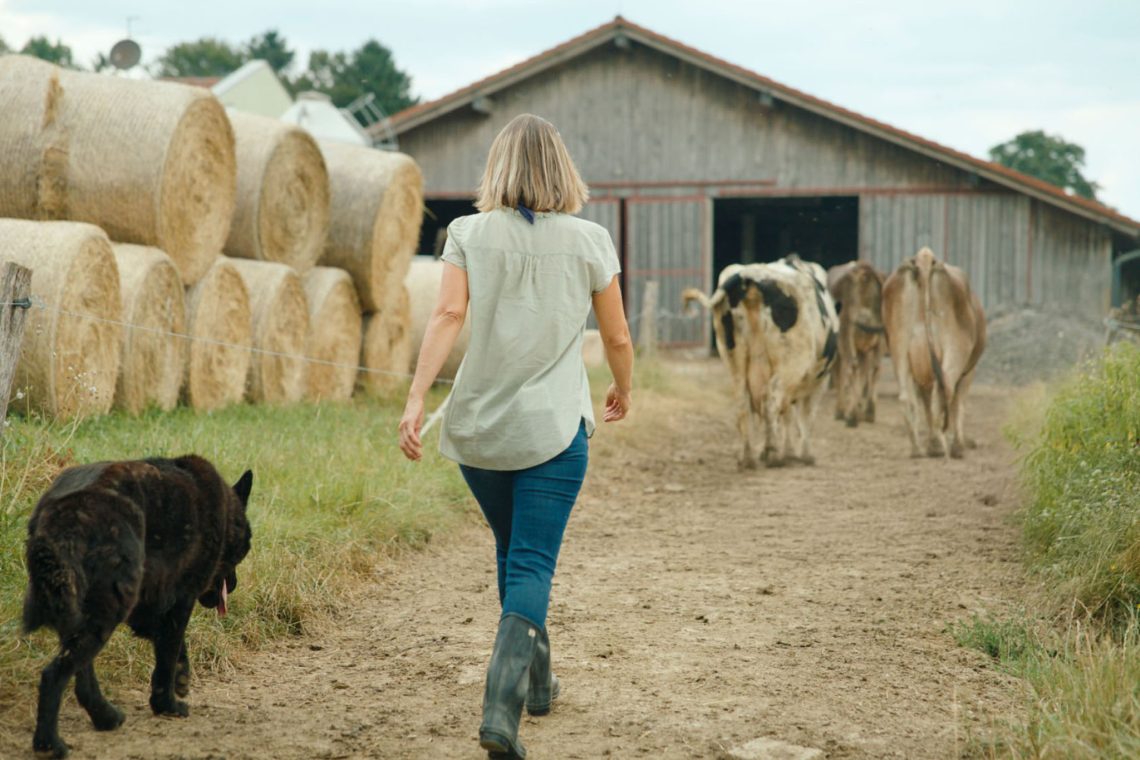
Moving cattle through mud also becomes more difficult, as animals are slower and more resistant to travel.
Equipment Becomes Harder to Use
Mud season affects more than human and livestock movement—it also impacts equipment efficiency.
Vehicles and machinery face challenges such as:
- Reduced traction
- Increased fuel consumption
- Higher risk of getting stuck
- Greater wear on tires and components
In some cases, ranchers must rely more heavily on walking because vehicles cannot safely access certain areas.
This further increases physical workload.
Increased Physical Stress During Calving Season
Mud season often overlaps with calving season, one of the most labor-intensive times of the year.
Newborn calves require close monitoring to ensure survival, especially during unstable weather conditions.
Ranchers must frequently travel between calving areas, sometimes multiple times per day. Mud increases the difficulty and fatigue associated with these necessary checks.
Responding quickly to problems becomes physically demanding when movement is slowed by terrain.
Footwear Becomes a Critical Factor
During mud season, proper footwear plays a major role in reducing fatigue and preventing injury.
Effective ranch footwear should provide:
- Strong traction to prevent slipping
- Waterproof protection to keep feet dry
- Ankle support for stability
- Durable construction to withstand constant exposure to mud
Without proper protection, ranchers expend more energy maintaining balance and avoiding slips, increasing fatigue over time.
Reliable footwear improves efficiency and reduces physical stress during long workdays.
Mental Fatigue Adds to Physical Exhaustion
Mud season doesn’t just challenge the body—it challenges the mind.
Constantly navigating unstable terrain requires increased concentration. Ranchers must:
- Watch every step
- Adjust movement constantly
- Anticipate unstable ground
- Plan more efficient routes
This mental effort adds another layer of fatigue to already demanding physical work.
Over time, this combination of physical and mental strain makes mud season one of the toughest periods of the year.
Why Experienced Ranchers Adapt Their Movement Strategy
Experienced ranchers understand that mud season requires adjustments in daily routines.
Common adaptations include:
- Planning efficient routes to minimize unnecessary walking
- Prioritizing essential tasks
- Monitoring ground conditions throughout the day
- Working during times when the ground is more stable, such as early morning when soil may still be partially frozen
These strategies help conserve energy and reduce physical strain.
How Mud Season Builds Long-Term Ranch Resilience
Despite its challenges, mud season plays an important role in the ranching cycle.
The moisture it brings supports:
- Spring grass growth
- Improved pasture productivity
- Stronger forage availability
- Healthier grazing conditions later in the year
While physically demanding, mud season contributes to the long-term health and sustainability of the ranch ecosystem.
Conclusion: Why Mud Season Is the True Test of Ranch Endurance
Mud season represents a unique combination of environmental challenge and physical demand. Every step requires more effort. Every task takes longer. Every movement becomes more deliberate.
From walking unstable ground to managing livestock and maintaining equipment, mud season pushes ranchers to their physical limits.
Yet it is also a necessary phase—one that prepares the land for growth and the ranch for the productive seasons ahead.
Those who understand the demands of mud season and prepare accordingly can reduce fatigue, maintain efficiency, and ensure their ranch remains strong and productive throughout the year.


You May Also Like
Building Soil Health in Fall: Composting Strategies That Pay Off Next Year
Best Boots for Peach Farm Work: Waterproof Footwear for Fruit Picking, Orchard Maintenance, and Harvest Season