Simple Ways to Boost Pasture Recovery After a Long Winter
For many ranchers across the United States, winter can be tough on pastureland. Months of cold temperatures, limited sunlight, frost, snow cover, and livestock pressure often leave pastures stressed by the time spring arrives. Grass may appear thin, soil can become compacted, and some areas may show signs of damage from heavy use during the colder months.
The good news is that pastures are remarkably resilient when managed properly. With the right strategies early in the season, ranchers can help their grasslands recover faster, grow thicker, and provide stronger forage throughout the year.
Understanding how to support pasture recovery after a long winter can make a major difference in both forage productivity and long-term pasture health.
Give Pastures Time to Wake Up
One of the most effective ways to boost pasture recovery is simply giving grass time to fully resume growth before grazing begins.
After winter dormancy, grass plants rely on stored energy in their root systems to push out new leaves. During this early stage, plants are vulnerable. If livestock graze too soon, the plant may not have enough leaf area to produce energy through photosynthesis.
Allowing pastures to reach a healthy height before grazing helps ensure plants can rebuild their energy reserves. For many cool-season grasses, waiting until they reach 6 to 8 inches tall is a good starting point.
This short delay can dramatically improve pasture vigor for the rest of the season.
Rotate Grazing to Protect Young Grass
Once grazing begins, controlling how long livestock remain in one area becomes extremely important.
Continuous grazing in early spring can quickly weaken grass stands because plants do not have time to recover between grazing periods. Rotational grazing helps prevent this problem by dividing pastures into smaller paddocks and moving cattle regularly.
Rotational systems offer several benefits:
- Grass gets recovery time between grazing cycles
- Root systems develop stronger and deeper
- Forage production increases throughout the season
- Overgrazing becomes less likely
Even simple rotation strategies can significantly improve pasture recovery compared to leaving cattle in one large pasture all spring.
Check Soil Conditions Before Heavy Use
Soil health plays a critical role in pasture productivity. After winter snowmelt and early spring rains, soil can remain soft and vulnerable to compaction.
If livestock walk on saturated soil, their hooves can compress the ground and reduce the air spaces needed for healthy root growth. Compacted soil makes it harder for water and nutrients to reach grass roots.
Before turning cattle onto a pasture, it helps to walk the field and check ground firmness. If deep hoof prints would likely form, the soil may still be too wet for heavy grazing.
Allowing pastures to dry slightly before heavy use can protect soil structure and support faster grass recovery.
Remove Excess Residue from Winter Feeding Areas
Many ranchers feed hay in pastures during the winter months. While this can provide nutrients to the soil, it can also leave behind heavy residue or manure buildup in certain areas.
If these spots are left unmanaged, thick mats of leftover hay can smother new grass growth in the spring.
Dragging or lightly harrowing pastures in early spring can help break up these residue layers. This spreads organic matter more evenly across the pasture and allows sunlight to reach the soil surface.
The result is more uniform grass growth and better pasture recovery.
Consider Overseeding Thin Areas
Some pastures develop bare or thin patches after a harsh winter. Overseeding can help fill these gaps before weeds take over.
Early spring is often a good time to introduce new forage species, especially if soil moisture is adequate. Broadcast seeding into slightly disturbed soil can allow seeds to make contact with the ground and establish quickly.
Common grasses and legumes used for pasture improvement may include:
- Orchardgrass
- Tall fescue
- Perennial ryegrass
- Red clover
- White clover
Adding legumes like clover can also improve soil fertility by naturally fixing nitrogen.
Healthy plant diversity often leads to more resilient pastures over time.
Manage Early Weed Growth
Weeds often take advantage of weakened pastures after winter. Bare soil and slow grass growth give opportunistic plants a chance to spread.
Monitoring pastures early in the season allows ranchers to identify weed problems before they become widespread.
Some weeds can be controlled simply by improving grazing management and encouraging thick grass growth. In other cases, mowing or targeted herbicide applications may be needed.
The key is addressing weed problems early, before they compete heavily with forage grasses.
Support Soil Fertility
Healthy grass requires adequate nutrients to grow well. After a long winter, soil nutrient levels may need attention, particularly in heavily grazed areas.
Soil testing can help determine whether pastures would benefit from fertilizer or lime applications. Even small nutrient adjustments can improve grass growth and speed up recovery.
Balanced soil fertility supports:
- Stronger root development
- Faster spring green-up
- Increased forage yields
Maintaining proper soil health is one of the most reliable ways to ensure long-term pasture productivity.
Monitor Pasture Growth Regularly
Spring weather can cause pasture conditions to change quickly. Warm temperatures combined with rainfall may trigger rapid grass growth in a short period of time.
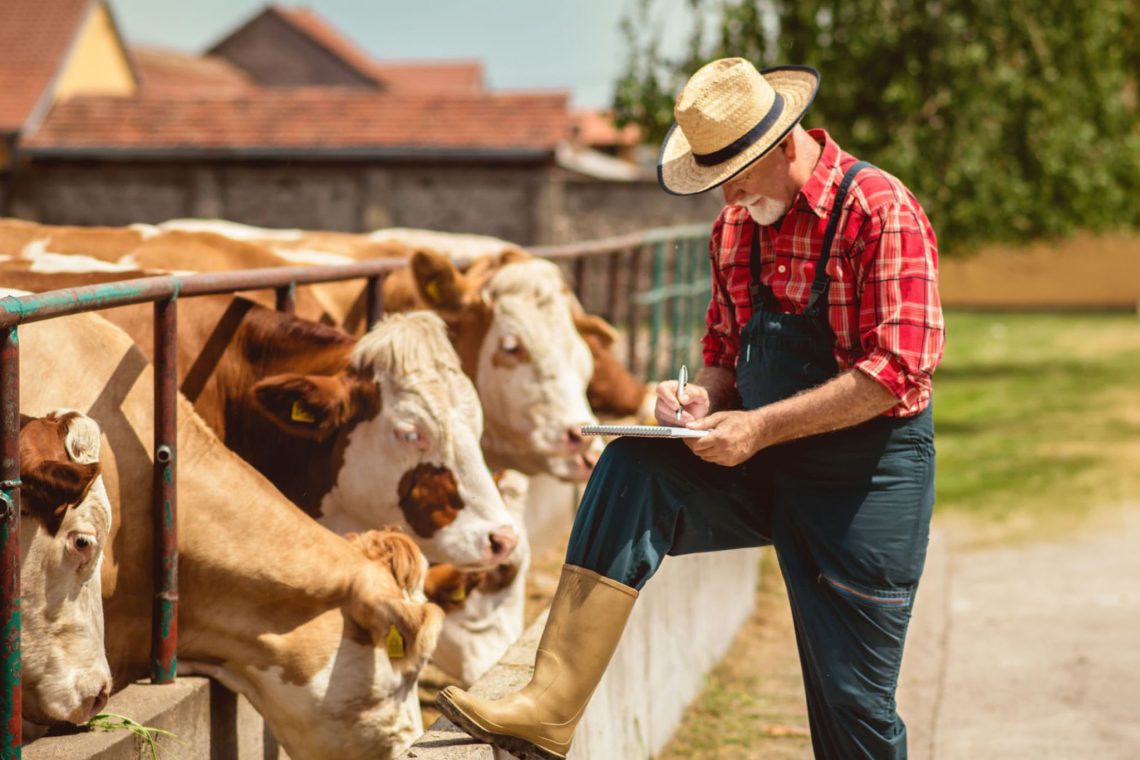
Regular pasture inspections allow ranchers to make adjustments as needed. Monitoring grass height, density, and grazing pressure helps prevent both overgrazing and wasted forage.
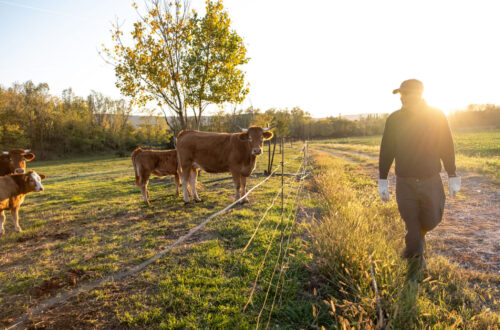
Walking pastures every few days during early spring provides valuable insight into how quickly grass is recovering after winter.
This hands-on approach helps ranchers make better grazing decisions throughout the season.
Building Stronger Pastures for the Season Ahead
Pasture recovery after winter does not happen automatically. It requires careful management during the critical early weeks of spring.
By allowing grass time to grow, managing grazing pressure, protecting soil health, and addressing thin areas quickly, ranchers can set their pastures up for a productive grazing season.
Healthy pastures not only provide more forage but also support better cattle performance and long-term land sustainability.
A few simple management steps taken early in the year can make a significant difference in how well a pasture performs for the rest of the season.


You May Also Like
Trudave Gear Rain Boots Review: Honest Waterproof Boots for Urban Commutes, Daily Chores & Outdoor Life
The Cheap Boot Trap: Why That $30 Pair of Rain Boots Is Actually Costing You a Fortune