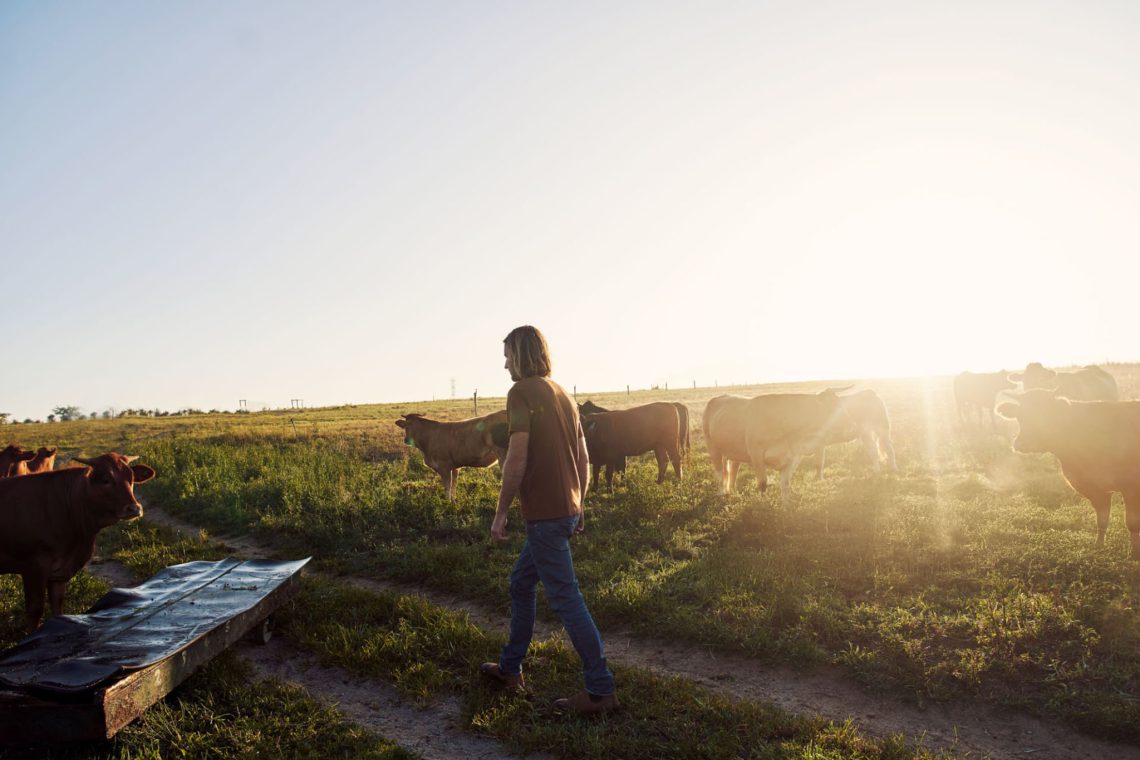
The Late Spring Growth Surge That Can Backfire Quickly
Every rancher looks forward to that moment in late spring when pastures finally explode with growth. After a long winter and a slow early season, grass seems to take off almost overnight. Fields turn deep green, forage appears abundant, and it feels like the hard part is behind you.
But here’s the reality many experienced ranchers understand:
That late spring growth surge can backfire—fast—if it’s not managed correctly.
What looks like abundance today can quickly turn into wasted forage, declining pasture quality, and long-term productivity issues that carry well into summer and even fall.
Let’s break down why this happens—and how to stay ahead of it.
Why Late Spring Growth Happens So Fast
Late spring creates near-perfect conditions for pasture growth:
- Warmer soil temperatures
- Longer daylight hours
- Increased moisture from spring rains
- Strong root recovery after winter dormancy
This combination triggers rapid vegetative growth, especially in cool-season grasses like fescue, orchardgrass, and ryegrass.
At this stage, grass is highly nutritious, palatable, and ideal for grazing—but only for a limited window.
How the Growth Surge Turns Into a Problem
The issue isn’t the growth itself—it’s how quickly that growth outpaces your grazing system.
1. Grass Matures Faster Than Cattle Can Keep Up
When grass grows too quickly:
- It becomes tall and stemmy
- Nutritional value declines
- Digestibility drops
What started as high-quality forage can turn into low-value bulk in just a couple of weeks.
2. Selective Grazing Gets Worse
Cattle naturally prefer tender, leafy growth.
During a surge:
- They repeatedly graze the best areas
- Ignore mature or less palatable sections
- Create uneven pasture utilization
This leads to overgrazed patches next to underutilized areas, which reduces overall efficiency.
3. Forage Waste Increases Rapidly
If grass isn’t grazed at the right stage:
- It gets trampled
- Lodges (falls over)
- Begins to decay
Once that happens, recovery becomes slower, and you’ve effectively lost usable forage.
4. Future Growth Gets Compromised
Letting grass get too mature doesn’t just affect today’s grazing—it impacts future production:
- Plants shift energy into seed production instead of leaf growth
- Regrowth slows down
- Pastures become less productive in early summer
The Hidden Timing Window Most Ranchers Miss
The key challenge with a late spring surge is timing.
There’s a **short window—often just 1 to 2 weeks—**where grass is at peak nutritional value.
Miss that window, and you’re no longer managing high-quality forage—you’re reacting to declining conditions.
This is where many operations fall behind without realizing it.
Signs Your Growth Surge Is Getting Ahead of You
Watch for these early warning signals:
- Grass height increasing faster than your rotation schedule
- Seed heads beginning to form
- Uneven grazing patterns across the pasture
- Cattle spending more time searching for preferred forage
- Flattened or trampled grass in high-growth areas
If you see these signs, your system needs adjustment immediately.
How to Stay Ahead of the Growth Surge
Managing this phase effectively requires flexibility and quick decision-making.
1. Speed Up Your Grazing Rotation
During rapid growth, your normal rotation may be too slow.
- Move cattle more frequently
- Prevent grass from becoming overmature
- Keep forage in its optimal growth stage
Shorter grazing periods help maintain quality across all paddocks.
2. Increase Stock Density Temporarily
Higher stocking density can help:
- Improve grazing uniformity
- Reduce selective grazing
- Utilize forage before it matures
Even short-term adjustments can make a big difference.
3. Cut or Hay Excess Growth
If pasture growth exceeds what your herd can handle:
- Identify paddocks that are getting ahead
- Remove them from rotation
- Cut them for hay or silage
This keeps your system balanced and prevents waste.
4. Focus on Grass Height Targets
Instead of grazing on a fixed schedule, adjust based on conditions:
- Enter paddocks at optimal height (usually 6–10 inches for many grasses)
- Exit before grass is grazed too short (leave 3–4 inches)
This maintains plant health and encourages faster regrowth.
5. Plan Ahead for Early Summer
Late spring management directly impacts summer performance.
By controlling the surge now, you:
- Maintain higher forage quality longer
- Reduce stress on pastures during heat
- Improve overall grazing efficiency
Why This Matters More Than You Think
The late spring growth surge isn’t just a short-term opportunity—it’s a turning point for your entire grazing season.
Handled correctly, it can:
- Maximize forage utilization
- Improve cattle performance
- Extend grazing into drier months
Handled poorly, it can:
- Lead to wasted feed
- Create uneven pastures
- Reduce productivity for the rest of the year
The Bottom Line
Fast pasture growth feels like a win—but without the right strategy, it can quickly become a liability.
The most successful ranchers don’t just react to growth—they anticipate it and stay ahead of it.
Because in late spring, the difference between a productive season and a frustrating one often comes down to a simple truth:
Grass doesn’t wait—and neither should you.


You May Also Like

Best Rain Boots for Muddy Terrain: 8 Features That Actually Matter
Feeding Smarter, Not Harder: Winter Ration Planning for Your Herd