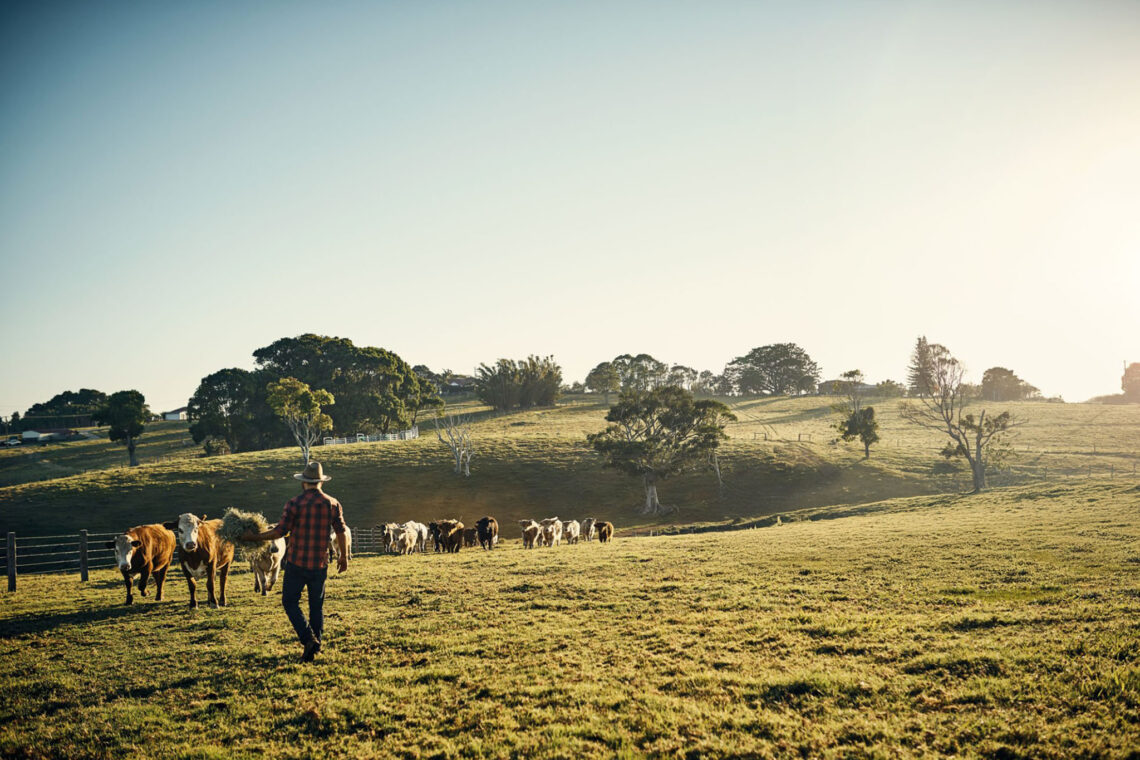
How to Time Your First Grazing Pass for Maximum Regrowth
Early spring is when your pasture sets the tone for the entire year.
Grass begins to wake up, growth accelerates, and livestock demand increases—but one decision matters more than most:
When you make your first grazing pass.
Get it right, and you’ll promote faster regrowth, higher forage quality, and better season-long production.
Get it wrong, and you risk slowing growth, weakening plants, and reducing total yield.
This guide breaks down exactly how to time your first grazing pass for maximum regrowth and long-term pasture performance.
Why Timing Matters More Than Anything Else
Grass growth in early spring follows a pattern:
- Slow recovery after winter
- Rapid vegetative growth (spring flush)
- Maturity and decline in quality
Your first grazing pass determines how well plants:
- Recover after being grazed
- Regrow for future rotations
- Maintain productivity throughout the season
You’re not just grazing—you’re setting up the next growth cycle.
The Goal of the First Grazing Pass
Your objective isn’t to maximize immediate intake—it’s to:
- Stimulate regrowth
- Keep grass in a productive stage
- Build a strong root system
Think of the first pass as a reset that triggers better growth, not just feed consumption.
The Ideal Timing Window
Graze at the Right Growth Stage
The best time to start grazing is when grass reaches:
- 6–10 inches tall (cool-season grasses)
- Early vegetative stage (before seed heads form)
At this point:
- Plants have enough leaf area to support regrowth
- Root reserves are still strong
- Forage quality is high
Why Grazing Too Early Hurts
If you graze too soon:
- Plants haven’t fully recovered from winter
- Root systems are still weak
- Regrowth slows significantly
This leads to:
- Lower yields
- Thinner stands
- Reduced pasture resilience
Early grazing costs you production you can’t get back.
Why Grazing Too Late Also Hurts
Waiting too long creates a different problem:
- Grass becomes too tall and mature
- Nutritional quality drops
- Plants shift energy toward seed production
This results in:
- Lower digestibility
- Uneven grazing
- Reduced regrowth potential
Overgrown grass doesn’t bounce back the same way.
How to Read Your Pasture Instead of the Calendar
Every year is different.
Instead of relying on dates, focus on:
1. Grass Height
Walk your pasture regularly.
- Measure average height—not just the tallest spots
- Look for uniform growth
2. Leaf Development
Healthy grass should have:
- Multiple leaves per plant
- Strong green color
- Active growth
3. Soil Conditions
Avoid grazing when:
- Soil is too wet (risk of compaction)
- Hoof traffic can damage root zones
Soil health is just as important as plant height.
How to Execute the First Grazing Pass
1. Move Quickly
In early spring, growth is rapid.
- Rotate livestock quickly
- Avoid overgrazing any one area
- Focus on even utilization
2. Don’t Graze Too Short
Leave a residual height of:
- 3–4 inches for most cool-season grasses
This ensures:
- Faster regrowth
- Continued photosynthesis
- Healthier root systems
3. Prioritize Uniform Grazing
Try to:
- Prevent selective grazing
- Encourage animals to use the entire pasture
This leads to:
- More consistent regrowth
- Better pasture utilization
The Role of Rotation in Early Spring
Spring is when rotational grazing matters most.
Why?
- Growth rates are highest
- Recovery time is shorter
- Timing mistakes are amplified
A good system:
- Moves livestock frequently
- Matches grazing pressure to growth
- Allows adequate rest between passes
Rotation turns timing into a long-term advantage.
Adjusting for Weather Variability
Spring weather is unpredictable.
Be ready to adjust based on:
Rapid Growth (Warm + Wet Conditions)
- Start grazing earlier
- Increase rotation speed
- Prevent grass from getting ahead
Slow Growth (Cool + Dry Conditions)
- Delay first grazing
- Reduce stocking pressure
- Protect plant recovery
Common Mistakes to Avoid
- Grazing based on calendar dates instead of conditions
- Starting too early to “get ahead”
- Letting grass become too mature before grazing
- Grazing too short during the first pass
- Ignoring soil moisture and compaction risks
The Long-Term Impact of Getting It Right
Proper timing of your first grazing pass leads to:
- Faster regrowth cycles
- Higher forage quality all season
- Improved root strength
- Better drought resilience
- Increased total pasture production
One well-timed decision can improve your entire grazing year.
The Competitive Advantage
Many producers either:
- Start too early out of pressure
- Or wait too long and lose quality
The ones who succeed consistently:
- Watch their pasture closely
- Act within the optimal window
- Adjust based on conditions—not habit
Final Thoughts
Your first grazing pass isn’t just the start of the season—
It’s the foundation for everything that follows.
By focusing on:
- Proper growth stage
- Soil conditions
- Controlled grazing pressure
- Smart rotation
You create a system where grass:
- Recovers faster
- Produces more
- Stays productive longer
Because in pasture management, success doesn’t come from grazing more—
It comes from grazing at the right time.


You May Also Like

December Garden Reset: The Winter Tasks Most Growers Forget to Do
Best Boots for Rice Farm Work: Waterproof Footwear for Muddy Fields, Irrigation, Levees, and Harvest