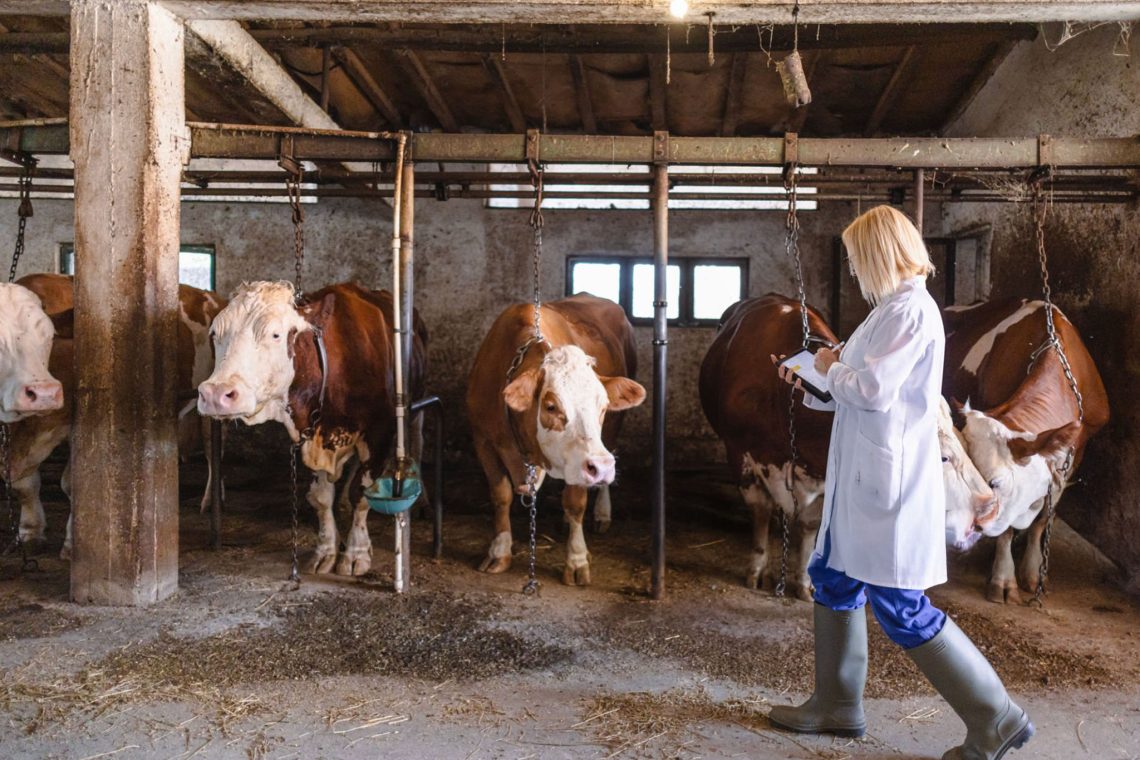
Why Cattle Gain Faster in Spring Than Any Other Time of Year
Every rancher sees it happen.
After a long winter of maintenance feeding and slower performance, spring arrives—and suddenly cattle begin to gain weight faster, look healthier, and perform better overall.
It’s not just your imagination.
Spring consistently delivers the highest rate of weight gain for grazing cattle—and it’s driven by a combination of forage quality, animal biology, and environmental conditions.
Understanding why this happens allows you to take full advantage of it—and avoid missing the most productive window of the year.
The Spring Advantage: What’s Really Happening
Spring isn’t just a change in temperature—it’s a complete shift in the pasture ecosystem.
You get:
- Rapid forage growth
- Higher nutrient density
- Improved digestibility
- Favorable grazing conditions
All of this combines to create:
The most efficient weight-gain environment cattle experience all year.
1. Spring Forage Is at Peak Nutritional Value
When grass first begins growing in spring, it’s in the vegetative stage—the most nutritious phase of its life cycle.
At this stage, forage contains:
- High crude protein
- High energy levels
- Low fiber content
- High moisture content
This means cattle can:
- Eat less volume
- Extract more nutrients
- Convert feed into weight more efficiently
Quality, not just quantity, drives spring gains.
2. Digestibility Is at Its Highest
As forage matures, fiber increases and digestibility drops.
But in early to mid-spring:
- Cell walls are softer
- Lignin levels are low
- Nutrients are easier to break down
This leads to:
- Faster digestion
- Higher intake capacity
- Better feed conversion
Cattle can process spring forage quickly and efficiently—leading to faster gains.
3. Increased Intake (They Simply Eat More)
Spring grass is not only nutritious—it’s highly palatable.
Cattle respond by:
- Grazing longer
- Consuming more forage
- Selecting high-quality bites
Because digestibility is high:
- Intake increases naturally
- Animals don’t feel “full” as quickly
More intake + better nutrition = accelerated weight gain.
4. Ideal Environmental Conditions
Spring provides a nearly perfect environment for cattle performance:
- Moderate temperatures reduce stress
- Longer daylight hours increase grazing time
- Comfortable conditions support consistent feeding
Unlike summer heat or winter cold:
Cattle can focus energy on growth instead of survival.
5. Energy Isn’t Wasted on Maintenance
In winter:
- Cattle burn energy to stay warm
- Feed is used for maintenance, not gain
In summer:
- Heat stress reduces intake
- Energy is spent on cooling the body
But in spring:
- Maintenance energy needs are lower
- More energy goes toward growth
More of what they eat turns directly into weight gain.
6. Pasture Density Supports Efficient Grazing
Spring pastures often provide:
- Dense, uniform forage
- Easy access to high-quality feed
- Minimal competition between animals
This allows cattle to:
- Graze efficiently
- Spend less energy searching for food
- Maintain consistent intake
7. Rumen Function Peaks with High-Quality Forage
The rumen thrives on fresh, digestible forage.
In spring:
- Microbial activity increases
- Feed breakdown improves
- Nutrient absorption becomes more efficient
A healthy rumen directly translates to better performance.
Why These Gains Don’t Last
Spring performance is powerful—but temporary.
As the season progresses:
- Grass matures and fiber increases
- Nutritional value declines
- Heat stress begins to impact intake
If not managed properly:
You can lose much of the advantage spring provides.
How to Maximize Spring Weight Gain
1. Time Grazing to Peak Forage Quality
Start grazing when grass is:
- In the vegetative stage
- Before seed heads emerge
- At optimal height (typically 6–10 inches)
2. Use Rotational Grazing
Rotational systems help:
- Keep forage in its most productive stage
- Maintain high nutritional quality
- Encourage consistent regrowth
3. Avoid Overgrazing Early
Taking too much too soon:
- Weakens plants
- Slows regrowth
- Reduces total forage availability
Leave adequate residual to support recovery.
4. Monitor Forage Quality, Not Just Quantity
Lush green grass can be misleading.
As growth accelerates:
- Quality can drop quickly
- Nutrient balance may shift
Stay ahead by:
- Moving cattle frequently
- Managing pasture height
5. Supplement When Needed
In some cases, spring forage may lack:
- Fiber balance
- Certain minerals
Providing:
- Mineral supplements
- Occasional fiber sources
Helps maintain optimal digestion and performance.
Common Mistakes That Limit Spring Gains
- Turning cattle out too early on immature pasture
- Letting grass get too mature before grazing
- Overgrazing during the first rotation
- Ignoring mineral needs
- Failing to adjust grazing pressure to rapid growth
The Bigger Picture
Spring is more than just a good grazing season—it’s your opportunity to:
- Build body condition
- Improve herd performance
- Set the foundation for the rest of the year
What happens in spring impacts summer, fall, and even winter outcomes.
Final Thoughts
Cattle gain faster in spring because everything aligns:
- High-quality forage
- Ideal environmental conditions
- Efficient digestion and intake
But this advantage doesn’t manage itself.
If you:
- Time your grazing correctly
- Maintain forage quality
- Support animal nutrition
You can turn a natural seasonal boost into a measurable increase in productivity and profitability.
Because in cattle production, the fastest gains don’t come from pushing harder—
They come from working with the season at its best.


You May Also Like
The Hidden Pasture Spots That Feed Livestock During Dry Spring Patches
The Environmental Case for Trudave Rain Boots: Natural Rubber, Longevity, and a Cleaner Footprint