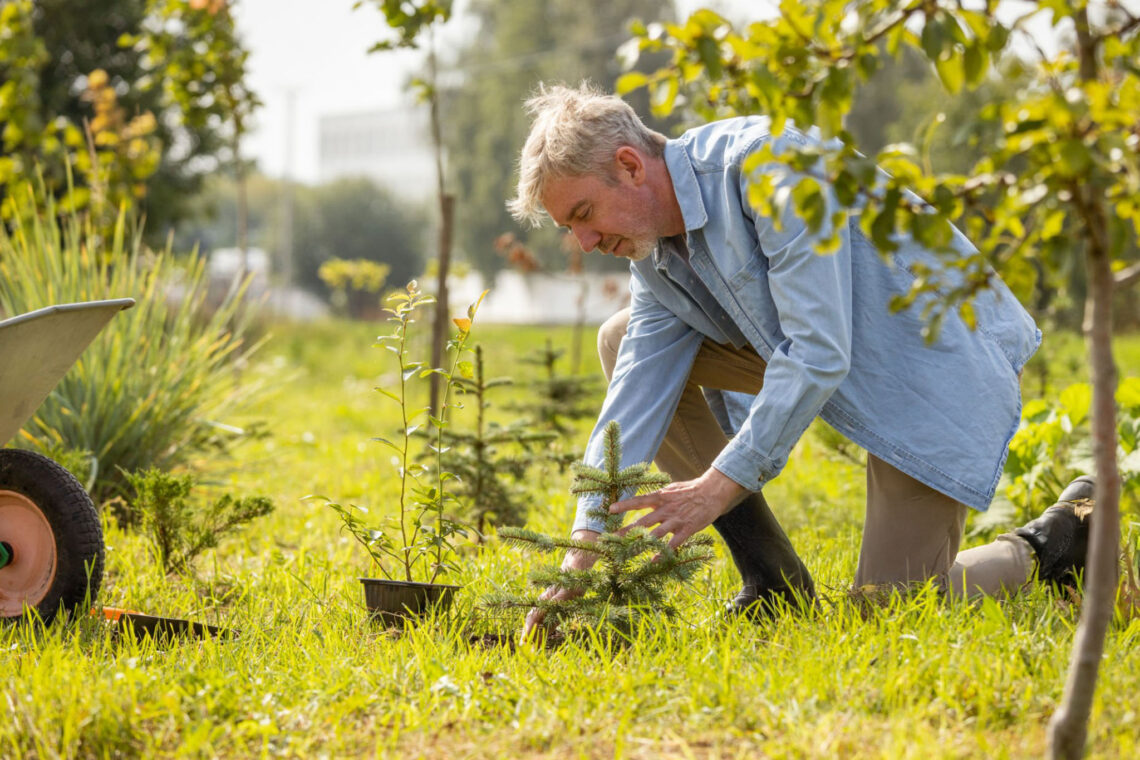
Early April Planting Secrets That Maximize Spring Growth
Spring is finally in full swing, and for gardeners across the United States, early April is one of the most crucial windows of the year. Timing your planting and preparation during this period can make a huge difference in overall garden success. But what separates a thriving garden from a struggling one isn’t just luck—it’s understanding the right strategies to maximize growth while the season is still young.
1. Know Your Soil Temperature
One of the most overlooked factors in early spring gardening is soil temperature. Even if the air feels warm, the soil may still be too cold for many seeds to germinate efficiently.
- Vegetables like peas, spinach, and radishes can handle cooler soil (around 40–45°F).
- Warm-season crops like tomatoes, peppers, and beans require soil temperatures closer to 60°F.
Using a simple soil thermometer can help you plant at the ideal time, avoiding wasted seeds and slow germination.
2. Start Seeds Indoors for a Head Start
Early April is the perfect time to start seeds indoors, especially if you’re aiming for a long growing season.
- Use seed trays with high-quality seed-starting mix.
- Ensure adequate light—sunny windows or grow lights for 12–16 hours daily.
- Maintain consistent moisture, but avoid waterlogging.
By the time outdoor conditions are ideal, your seedlings will already be strong and ready to transplant, giving you a jump on the season.
3. Improve Soil Structure Early
Before planting, take the time to amend and condition your soil. Early spring work pays off throughout the growing season.
- Add compost to enrich soil with organic matter and improve moisture retention.
- Incorporate well-aged manure for a slow-release nutrient boost.
- Consider a light tilling or aeration, but avoid overworking wet soil, which can damage structure.
Healthy, well-structured soil supports faster root growth and better overall plant health.
4. Choose Early-Season Varieties
Not all plant varieties are created equal when it comes to early spring planting. Selecting varieties specifically bred for early growth can give you a strong start.
- Lettuce, spinach, and kale thrive in cooler conditions and grow quickly.
- Carrots and beets can be sown directly into the soil in April.
- Look for labels like “early season,” “cold-tolerant,” or “fast-growing” to ensure success.
These crops take advantage of the shorter daylight and cooler temperatures, producing a healthy, early harvest.
5. Use Row Covers for Extra Protection
Spring weather can be unpredictable, with sudden frosts threatening tender seedlings. Row covers are an essential tool for early April gardening.
- Lightweight fabric allows sunlight, air, and moisture to reach plants while keeping frost at bay.
- Covers can also provide a barrier against pests that emerge early in spring.
This simple step helps maximize growth without losing plants to unexpected cold snaps.
6. Water Smartly and Consistently
While spring rains often provide sufficient moisture, newly planted seeds and transplants benefit from consistent watering.
- Water in the morning to reduce the risk of disease.
- Keep soil evenly moist but not saturated—overwatering can stunt growth.
- Mulching around seedlings retains soil moisture and reduces temperature fluctuations.
Proper watering ensures that plants establish roots quickly and grow steadily during this critical early stage.
7. Plan for Continuous Succession Planting
Early April is the perfect time to think ahead. By staggering plantings every two to three weeks, you can ensure a continuous supply of fresh vegetables and greens throughout spring and into summer.
- Sow quick-growing crops like radishes, spinach, and arugula in succession.
- Rotate crops to maintain soil health and prevent pests.
- Combine early cool-season crops with future warm-season crops for year-round productivity.
This approach maximizes output from the same garden space without overwhelming you with one massive harvest all at once.
Final Thoughts
Maximizing spring growth begins long before seeds hit the soil. By understanding soil temperature, starting seeds indoors, preparing your soil, choosing early-season varieties, protecting your crops, watering properly, and planning for succession planting, gardeners can turn early April into the foundation for a thriving season.
Remember, early action sets the tone for the entire garden year. Those who invest effort and strategy in April will enjoy robust growth, healthier plants, and a more productive harvest.


You May Also Like
Spring Feed Strategy: Balancing Hay and Pasture Recovery

Best Boots for Oyster Farm Work: Waterproof Footwear for Mudflats, Tidal Farms, Wet Docks, and Saltwater