The Spring Gardening Mistake Almost Everyone Makes Without Knowing
Spring is one of the most exciting times of the year for gardeners. The sun is warmer, days are longer, and the soil is finally ready for planting. But even seasoned gardeners often fall into the same trap—without even realizing it. This common mistake can drastically affect plant growth, yield, and overall garden health, and it’s happening in yards across the U.S. every spring.
What the Mistake Is: Planting Too Early or in the Wrong Conditions
The mistake is deceptively simple: starting your garden before the soil and environmental conditions are truly ready.
Many gardeners plant as soon as the first warm days arrive, assuming that if the air feels warm, the soil is ready too. But spring in much of the country can be unpredictable:
- Soil may still be too cold for optimal seed germination
- Excess moisture can cause seeds or roots to rot
- Temperature swings can stress young plants
This leads to seeds failing to sprout, weak seedlings, or stunted growth—all problems that could have been avoided with proper timing and preparation.
Why This Happens to Almost Everyone
There are a few key reasons gardeners fall into this trap:
- Excitement for Spring: After a long winter, it’s hard to resist planting early.
- Misjudging Soil Readiness: Warm air does not always mean the soil is warm enough.
- Assuming All Plants Are the Same: Cool-season crops tolerate early conditions, but warm-season crops do not.
The Role of Soil Temperature
Soil temperature is the number-one factor most gardeners overlook. Seeds are very particular about the temperature at which they germinate.
- Cool-season seeds (lettuce, spinach, peas) can germinate in soil as low as 40–50°F
- Warm-season seeds (tomatoes, peppers, cucumbers) typically need soil above 60°F
Planting warm-season crops too early often leads to slow germination or seed rot. Even if seeds sprout, seedlings may be weak and highly susceptible to pests or disease.
Moisture Management Matters
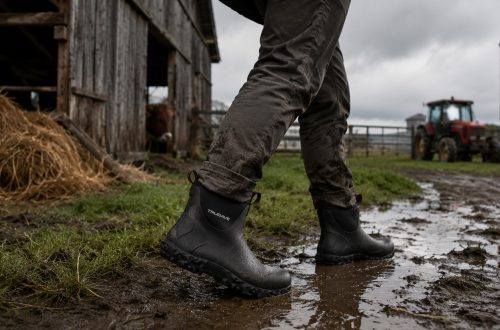
Spring often comes with rain and melting snow, which can leave soil overly saturated.
- Seeds need moisture, but too much creates oxygen-poor soil.
- Roots in wet soil struggle to take up nutrients.
- Many diseases thrive in wet conditions, further stunting growth.
Almost everyone planting early underestimates the danger of overwatering in combination with cold soil.
How to Avoid the Mistake
1. Test Your Soil Temperature
Don’t rely on the calendar. Use a soil thermometer to measure the actual temperature where you plan to plant. This simple step prevents the majority of early-season failures.
2. Choose the Right Seeds for Early Spring
Focus on cool-season crops first:
- Leafy greens (lettuce, kale, arugula)
- Root vegetables (carrots, radishes, beets)
- Peas and other legumes
Warm-season crops should be started indoors or delayed until the soil is consistently warmer.
3. Improve Soil Conditions Before Planting
- Add organic compost to improve drainage and nutrient content
- Avoid compacted soil that can trap water and heat poorly
- Consider raised beds to keep plants above excess moisture
4. Stagger Your Planting
Planting in phases allows you to respond to unpredictable weather and prevents the disappointment of a total crop failure.
Common Symptoms of This Mistake
If you’ve made this early-season error, you might notice:
- Seeds that never sprout or sprout unevenly
- Weak, spindly seedlings that struggle to survive
- Soil crusting or mold on seed surfaces
- Plants that grow slowly despite apparent care
Why Timing Matters More Than Enthusiasm
The difference between a thriving spring garden and a frustrating one often comes down to patience. Early planting is tempting, but giving your seeds and seedlings the proper conditions ensures:
- Faster germination
- Stronger roots
- Higher resilience against pests, cold snaps, and disease
- Better yields throughout the growing season
Final Thoughts
The spring gardening mistake almost everyone makes is planting too early or ignoring soil readiness. Excitement and optimism can backfire if seeds and seedlings face conditions they aren’t prepared for.
By testing soil, managing moisture, and choosing the right plants for early spring, you can set your garden up for a productive, healthy, and stress-free season.
Remember: It’s not how fast you start your garden—it’s how well your plants grow that counts.


You May Also Like

How to Manage Grass Before It Turns From Quality to Waste
Why Timing Planting and Transplanting Is Crucial Before Summer Arrives