What Most Ranchers Miss When Grass Growth Suddenly Changes Behavior
There’s a moment every rancher notices sooner or later: everything is growing fast, the pasture looks strong, and then almost overnight, something feels off.
Grass that was thriving starts behaving differently. Growth becomes uneven, certain areas slow down, and forage that looked abundant suddenly isn’t grazing the same way.
Most people assume it’s just weather or timing.
But in reality, this shift is one of the most important signals your pasture can give you.
Grass doesn’t just grow—it responds. And when its behavior changes, your entire grazing system is about to change with it.
Understanding what’s happening beneath the surface is what separates reactive management from proactive ranching.
The Hidden Meaning Behind Changing Grass Growth
When grass “changes behavior,” it usually refers to subtle but important shifts like:
- Faster growth slowing down unexpectedly
- Certain paddocks outperforming others without obvious reason
- Grass growing taller but becoming less usable
- Uneven regrowth after grazing
- Increased stem development over leafy growth
These are not random events.
They are signals that the pasture system is entering a new phase.
Why This Happens in Late Spring and Early Summer
This transition period is one of the most dynamic in the grazing calendar.
Several forces interact at once:
1. Temperature Acceleration
Warmer days speed up early growth, but also:
- Increase plant maturity rate
- Reduce leaf quality faster
- Push grass into reproductive stages
2. Moisture Variability
Even small changes in rainfall or soil moisture can cause:
- Uneven regrowth across paddocks
- Stress in shallow-rooted areas
- Slower recovery in overgrazed zones
3. Grazing Pressure Imbalance
As forage availability changes:
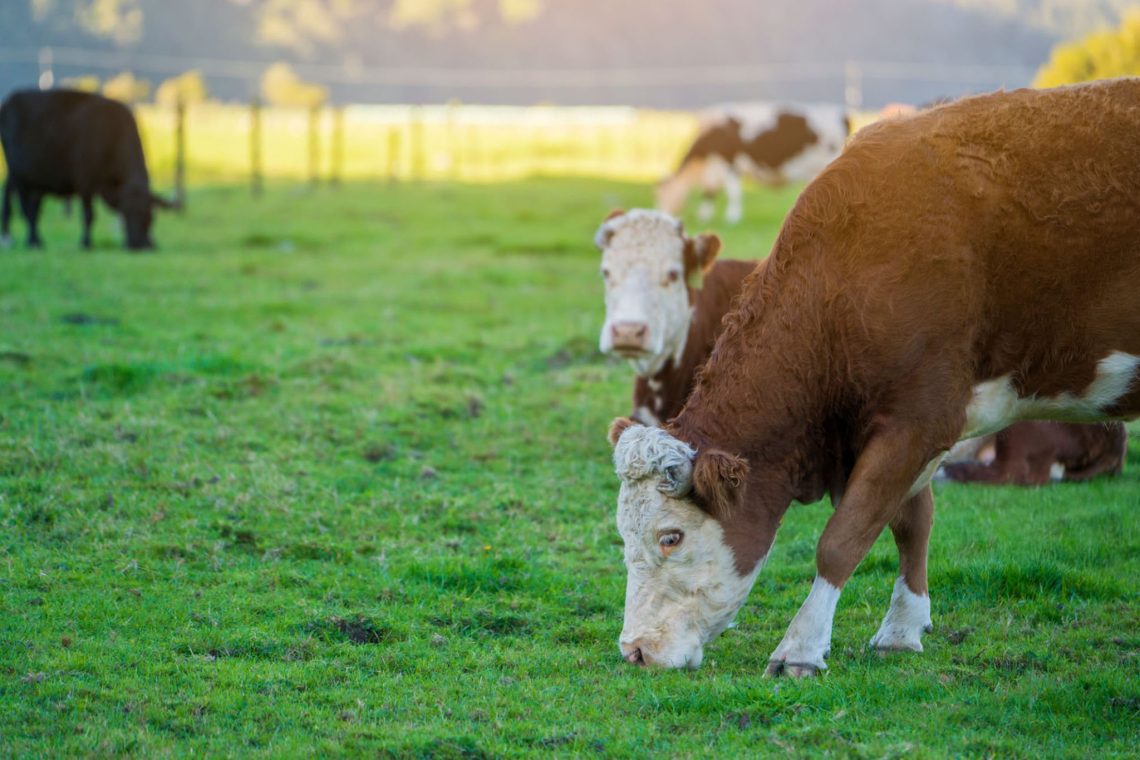
- Livestock begin selecting only high-quality patches
- Some areas get overused while others are ignored
- Recovery cycles become inconsistent
4. Plant Maturity Shift
Grass naturally transitions from:
- Vegetative (leafy, high nutrition)
→ to reproductive (taller, stemmy, lower quality)
Once this begins:
Growth may continue, but forage quality declines quickly.
The Most Common Mistake Ranchers Make
When growth changes, many ranchers focus only on how much grass they have.
But the real issue is:
How usable that grass has become.
Most management mistakes happen when ranchers:
- Continue using the same rotation schedule
- Assume more growth equals better grazing
- Delay adjusting stocking pressure
- Ignore subtle changes in forage quality
By the time problems become obvious, the pasture has already shifted into a lower-efficiency state.
The Early Warning Signs Most People Ignore
Before pasture performance drops, the land gives clear signals—if you know what to look for.
1. Grazing Becomes Uneven
Livestock begin:
- Avoiding mature patches
- Overgrazing preferred areas
- Leaving visible “islands” of grass
2. Regrowth Becomes Inconsistent
Some paddocks bounce back quickly while others stall. This indicates:
- Soil moisture differences
- Grazing imbalance
- Plant stress accumulation
3. Grass Structure Changes
Even if it stays green:
- Leaf growth decreases
- Stem production increases
- Overall palatability drops
4. Feed Efficiency Declines
You may notice:
- More grazing time required
- Less weight gain per acre
- Increased supplemental feeding needs
The Real Shift: From Growth to Efficiency
One of the biggest misunderstandings in ranching is assuming pasture success is based on growth speed.
In reality, the critical transition is this:
The system moves from rapid growth to efficiency-driven production.
That means:
- Not all growth is useful
- Not all green grass is high-quality forage
- Not all acreage contributes equally to herd performance
How to Respond When Grass Behavior Changes
Once you recognize the shift, the goal is not to fight it—but to adapt to it.
1. Adjust Rotation Speed Immediately
When growth slows or becomes uneven:
- Extend recovery times where needed
- Avoid returning to paddocks too early
- Match rotation to real regrowth, not schedule
2. Rebalance Grazing Pressure
If certain areas are being overused:
- Temporarily reduce pressure there
- Use rotational flexibility to redistribute grazing
- Prevent long-term damage to high-use zones
3. Prioritize Forage Quality Over Volume
Shift focus from:
- “How much grass is available?”
to - “How much of this grass is actually usable?”
This means:
- Grazing earlier in the maturity cycle
- Avoiding overly stemmy forage
- Keeping livestock on higher-quality regrowth
4. Monitor Micro-Variations Across Paddocks
Not all fields respond the same way.
Pay attention to:
- Soil type differences
- Drainage patterns
- Sun exposure
- Wind impact
These small differences drive large performance gaps.
5. Use Livestock as a Feedback System
Your herd is the most accurate indicator of pasture health.
Watch for:
- Changes in grazing preference
- Movement patterns across fields
- Time spent searching for feed
These behaviors reflect pasture condition more accurately than visual appearance.
Why This Transition Matters Long-Term
If unmanaged, this shift leads to:
- Reduced forage efficiency
- Patchy pasture utilization
- Increased feed costs
- Lower livestock performance
- Faster pasture degradation over time
But if managed correctly, it creates an opportunity:
To align grazing strategy with natural pasture cycles instead of fighting them.
The Mindset That Changes Everything
Most ranchers react to change after it happens.
High-performing operations do something different:
They adjust as soon as grass behavior starts to shift—not after productivity drops.
That means:
- Observing subtle changes early
- Responding before problems compound
- Treating pasture as a dynamic system, not a static resource
Final Thoughts
When grass growth suddenly changes behavior, it’s not random—and it’s not something to ignore.
It’s your pasture signaling a transition from peak growth to efficiency mode.
The ranchers who succeed long-term are the ones who recognize this shift early and adapt quickly:
- Adjusting rotation
- Balancing pressure
- Prioritizing forage quality
- Reading subtle environmental cues
Because in ranching, the biggest losses rarely come from what stops growing—
They come from what keeps growing, but no longer works the way it should.


You May Also Like
Cool-Season Crops That Thrive in October Soil
Fall Garden Gold: Cool-Season Crops Every Homesteader Should Plant