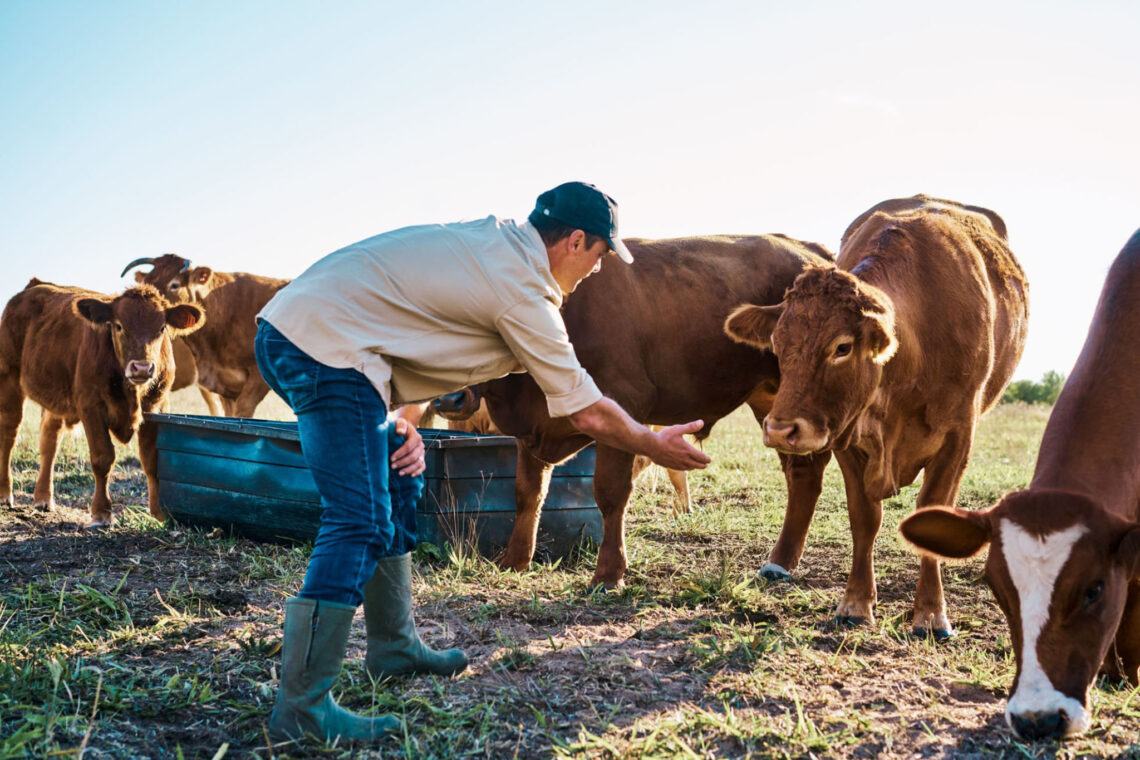
How to Fix the Most Common Grazing Mistake This Time of Year
As early summer settles in, many ranchers start noticing something frustrating: pastures that looked strong just weeks ago begin to underperform.
Grass is still there. Fields are still green.
But livestock performance drops, grazing becomes uneven, and recovery slows down.
What’s causing it?
In most cases, it comes down to one critical—and very common—mistake:
Letting grazing timing fall out of sync with grass growth.
This mistake is easy to miss, but it has a massive impact on pasture productivity, forage quality, and long-term land health.
What the “Most Common Grazing Mistake” Really Is
During late spring, grass grows rapidly and often masks management issues.
But as you move into early summer:
- Growth starts to slow or become uneven
- Plants mature faster
- Recovery periods become less predictable
If you continue grazing on the same schedule as before, you end up:
- Grazing too late (over-mature forage)
- Or grazing too early (weak regrowth)
In both cases, pasture efficiency drops—even if everything still looks green.
Why This Mistake Happens So Easily
1. Spring Growth Creates False Confidence
In peak spring:
- Grass grows fast enough to recover from mistakes
- Overgrazing damage is quickly hidden
- Rotation timing feels less critical
But that buffer disappears in early summer.
2. Fixed Rotation Schedules Stop Working
Many systems rely on:
- Set grazing days per paddock
- Pre-planned rotation timing
But as conditions shift:
- Some paddocks recover slower
- Others mature too fast
A fixed system can’t keep up with variable growth.
3. Visual Cues Become Misleading
A pasture can:
- Look tall and green
- But be nutritionally declining
Or:
- Look short
- But still be in a critical recovery phase
Without careful observation, timing decisions become inaccurate.
The Two Ways This Mistake Shows Up
Grazing Too Late
When you wait too long to rotate:
- Grass becomes stemmy and less digestible
- Livestock selectively graze only parts of the field
- Large portions go unused
Result:
High volume, low utilization.
Grazing Too Early
When you return before full recovery:
- Plants don’t have time to rebuild energy reserves
- Root systems weaken
- Long-term productivity declines
Result:
Short-term use, long-term damage.
The Real Impact on Your Operation
If this mistake continues unchecked, you’ll see:
- Reduced forage quality
- Uneven pasture utilization
- Increased need for supplemental feed
- Slower livestock weight gain
- Declining pasture resilience over time
And the worst part?
It often happens while the pasture still looks “healthy.”
How to Fix the Problem (Step-by-Step)
1. Shift from Schedule-Based to Condition-Based Grazing
Instead of asking:
- “How many days has it been?”
Start asking:
- “Is this pasture actually ready?”
Look for:
- Leaf regrowth stage
- Plant height relative to species
- Root recovery indicators
This ensures you’re grazing based on biology—not the calendar.
2. Target the Optimal Grazing Window
The best time to graze is when grass is:
- Leafy and actively growing
- Before seed heads fully develop
- At peak nutritional value
This window is shorter in early summer than in spring.
Missing it—even by a few days—reduces efficiency.
3. Adjust Rotation Speed Dynamically
As growth changes:
- Speed up rotation when grass matures quickly
- Slow down when recovery is delayed
This flexibility helps:
- Prevent over-maturity
- Protect regrowth cycles
4. Watch Livestock Behavior Closely
Your herd tells you more than your pasture does.
Pay attention to:
- Grazing patterns (uniform vs selective)
- Time spent feeding
- Movement across paddocks
If animals start:
- Avoiding areas
- Concentrating heavily in certain spots
It’s a sign your timing is off.
5. Manage Uneven Growth Proactively
In early summer, not all paddocks behave the same.
To maintain balance:
- Rotate uneven areas differently
- Clip or mow over-mature sections
- Reset pastures that got ahead of schedule
This keeps forage quality consistent across your land.
6. Protect Recovery Above All Else
If you’re unsure whether to graze:
Wait.
Healthy recovery is more important than immediate utilization.
Because once recovery is compromised:
- Productivity drops quickly
- And takes much longer to rebuild
The Mindset Shift That Solves the Problem
The biggest change successful ranchers make is this:
They stop managing time—and start managing plant growth stages.
Instead of:
- Following rigid systems
They:
- Observe
- Adapt
- Adjust in real time
This leads to:
- Better forage utilization
- Stronger regrowth
- More consistent livestock performance
Why This Matters Most Right Now
Early summer is a turning point.
This is when:
- Grass shifts from rapid growth to controlled production
- Mistakes start compounding instead of correcting themselves
- Efficiency becomes more important than abundance
If you fix your grazing timing now:
You set up the entire rest of the season for success.
Final Thoughts
The most common grazing mistake this time of year isn’t overstocking, poor soil, or lack of rain.
It’s simply being out of sync with how grass is growing right now.
The good news?
It’s also one of the easiest problems to fix—once you recognize it.
By:
- Grazing at the right stage
- Adjusting rotation dynamically
- Prioritizing recovery
- Watching livestock behavior
You can turn a struggling pasture into a highly efficient system.
Because in grazing management, success doesn’t come from having more grass—
It comes from using the right grass at the right time. 🌱🐄


You May Also Like

Leaf Litter or Compost Gold? Smart Ways to Use Fall Foliage

Best Boots for Wetland Restoration Work: Waterproof Footwear for Marshes, Mud, Stream Banks, and Conservation Projects