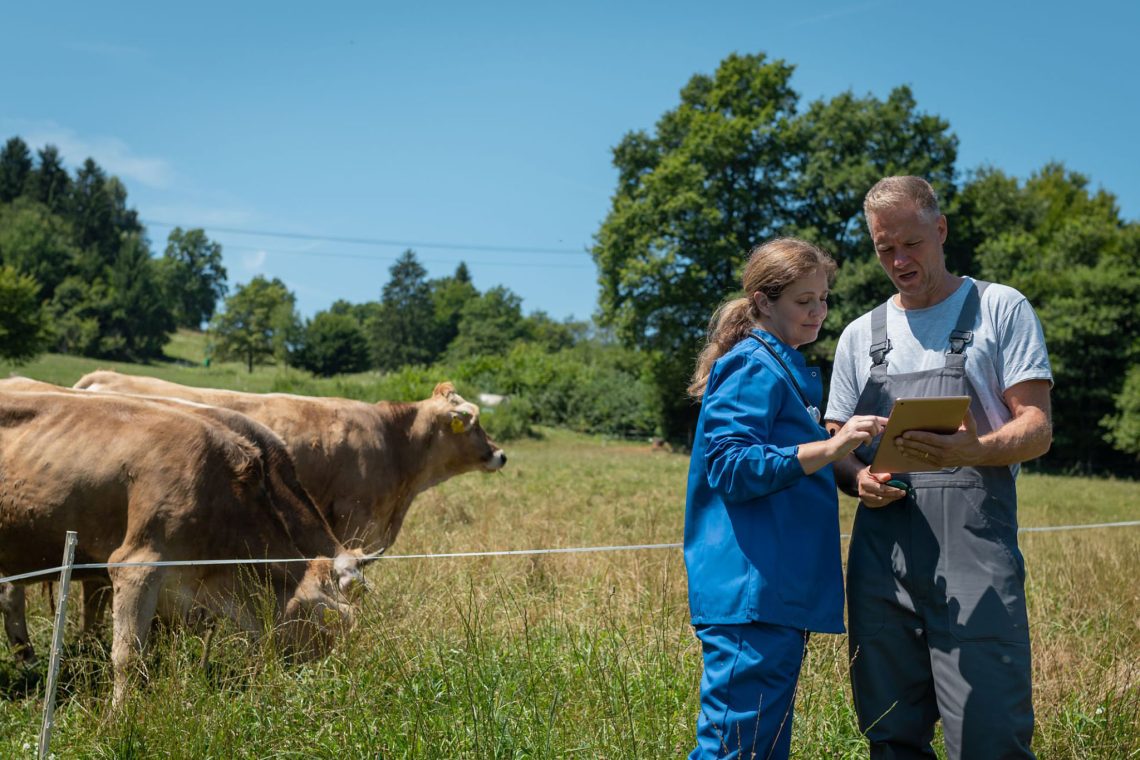
How to Prevent Pasture Burnout During Peak Summer Heat Stress
Across many ranches in the United States, summer is the most productive-looking season—but also one of the most damaging for long-term pasture health. At first glance, grass appears abundant and green, and livestock seem to have plenty to graze. But beneath the surface, peak summer heat stress quietly weakens pasture systems, leading to slower regrowth, declining forage quality, and long-term productivity loss.
This phenomenon is often referred to as pasture burnout—a gradual breakdown of grass resilience caused by heat, overgrazing pressure, and soil stress.
Preventing it requires more than watering or rotating animals. It requires a system-based approach that manages heat, rest cycles, and soil recovery together.
What Is Pasture Burnout?
Pasture burnout happens when grassland systems lose their ability to recover efficiently between grazing cycles during sustained high temperatures.
It is caused by a combination of:
- Soil overheating
- Reduced plant photosynthesis efficiency
- Slower root regeneration
- Continuous grazing pressure
- Moisture evaporation imbalance
Key Insight: Burnout is not sudden—it builds gradually over weeks of summer stress.
Why Summer Heat Accelerates Pasture Decline
1. Grass Growth Shifts From Expansion to Survival
When temperatures rise:
- Plants reduce vertical growth
- Energy is redirected to survival processes
- Root development slows significantly
Even if grass appears green, internal growth activity is reduced.
2. Soil Temperature Becomes a Limiting Factor
Hot soil conditions:
- Reduce microbial activity
- Slow nutrient cycling
- Decrease water retention efficiency
This directly affects how fast pastures recover after grazing.
3. Evaporation Outpaces Natural Recovery
In peak summer:
- Surface moisture disappears quickly
- Shallow roots dry out faster
- Grazed areas take longer to regenerate
This creates uneven pasture regrowth patterns.
Step 1: Implement Strategic Rest Periods (Not Just Rotation)
Many ranchers rotate livestock regularly, but rotation alone is not enough in summer.
Effective summer strategy:
- Extend rest periods during heat waves
- Allow full regrowth cycles before re-entry
- Avoid fixed-time rotation schedules
Key Insight: In summer, recovery time matters more than movement frequency.
Step 2: Use High-Density, Short-Duration Grazing
Controlled grazing pressure can actually protect pastures.
Benefits of short-duration grazing:
- Prevents selective overgrazing
- Encourages uniform regrowth
- Reduces long-term plant stress
Best practice:
- High stock density for short time windows
- Immediate rest after grazing event
Step 3: Manage Shade Distribution Across Paddocks
Heat stress affects both livestock and grass simultaneously.
Without shade:
- Livestock cluster in limited areas
- Overgrazing occurs in cooler zones
- Soil compaction increases
With proper shade:
- Animal movement becomes more balanced
- Grazing pressure spreads evenly
- Heat stress is reduced overall
Step 4: Protect Soil Moisture and Temperature Balance
Soil condition is the foundation of pasture recovery.
Key strategies:
- Maintain ground cover at all times
- Avoid exposing bare soil after grazing
- Encourage organic matter retention
Why it matters:
Healthy soil = faster regrowth even in heat.
Step 5: Monitor Forage Quality, Not Just Quantity
In summer, grass can look abundant but lose nutritional value.
Common issues:
- Lower protein levels
- Increased fiber content
- Reduced digestibility
Key Insight: A full pasture does not guarantee productive forage.
Step 6: Adjust Stocking Rates Dynamically
Fixed stocking rates often fail in summer conditions.
Better approach:
- Reduce pressure during drought or heat spikes
- Increase flexibility based on regrowth speed
- Shift animals between paddocks more frequently if needed
Step 7: Prevent Overgrazing at the “Regrowth Edge”
One of the most damaging summer mistakes is grazing too early during regrowth.
Signs of overgrazed recovery zones:
- Uneven grass height
- Patchy regrowth patterns
- Weak root regeneration
Once this cycle begins, recovery slows dramatically.
Step 8: Improve Water Distribution Systems
Water access directly affects grazing patterns.
Common problems:
- Livestock overuse areas near single water points
- Uneven pasture pressure distribution
- Increased soil compaction near water zones
Solution:
- Multiple water access points
- Portable or distributed watering systems
- Even spacing across grazing areas
Step 9: Recognize Early Signs of Pasture Burnout
Early detection is critical.
Warning signs:
- Slower regrowth after grazing
- Grass staying short for longer periods
- Increased bare soil exposure
- Livestock spending more time resting than grazing
Common Mistakes in Summer Pasture Management
1. Rotating too quickly without recovery tracking
This prevents full regrowth cycles.
2. Ignoring soil temperature effects
Hot soil slows recovery even if moisture is present.
3. Overestimating visible grass abundance
Appearance does not equal productivity.
4. Concentrating livestock in shaded or watered areas
This creates uneven pasture pressure.
Real-World Example
A ranch in a hot summer region notices declining weight gain in cattle despite visually healthy pastures.
After evaluation:
- Certain paddocks are recovering more slowly
- Livestock cluster near water sources
- Soil in high-use areas is compacted and dry
After adjustments:
- Rotation intervals are extended
- Water points are redistributed
- High-density short grazing is introduced
- Shade access is improved
Within weeks:
- Regrowth becomes more consistent
- Grazing pressure evens out
- Forage quality stabilizes
Why it worked: The system addressed heat stress as a structural issue, not just a surface condition.
Final Thoughts
Preventing pasture burnout during peak summer heat is not about reacting to visible damage—it is about managing the invisible systems that control regrowth.
Heat, soil temperature, grazing pressure, and recovery time all interact to determine whether a pasture remains productive or slowly declines throughout the season.
A resilient grazing system is not built on constant adjustment, but on controlled pressure, adequate rest, and heat-aware management cycles.
Because in summer ranching, long-term productivity doesn’t depend on how much grass you see—
it depends on how well that grass can recover under stress.


You May Also Like
The Workhorse You Didn’t Know You Needed: Why Trudave Rain Boots Are the Multi-Season Essential for Life Beyond Pavement
Reviving Tired Fields: Overseeding and Fertilizing Pastures Before Frost