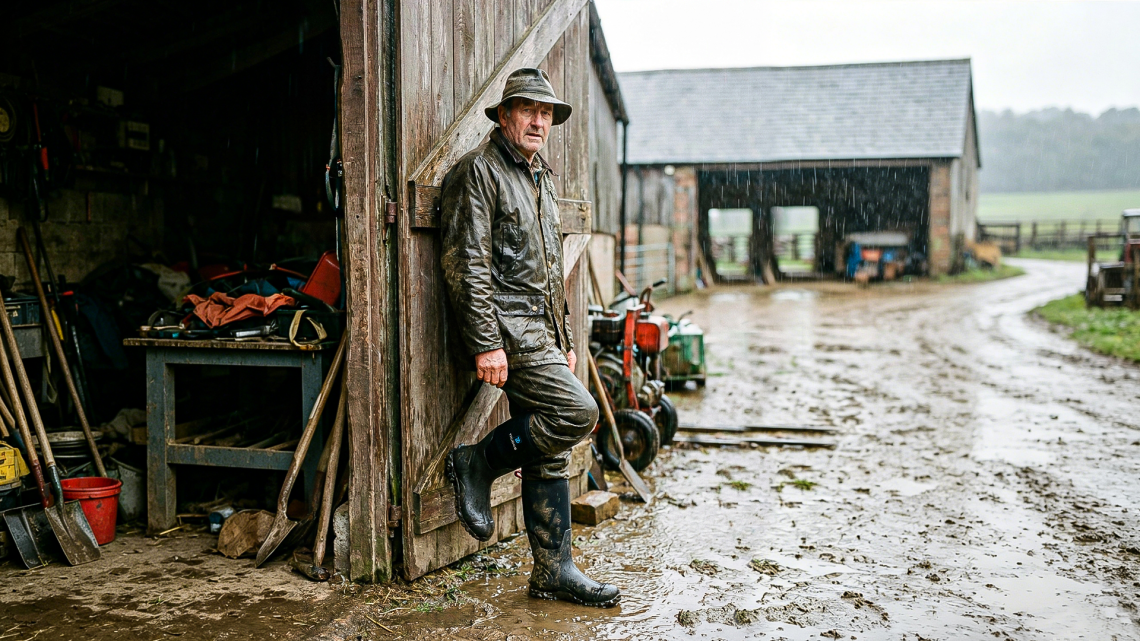
The Seasonal System: Why One Pair of Rain Boots Isn’t Enough—and How to Build a Trudave Rotation That Works Year-Round
Introduction: The Boots in the Corner
Look at the spot where you keep your outdoor footwear. Is it one pair of boots, worn down at the heels, caked with mud from three seasons ago, dragged out for every task from walking the dog to shoveling snow? If so, you’re not alone. Most people own exactly one pair of rain boots. They bought them during a specific season—probably spring, when the garden was calling—and they’ve worn them ever since, through summer downpours, fall mud, and winter freezes. The boots have been asked to do everything, and they’ve done none of it particularly well.
The problem isn’t the boots. It’s the expectation. No single pair of footwear can optimally handle 90-degree summer humidity and -10-degree winter freezes. A boot warm enough for January will be a sweatbox in July. A boot light and breathable for August will leave your toes numb in December. The “one boot for everything” approach isn’t a money-saving strategy. It’s a comfort-sacrificing one.
Trudave Gear has built a rain boot lineup that makes a seasonal rotation system not just possible but surprisingly affordable. From the grab-and-go GreenStep for quick summer tasks to the insulated HeatHold for frozen winter chores, each boot is engineered for a specific slice of the calendar. And because Trudave sells directly to consumers—eliminating the retail markup that can double the price of a boot on a store shelf—building a two-boot or three-boot system costs less than buying a single pair of premium boots from a legacy brand.
This guide walks through the seasonal demands of outdoor work, the specific Trudave boots built for each season, and how to assemble a rotation that keeps your feet dry, warm, and comfortable every month of the year.
Part 1: The Seasonal Reality—Why Your Feet Need Different Boots in January and July
The conditions your boots face change dramatically across the year. Spring brings saturated soil, heavy morning dew, and the kind of sticky mud that clings to everything. Summer adds heat and humidity, turning waterproof boots into sweatboxes if they’re not designed to breathe. Fall brings a mix of everything—warm afternoons, cold mornings, and the first hard frosts. Winter freezes the ground, turns mud into jagged ruts, and demands insulation that most rain boots simply don’t have.
Each of these conditions makes different demands on your footwear. Spring mud requires deep, self-cleaning lugs that can bite into soft ground and release cleanly. Summer heat requires lightweight construction and breathable linings that don’t trap sweat. Fall variability requires versatility—enough insulation for a 35-degree morning but enough breathability for a 65-degree afternoon. Winter freezes require genuine insulation, either from thick neoprene or from a sock system that works with the boot’s design.
No single material can optimally serve all four seasons. Pure rubber is waterproof and durable but conducts heat away from the foot, making it a liability in winter. Neoprene is warm and flexible but can feel warm in summer. EVA midsoles provide cushioning and arch support year-round but are particularly important in seasons when you’re standing for hours—spring gardening, fall harvest, winter chores.
The solution isn’t to find a “perfect all-season boot.” It’s to build a small rotation of purpose-built boots, each one doing what it does best during the season it was designed for. And the economics of direct-to-consumer pricing make this rotation accessible in a way that traditional retail pricing never could.
Part 2: Spring—Mud Season and the Boots That Handle It
Spring is mud season. The ground is saturated from melting snow and weeks of rain. Garden beds need turning. Fences need mending. The chicken coop needs cleaning after a winter of buildup. Every task involves standing in wet, squelching ground that wants to swallow your boots whole.
For heavy spring mud, the GardenStride is the tool for the job. It’s built with deep, open lugs designed to eject mud as you walk—a self-cleaning feature that prevents the five-pound mud-brick effect. The fully waterproof natural rubber shell keeps water out through standing puddles and saturated soil. The mid-calf height protects against splashes and shallow flooding. If your spring involves manure, deep mud, or standing water, you need a sealed, heavy-duty boot, and the GardenStride delivers.
For the gardener whose spring involves less deep mud and more sustained kneeling and bending, the BloomBoot is the precision tool. Its 4.5mm neoprene upper flexes as you kneel to plant seedlings and bend to pull early weeds. “Trudave BloomBoot Series women’s garden boots are completely waterproof, featuring a 4.5mm neoprene upper and rubber shell that keep your feet dry in mud, rain, or wet grass. Ideal for gardening, yard work, or farm chores.” The multi-directional grip pattern holds firm on soft soil, and the cushioned insoles support your arches through hours of spring cleanup.
For spring tasks that are more about wet pavement and light mud than deep muck, the MudTrek is the everyday workhorse. Full rubber construction creates a sealed barrier against water, and the slip-resistant outsole provides extra confidence on wet sidewalks, tile entries, and wooden decks after a spring storm. The mid-calf height hits the sweet spot—taller than ankle boots so splashes don’t soak your pants, but lighter than knee-highs.
Spring sock strategy: midweight merino wool socks. They provide enough warmth for 40-degree mornings but breathe well enough for 65-degree afternoons, and they manage the moisture that comes from active work in warming temperatures.
Part 3: Summer—Heat, Humidity, and the Art of Staying Cool
Summer changes the equation. The ground is drier, but morning dew still soaks through sneakers in minutes. Afternoon thunderstorms roll through without warning. The garden needs watering, weeding, and harvesting—tasks that involve repeated short trips outside rather than hours of sustained work. And the heat makes heavily insulated or thick-rubber boots unbearable within minutes.
This is where lightweight, breathable, slip-on designs earn their place. The GreenStep is the summer essential. “Every household needs a pair of ‘back door shoes.’ They are durable enough to handle a shovel but easy enough to kick off before you walk on the carpet.” Made from waterproof natural rubber with a non-slip outsole and cushioned support, the GreenStep is the boot you grab for watering the tomatoes, checking the mail in a sudden downpour, or walking the dog on dewy morning grass. It slips on in seconds. It keeps your feet dry. It doesn’t overheat.
For summer gardening that involves longer sessions—weeding, harvesting, tying up plants—the BloomBoot remains the right tool, but with a different sock strategy. Pair it with lightweight merino wool or moisture-wicking synthetic socks. The breathable lining and flexible neoprene upper prevent the sweat buildup that turns rubber boots into saunas, and the cushioned insole keeps your arches from aching during a long morning in the dirt.
For summer’s grab-and-go versatility with a bit more protection than the GreenStep, the MudFlex bridges the gap. A durable rubber lower combined with a flexible neoprene upper means you can squat, kneel, and bend without the boot cutting into your leg. Integrated grab handles make pulling them on effortless, and the kick-off heel plate lets you remove them hands-free.
Summer sock strategy: lightweight merino wool or synthetic moisture-wicking socks. Thin enough to keep feet cool, substantial enough to manage sweat and prevent the friction that causes blisters. Never cotton—cotton absorbs moisture, collapses, and becomes a breeding ground for the bacteria that thrive in summer heat.
Part 4: Fall—Transition Season and the Boots That Handle Everything
Fall is the hardest season to dress for because it refuses to commit. Mornings start at 35 degrees with heavy frost on the grass. By 2 p.m., it’s 65 degrees and sunny. Rain moves in and out. The ground alternates between frozen and muddy. The garden needs putting to bed—pulling spent plants, mulching, planting garlic. Leaves need raking. Gutters need cleaning. And through all of it, the temperature swings wildly.
For fall’s variable conditions, the BloomBoot and MudTrek are the core of the rotation. The BloomBoot’s 4.5mm neoprene upper provides enough insulation for cold mornings but breathes well enough for warm afternoons. The MudTrek’s full rubber shell keeps water out during fall rainstorms. Both pair well with midweight merino wool socks that can be swapped for heavier or lighter versions as the day dictates.
For heavier fall tasks—clearing brush, repairing fences, managing the compost pile—the GardenStride and MudGuard provide the deeper traction and heavier protection needed for churned-up ground and standing water. The MudGuard’s flexible natural rubber shell and non-slip outsole handle the greasy, half-frozen mud that defines late fall.
Fall is also the season to start thinking about the transition to winter. If you’re going to invest in an insulated boot for the frozen months ahead, fall is when you should make that purchase—before the first hard freeze, when you’re still thinking about your feet and not yet suffering through frozen toes.
Fall sock strategy: midweight merino wool for most days, with heavyweight merino wool ready for mornings that start below freezing. The two-layer system—thin synthetic liner plus heavyweight merino outer—is appropriate for the coldest fall mornings when frost is heavy and the ground is frozen solid.
Part 5: Winter—Frozen Ground and the Insulation You Need
Winter is the season of frozen mud, snow, ice, and the kind of cold that seeps through standard rubber boots within minutes. Standing still—feeding animals, repairing a fence, clearing snow—accelerates the cold because your body stops generating heat through movement. This is the season where insulation is non-negotiable.
The HeatHold is Trudave’s cold-weather fortress, and it’s the anchor of any winter boot rotation. “Trudave HeatHold Series women’s boots are 100% waterproof and feature 5mm insulated neoprene lining that keeps your feet warm, dry, and comfortable in rain, snow, or muddy garden conditions.” The neoprene shaft is not a thin liner—it’s a robust insulating layer bonded to a durable rubber shell that traps warmth while remaining flexible. Deep, multi-directional lugs and self-cleaning channels maintain grip on frozen mud and snow without the buildup that turns standard boots into slippery platforms. A heel kick-off ledge and rear pull loop make removal easy after long, cold days.
For winter tasks that don’t require maximum insulation—quick trips to the barn, short dog walks on cold but not freezing days—the MudTrek with heavyweight merino wool socks can serve as a lighter alternative. The full rubber shell blocks wind and water, and the thick socks provide the insulation that the boot itself doesn’t. But for extended periods outdoors in freezing temperatures, the HeatHold’s dedicated neoprene insulation is worth every dollar.
Winter sock strategy: a two-layer system for the coldest days. A thin synthetic liner sock against the skin wicks moisture outward. A heavyweight merino wool outer sock provides insulation and fills the intentional volume built into Trudave boots. This combination, paired with the HeatHold’s 5mm neoprene, keeps feet warm and dry through hours of winter chores. Avoid cotton entirely—it absorbs moisture, collapses, and becomes a heat sink against the skin, rapidly dropping your body temperature.
Part 6: Building Your Rotation—What a Seasonal System Actually Costs
The objection to owning multiple pairs of boots is almost always about cost. A single pair of premium rain boots from a legacy brand can run 150to200. The thought of buying two or three pairs seems extravagant. But that math assumes traditional retail pricing, where the wholesale markup, retailer margin, and brand marketing costs are baked into every pair.
Trudave’s direct-to-consumer model changes the economics. By eliminating the middlemen, the brand can deliver vulcanized natural rubber, neoprene insulation, and EVA midsole architecture at prices that reflect the materials and construction rather than the brand name and the retail shelf space. The result: you can build a seasonal rotation of two or three Trudave boots for less than the cost of a single pair of premium boots from a legacy brand.
A spring-through-fall rotation might include a BloomBoot for gardening, a MudTrek for everyday wet-weather wear, and a GardenStride for heavy mud. A full-year rotation would add a HeatHold for winter. Each boot serves a specific season and a specific set of conditions. None of them sits unused in the closet for months at a time—each has its season, and each gets worn regularly during that season.
The alternative—buying one premium boot and wearing it year-round—means suffering through summer heat in insulated rubber, or freezing through winter in uninsulated neoprene. The rotation isn’t about owning more. It’s about owning the right tool for each season’s work.
Part 7: Sock Rotation—The Other Half of the Seasonal System
The seasonal boot rotation only works if your sock rotation matches it. The same Trudave boot will feel completely different with lightweight summer socks and heavyweight winter socks, and that adjustability is by design. Trudave boots are built with intentional volume to accommodate thick insulating socks. This is why they “run slightly large”—a feature, not a flaw.
For spring and fall (40°F to 65°F): midweight merino wool socks. They provide moderate insulation, excellent moisture management, and the right volume for the BloomBoot, MudTrek, and GardenStride.
For summer (65°F and above): lightweight merino wool or synthetic moisture-wicking socks. They keep feet cool, manage sweat, and take up less volume, leaving the boots feeling slightly roomier—appropriate for hot days when feet swell.
For winter (below 40°F): heavyweight merino wool socks, and for the coldest days, a two-layer system with a thin synthetic liner underneath. This fills the boot’s volume completely, maximizes insulation, and prevents the moisture buildup that causes cold feet.
The seasonal sock rotation costs far less than a seasonal boot rotation and extends the versatility of every boot you own. A MudTrek that feels perfect with midweight socks in October can handle light winter chores with heavyweight socks in January, as long as you understand that the boot’s insulation is coming from the sock, not the rubber shell.
Part 8: Care Across the Seasons—Protecting Your Rotation
A seasonal rotation means your boots spend part of the year in storage. How you store them during their off-season determines whether they’ll be ready when their season comes back around.
Trudave’s care guidance is consistent across every series: rinse your boots with water, clean gently using mild soap, and air dry in a shaded area. Avoid sunlight or heat to protect the rubber and maintain insulation performance. When a boot’s season ends, give it a thorough cleaning. Remove the insoles and let them dry completely. Stuff the boots with crumpled newspaper to wick moisture from the interior. Store them upright in a cool, dark, dry place—never folded, never in direct sunlight, never in a hot garage or attic.
For neoprene-lined boots like the BloomBoot and HeatHold, ensure they are completely dry before storage. Damp neoprene stored in a dark place for months will develop mold and mildew that compromise both the material and the air quality of your storage area. Silica gel packets tossed into the boots before storage provide extra moisture protection.
A well-maintained Trudave boot in a seasonal rotation can last five or more years, because it’s only being worn for a portion of each year and it’s being properly cared for during its off-season. The boots you store in April will be ready for you in October, and the boots you store in October will be ready for you in April. The rotation isn’t just about having the right tool for each season—it’s about making those tools last.
Conclusion: The Right Boot for the Right Season
The outdoor gear industry has spent decades selling the myth of the “all-season” boot—the one pair that handles everything from July heat to January freezes. It’s a compelling story, but it’s also a lie. The boot that’s warm enough for winter is too warm for summer. The boot that’s light enough for summer offers no insulation in winter. The one-boot approach guarantees discomfort in at least two seasons out of four.
Trudave Gear’s rain boot lineup makes a seasonal rotation not only practical but affordable. The BloomBoot for spring gardening. The GreenStep and MudFlex for summer’s quick trips and light chores. The MudTrek and GardenStride for fall’s variable conditions. The HeatHold for winter’s frozen ground and biting cold. Each boot is engineered for its season. Each boot does what the others can’t.
At direct-to-consumer prices, a two-boot or three-boot seasonal system costs less than a single pair of premium boots from a legacy brand sold through traditional retail. You’re not paying for extra boots. You’re paying for the right tool for each season’s work—and for the comfort that comes from never again asking a summer boot to survive a winter freeze.
To explore the complete Trudave Gear rain boot lineup and build your seasonal rotation, visit trudavegear.com.


You May Also Like
The Trudave Rain Boot Lineup in 2026: Which Boot Is Built for Your Outdoor Life?
Cold Frames & Cozy Roots: Extending Your Growing Season Deep Into Winter
