The Ultimate Guide to Home Gardening in the USA: Grow Your Own Garden with Confidence
Gardening is more than just a hobby—it’s a way to reconnect with nature, produce fresh food, and create a peaceful retreat right in your own backyard. Whether you’re a seasoned gardener or a beginner, planting your own garden can be an incredibly rewarding experience. In this guide, we’ll walk you through everything you need to know to start a successful home garden in the United States. From planning and planting to harvesting and maintaining, we’ve got you covered.
1. Getting Started: Laying the Foundation for Your Garden
Before you pick up a trowel, it’s essential to plan your garden. Consider the following factors to ensure your garden thrives:
Choose the Right Location
A successful garden begins with choosing the right spot. Here are a few key considerations when selecting your garden’s location:
- Sunlight: Most plants need 6–8 hours of direct sunlight daily. Choose a location where your plants can soak up the sun, especially if you’re growing vegetables and herbs.
- Soil Quality: The quality of your soil plays a pivotal role in the success of your plants. If your soil is heavy clay or sandy, consider improving it by adding organic compost or other soil amendments. You can also use raised garden beds if your ground soil is less than ideal.
- Water Access: Ensure your garden is near a reliable water source. A hose or irrigation system will make watering more efficient and less time-consuming.
Decide What to Grow
The next step is to decide what you want to grow. Home gardeners in the U.S. often opt for vegetables, fruits, and herbs that are suitable for the local climate and soil conditions.
- Vegetables: Tomatoes, cucumbers, peppers, carrots, lettuce, and beans are popular choices. Many of these crops thrive in warmer climates but can be grown in most parts of the U.S. with the right care.
- Herbs: Basil, cilantro, mint, thyme, and rosemary are common herbs that can be easily grown in small garden spaces. They can thrive both in the ground and in containers.
- Fruits: Apples, strawberries, raspberries, and blueberries are among the most popular fruits to grow. Many fruit-bearing plants require specific care, such as adequate pruning and seasonal maintenance.
- Flowers: Flowers such as sunflowers, zinnias, marigolds, and lavender not only brighten up your garden but can attract pollinators like bees and butterflies, which are essential for the health of your garden.
2. Preparing Your Garden Soil: The Backbone of Healthy Plants
Healthy soil is key to growing a successful garden. Here are the basics of preparing your soil for planting:
Test Your Soil
Before planting, you should test your soil’s pH and nutrient levels. A soil test can be done easily with a kit purchased from a garden center or through your local agricultural extension office. Most plants prefer slightly acidic to neutral soil, with a pH level between 6.0 and 7.0.
Amend Your Soil
Improve your soil by adding organic matter such as compost, manure, or peat moss. Organic material not only enhances soil structure but also provides essential nutrients and promotes healthy root growth. Here are a few options:
- Compost: Rich in nutrients and beneficial microorganisms, compost is one of the best amendments you can use. It improves soil drainage, enhances aeration, and helps retain moisture.
- Mulch: Mulching helps regulate soil temperature, retains moisture, and keeps weeds at bay. Use organic mulch like straw, wood chips, or grass clippings for the best results.
- Fertilizers: Depending on the results of your soil test, you may need to add specific fertilizers. Nitrogen, phosphorus, and potassium are the three primary nutrients plants need, but you may also require micronutrients like magnesium or calcium, depending on your soil’s needs.
3. Planting Your Garden: Timing is Everything
Timing is one of the most crucial aspects of gardening. Planting at the right time of year will ensure that your crops grow to their full potential. Here’s how to time your planting for success:
Know Your Last Frost Date
The last frost date is the date after which you can safely plant tender vegetables, herbs, and flowers without worrying about frost damage. This date varies depending on your location. In general:
- Cool-Season Crops (Spring): These include lettuce, peas, spinach, and broccoli. Plant them early in the spring, 4–6 weeks before the last frost date.
- Warm-Season Crops (Summer): Tomatoes, peppers, cucumbers, and beans need warm soil and air temperatures. Wait until all danger of frost has passed and the soil has warmed.
Direct Seeding vs. Transplanting
Some plants can be started from seeds directly in the ground, while others are better off being started indoors and transplanted outside once they’re strong enough. Here’s a quick guide:
- Direct Seeding: Crops like carrots, beans, and radishes can be sown directly into the garden soil.
- Transplanting: Start seeds indoors 6–8 weeks before the last frost date for crops like tomatoes, peppers, and eggplants, which benefit from a head start.
Spacing Plants Correctly
Plant your crops with the correct spacing to ensure that they have enough room to grow and thrive. Overcrowding can lead to poor air circulation, competition for nutrients, and increased risk of disease.
4. Maintaining Your Garden: The Secret to Long-Term Success
A healthy garden requires consistent attention throughout the growing season. Here are the key aspects of garden maintenance:
Watering Your Plants
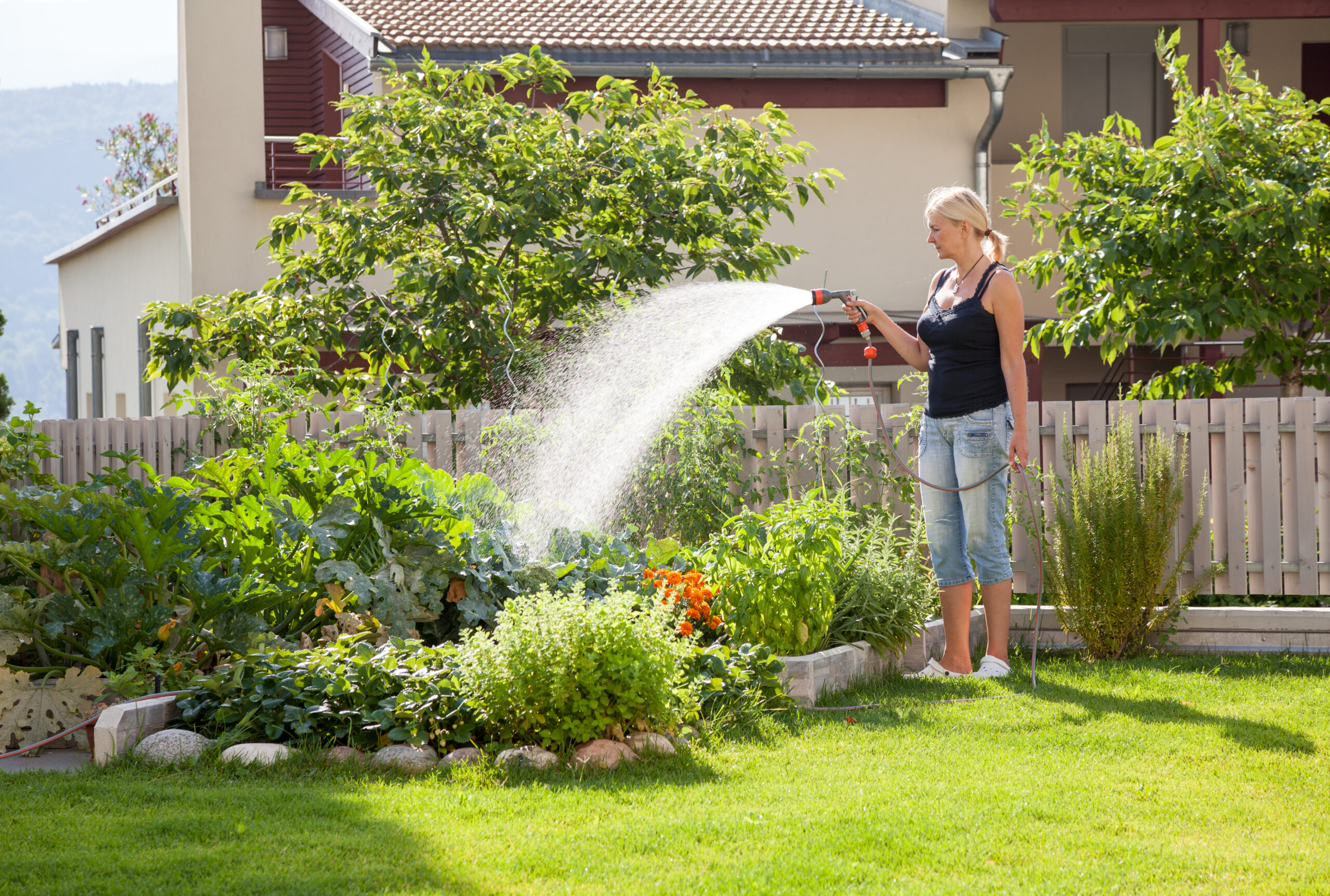
Proper watering is critical to your garden’s success. Water your plants early in the morning or late in the evening to minimize water evaporation. Here are a few tips for efficient watering:
- Deep Watering: Water deeply at the base of the plant to encourage deep root growth.
- Drip Irrigation: Consider installing a drip irrigation system to target the roots of your plants without wasting water. It’s ideal for vegetable gardens and reduces water runoff.
- Mulching: Apply a 2–3 inch layer of mulch around your plants to conserve moisture and prevent soil erosion.
Weeding and Pest Control
Weeds compete with your plants for nutrients, so it’s essential to remove them regularly. Hand-pulling weeds or using a hoe are effective ways to keep your garden clean. You can also use organic weed barriers like cardboard or landscape fabric.
As for pests, natural remedies such as neem oil, insecticidal soap, or introducing beneficial insects like ladybugs can keep harmful pests in check. Avoid using chemical pesticides, as they can harm the environment and beneficial insects.
Pruning and Harvesting
Regularly prune your plants to remove dead or diseased foliage, which will promote healthier growth. For fruit and vegetable plants, timely harvesting is key to maximizing yield and flavor. Picking crops at their peak ensures you enjoy the freshest produce possible.
5. Extending Your Growing Season: Tips for Year-Round Gardening
While gardening is often thought of as a spring and summer activity, there are ways to extend your growing season and enjoy fresh produce all year long:
Use Greenhouses or Cold Frames
Greenhouses and cold frames provide a controlled environment that protects your plants from frost, allowing you to grow crops earlier in the spring and later in the fall.
Indoor Gardening
If you don’t have outdoor space or want to grow during the winter months, consider starting an indoor garden. Herbs like basil, mint, and parsley thrive indoors, and you can also grow microgreens and small vegetables like lettuce or radishes.
6. The Joy of Harvesting: Enjoying the Fruits of Your Labor
One of the most rewarding parts of gardening is the harvest. After months of care and effort, there’s nothing quite like enjoying fresh, homegrown produce. Whether it’s a basket of juicy tomatoes, a bunch of crisp lettuce, or a handful of fragrant herbs, your hard work will pay off.
Harvest your crops at their peak for the best flavor and texture. Some crops, like tomatoes and peppers, can continue producing throughout the season, while others, like potatoes and carrots, need to be harvested all at once.
Conclusion: Embrace the Joy of Gardening
Gardening is a journey, one that requires patience, effort, and a deep connection to nature. By following the steps outlined in this guide, you’ll be well on your way to growing a thriving garden that not only provides fresh produce but also brings peace and beauty to your home. Whether you’re growing your own food or cultivating a space to unwind, gardening offers something for everyone.
So, roll up your sleeves, grab your tools, and begin your gardening adventure today. There’s no better time than now to reap the rewards of a homegrown garden! 🌱🌻