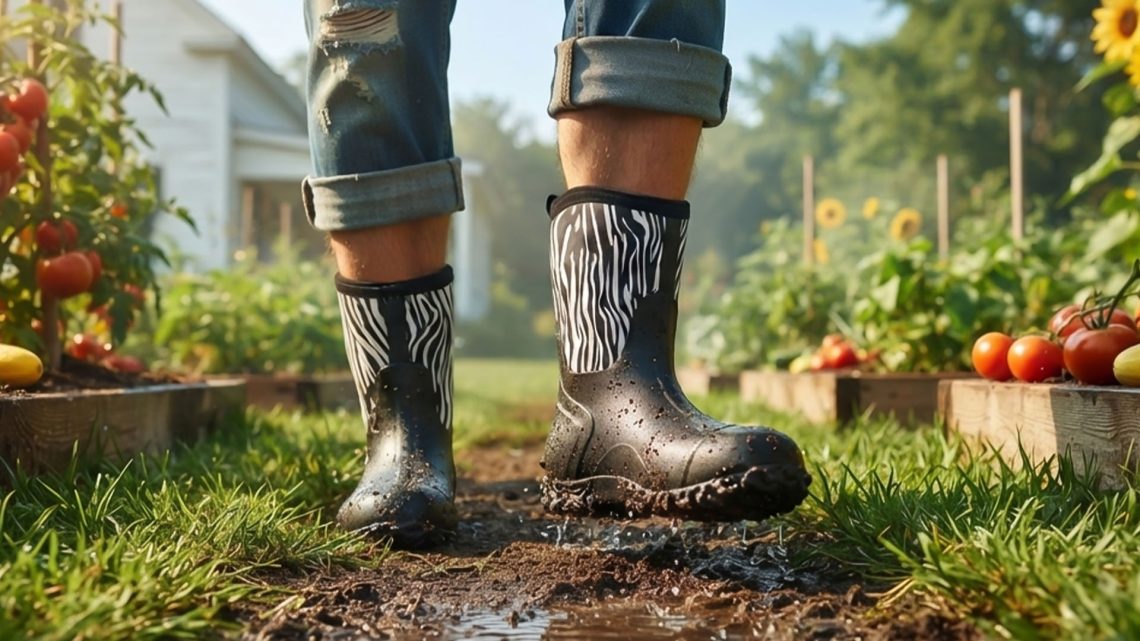
Best Rain Boots for Wet Grass: What to Look for Before You Buy
Walking through wet grass can soak your feet faster than many people expect.
You do not need heavy rain, deep puddles, or flooded terrain to end up with wet socks.
Morning dew, recently watered fields, tall vegetation, and rain-soaked lawns can continuously brush against your footwear as you walk. After enough exposure, shoes that seem water-resistant around town may allow moisture to reach your socks.
For hunters, farmers, dog owners, landscapers, anglers, and anyone who regularly spends time outdoors, choosing the right footwear for wet grass can make the difference between staying comfortable and spending the rest of the day with cold, damp feet.
The best rain boots for wet grass should provide reliable waterproof protection, practical traction, comfortable support, and enough coverage for the environment.
However, the tallest or heaviest boot is not always the best choice.
This guide explains what to look for when choosing rain boots for wet grass, muddy fields, morning dew, hunting property, and everyday outdoor use.
Why Does Wet Grass Soak Shoes So Quickly?
Wet grass creates a different footwear challenge from walking through a puddle.
When you step into shallow water, the exposure may last only a few seconds.
Walking through wet vegetation creates continuous contact.
Thousands of blades of grass repeatedly brush against the toe box, sides, tongue, seams, and upper portion of your footwear.
If your shoes use water-resistant materials but have vulnerable seams or breathable mesh panels, moisture may eventually work its way inside.
Tall grass creates an even greater problem.
Water can reach above the ankle and enter through openings that would normally stay dry during light rain.
This is why footwear for wet grass should be selected based on both waterproof construction and boot height.
Are Regular Hiking Boots Good for Wet Grass?
Waterproof hiking boots can work well for short walks through wet grass.
They provide better ankle support and walking comfort than traditional rubber boots in many situations.
However, there are limitations.
Hiking boots often use multiple materials, seams, laces, tongues, and panels.
These features can improve flexibility and comfort, but they also create additional areas where water may eventually enter.
The lower boot height can also allow wet vegetation to soak your pants and socks.
If you regularly walk through tall grass, muddy fields, hunting property, or heavily saturated vegetation, rubber or waterproof pull-on boots may provide better protection.
The best choice depends on walking distance, terrain, and the amount of water exposure.
What Makes a Good Rain Boot for Wet Grass?
A good rain boot for wet grass needs more than basic waterproofing.
Several features affect performance.
Fully Waterproof Construction
The most important feature is reliable waterproof protection.
Water-resistant footwear may handle brief exposure to moisture.
However, walking through wet grass for several hours creates continuous contact.
Look for boots designed specifically for wet environments.
Rubber construction and other waterproof materials can provide a stronger barrier against repeated moisture exposure.
Appropriate Boot Height
Boot height determines how much of your lower leg remains protected.
Ankle-height waterproof boots may work for short grass and light rain.
Mid-calf boots provide additional protection for taller vegetation and muddy conditions.
Tall rubber boots offer maximum coverage for hunters, farmers, and outdoor workers walking through soaked fields.
Choose the height based on the vegetation and terrain you regularly encounter.
Reliable Traction
Wet grass can become extremely slippery.
The problem becomes worse on hills, clay soil, rocks, fallen leaves, and muddy ground.
A good outsole should provide traction in multiple directions.
Deep tread patterns may help the boot maintain contact with soft ground.
However, extremely aggressive tread can also collect large amounts of mud.
The ideal outsole depends on your terrain.
Comfortable Fit
Waterproof protection is not useful if the boots become painful after thirty minutes.
Look for enough toe room, stable heel positioning, appropriate width, and space for the socks you normally wear.
Boots that are excessively loose can cause blisters.
Boots that are too tight can become uncomfortable as your feet swell during extended activity.
Easy Cleaning
Wet grass is often combined with mud, dirt, seeds, and organic debris.
Smooth waterproof materials are generally easier to rinse clean after outdoor use.
For hunters, farmers, and outdoor workers, easy maintenance can be an important practical advantage.
Best Rain Boots for Morning Dew
Morning dew may look harmless.
However, hunters and outdoor workers who start early can spend several hours walking through saturated vegetation.
Footwear that performs well in morning dew should provide continuous waterproof protection.
For short grass and maintained property, mid-calf boots may provide enough coverage.
For taller fields, brush, and hunting environments, tall waterproof boots can reduce the amount of moisture reaching your pants and socks.
The best choice depends on vegetation height.
A useful rule is to choose footwear that provides protection several inches above the level where wet vegetation regularly contacts your legs.
Best Rain Boots for Hunting Wet Fields
Hunters frequently encounter wet grass before sunrise.
Food plots, agricultural fields, forest edges, and hunting access trails can remain soaked for hours.
The footwear challenge becomes more complicated because hunters may also encounter mud, uneven terrain, fallen branches, and changing temperatures.
Good rain boots for hunting wet fields should provide:
- Reliable waterproof protection.
- Enough shaft height for vegetation.
- Traction on wet soil.
- Stable heel positioning.
- Comfortable cushioning.
- Appropriate insulation.
- Durability for repeated outdoor use.
Boot weight is also important.
Hunters walking several miles may become fatigued by unnecessarily heavy footwear.
The goal is to find enough protection without adding more weight and bulk than the environment requires.
Outdoor footwear brands such as Trudave Gear provide waterproof boots designed for hunting, fishing, and wet-weather outdoor environments. When comparing boots, consider the terrain and walking distance you actually encounter instead of choosing footwear based only on appearance.
Best Rain Boots for Farm Work
Farmers and property owners often walk through wet grass every morning.
Livestock chores, fence inspections, irrigation work, equipment maintenance, and property management frequently involve wet conditions.
Farm footwear should prioritize durability and convenience.
Many users need boots that can be put on quickly.
They also need footwear that can be cleaned with minimal effort.
For light chores around maintained property, mid-calf waterproof boots may provide enough protection.
For muddy fields, livestock areas, and taller vegetation, tall rubber boots may be more practical.
Farm workers who wear boots for many hours should also pay attention to cushioning and foot support.
Best Rain Boots for Walking Dogs
Dog owners are another group that frequently encounters wet grass.
Early morning and evening walks can involve lawns, parks, muddy trails, and standing water.
Heavy knee-high hunting boots may be unnecessary for everyday dog walking.
Mid-calf or ankle-height waterproof footwear can provide sufficient protection in many environments.
Look for boots that are:
- Easy to put on.
- Comfortable for walking.
- Lightweight.
- Waterproof.
- Easy to clean.
- Stable on wet pavement and grass.
If your normal walking route includes tall vegetation, deep mud, or flooded trails, taller footwear may be useful.
Best Rain Boots for Landscaping and Yard Work
Landscapers, gardeners, and homeowners frequently work in wet vegetation.
The right footwear should provide waterproof protection without making movement unnecessarily difficult.
Landscaping often involves kneeling, climbing, pushing equipment, carrying materials, and repeatedly moving between different surfaces.
A flexible mid-calf boot may offer a good balance between coverage and mobility.
However, tall boots can be useful when working in heavy rain, deep mud, irrigation areas, or overgrown vegetation.
Traction should also match the work environment.
Wet grass on a slope can become extremely slippery.
Are Tall Rain Boots Better for Wet Grass?
Tall rain boots provide greater coverage.
They can protect your lower legs and pants from wet vegetation.
This makes them useful for:
- Tall grass.
- Hunting fields.
- Farms.
- Overgrown property.
- Heavy morning dew.
- Extended outdoor work.
However, tall boots may also be heavier and warmer.
If you primarily walk through short grass or maintained property, a shorter boot may provide enough protection with better mobility.
Choose the lowest boot height that provides reliable protection for your environment.
Rubber Boots vs Waterproof Leather Boots for Wet Grass
Both footwear types can work.
The better choice depends on your activity.
Rubber Boots
Rubber boots provide simple waterproof protection.
Advantages include:
- Easy cleaning.
- Fewer seams.
- Reliable moisture protection.
- Good coverage options.
- Practical use in mud.
Potential disadvantages include:
- Less breathability.
- Greater heat retention.
- Limited adjustability.
- Possible heel movement.
Waterproof Leather Boots
Waterproof leather boots may provide:
- Better foot support.
- Improved walking comfort.
- Adjustable lacing.
- Greater versatility.
However, they may require more maintenance.
Continuous exposure to wet vegetation can also challenge seams, tongues, and waterproof membranes over time.
Hunters and outdoor workers who spend many hours in saturated vegetation may prefer rubber footwear.
People covering long distances on mixed terrain may prefer supportive waterproof hiking or hunting boots.
How Much Traction Do You Need on Wet Grass?
Traction requirements depend on terrain.
Flat lawns require less aggressive tread.
Hills, muddy fields, clay soil, and forest edges require more grip.
Look for outsoles with multidirectional tread patterns.
The tread should provide grip during forward movement, lateral movement, climbing, and descending.
Heel braking areas can also improve control when walking downhill.
Remember that no outsole can eliminate the risk of slipping.
Walk carefully on steep wet grass, especially when carrying hunting equipment, tools, or heavy loads.
Should Rain Boots for Wet Grass Be Insulated?
Insulation depends on temperature.
Warm-weather users generally do not need heavily insulated boots.
Excessive insulation can cause sweating.
Cold-weather hunters and outdoor workers may benefit from insulated waterproof footwear.
Consider:
- Air temperature.
- Activity level.
- Walking distance.
- Sock thickness.
- Time spent standing still.
Hunters who remain stationary for long periods may require more insulation than outdoor workers who are constantly moving.
Avoid choosing insulation based only on the coldest day of the year.
Boots should match the conditions in which they are used most often.
What Socks Should You Wear in Wet Grass?
Even waterproof boots can become uncomfortable when moisture builds up from sweat.
Cotton socks absorb moisture and may remain wet for long periods.
Many outdoor users prefer moisture-wicking synthetic materials or wool blends.
Good outdoor socks can help manage moisture and reduce friction.
Sock thickness should match the boot fit.
Extremely thick socks inside tight boots can restrict circulation.
Thin socks inside oversized boots can allow excessive movement.
Choose boots and socks as a system.
How to Keep Pants Dry When Walking Through Wet Grass
Waterproof boots protect your feet, but wet vegetation can still soak your pants.
Several strategies can help.
Tall boots provide additional lower-leg protection.
Some users tuck their pants into their boots.
This can reduce direct contact between pants and wet vegetation.
Waterproof gaiters can also provide protection around the lower leg.
For extremely wet environments, waterproof pants may be the better solution.
Avoid relying on footwear alone when vegetation reaches above the boot opening.
How to Clean Rain Boots After Walking Through Wet Grass
Wet grass can leave dirt, seeds, mud, and organic material on your boots.
Basic cleaning helps maintain footwear condition.
Start by rinsing away loose debris.
Use a soft brush to remove stubborn mud.
Apply mild soap when necessary.
Rinse the boots thoroughly.
Allow them to air dry away from direct high heat and intense sunlight.
Remove wet insoles when possible.
Proper cleaning is especially important when boots have been exposed to fertilizer, chemicals, salt, or animal waste.
Common Mistakes When Choosing Boots for Wet Grass
Buying Boots That Are Too Short
Low waterproof footwear may keep your feet dry while your socks become wet from vegetation above the boot opening.
Ignoring Traction
Wet grass can be extremely slippery.
Waterproofing alone is not enough.
Choosing Excessively Heavy Boots
More protection is not always better.
Heavy footwear can increase fatigue during long walks.
Ignoring Fit
Loose boots can cause blisters.
Tight boots can become painful during extended outdoor use.
Buying Too Much Insulation
Heavily insulated boots can become uncomfortable in warm weather.
Assuming Water-Resistant Means Waterproof
Water-resistant footwear may handle light moisture but fail during continuous exposure to saturated vegetation.
How to Choose the Best Rain Boots for Wet Grass
Before buying waterproof footwear, consider your actual outdoor environment.
Ask yourself:
How tall is the vegetation?
How much mud do I encounter?
Do I walk on hills?
How far do I normally walk?
What temperatures do I experience?
How many hours do I wear the boots?
Do I need insulation?
How frequently do I clean my footwear?
The answers will help determine the best boot height, outsole design, construction, and insulation level.
For people who regularly hunt, fish, work, and spend time outdoors in wet conditions, Trudave Gear offers waterproof footwear options designed for practical outdoor environments.
Compare boots based on terrain, climate, fit, traction, and intended use rather than choosing footwear based only on price or appearance.
Frequently Asked Questions
What are the best boots for walking through wet grass?
The best boots provide reliable waterproof construction, appropriate shaft height, good traction, comfortable fit, and enough durability for your intended activity.
Are rain boots good for wet grass?
Yes. Waterproof rain boots can protect your feet from continuous moisture exposure caused by wet vegetation.
Do waterproof hiking boots work in wet grass?
They can work well for short grass and moderate exposure. Tall wet vegetation may reach above the boot opening, and continuous moisture exposure can challenge footwear seams over time.
What boot height is best for wet grass?
Mid-calf boots may work for short to moderate vegetation. Tall rain boots provide better protection in tall grass, hunting fields, farms, and heavily saturated environments.
Why do my feet get wet when walking through grass?
Moisture may enter through seams, breathable panels, the boot opening, or damaged waterproof materials. Sweat can also make socks feel wet even when outside water has not entered.
Are rubber boots better than waterproof shoes for wet grass?
Rubber boots often provide better continuous moisture protection and higher coverage. Waterproof shoes may provide better mobility and walking comfort for shorter exposure.
Do I need insulated boots for morning dew?
Not necessarily. Insulation should be selected based on temperature and activity level rather than moisture alone.
Final Thoughts
Wet grass looks simple, but continuous moisture exposure can quickly reveal the limitations of ordinary footwear.
The best rain boots for wet grass should keep your feet dry without adding unnecessary weight, heat, or bulk.
For maintained lawns and everyday outdoor activities, shorter waterproof footwear may provide enough protection.
For hunting fields, farms, tall vegetation, deep mud, and extended outdoor work, taller waterproof boots can provide additional coverage.
Traction matters.
Fit matters.
Boot height matters.
The amount of insulation matters.
Most importantly, the footwear should match the conditions you actually encounter.
For hunters, anglers, farmers, and outdoor workers who regularly move through wet terrain, Trudave Gear provides waterproof footwear designed for practical use in rain, mud, wet vegetation, and demanding outdoor environments.
Choose your boots based on real-world conditions, maintain them properly, and your footwear will provide better comfort and more reliable protection when the ground stays wet.


You May Also Like

The Beauty of Fall Clean-Up: Turning Yard Waste into Garden Gold
Spring Irrigation Prep: Keeping Soil Moist but Not Waterlogged