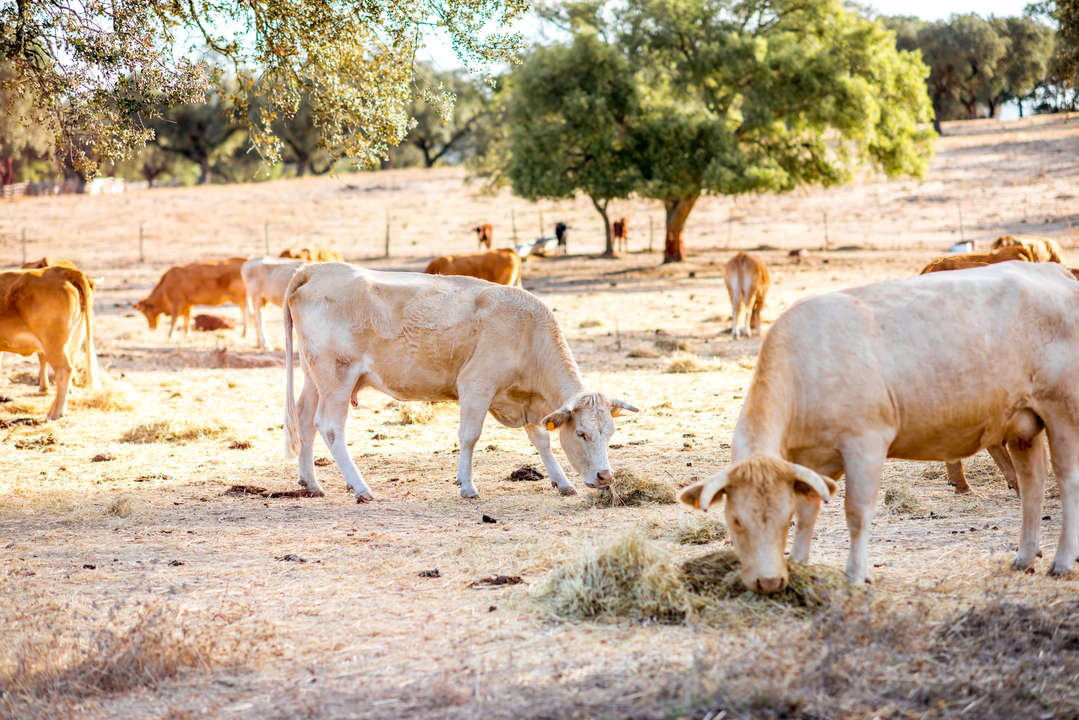
Smart Drought Strategies for Livestock Farmers: Surviving Dry Times with AgTech and Planning
Drought can be one of the most challenging obstacles for livestock farmers, threatening pastures, reducing water availability, and increasing feed costs. In many regions, unpredictable climate patterns make it essential to adopt smart drought strategies that combine advanced AgTech solutions with proactive planning. By leveraging technology, sustainable grazing practices, and long-term water management, farmers can reduce risk, protect livestock health, and maintain profitability even in the driest conditions.
This guide explores practical drought strategies, including precision agriculture, water conservation methods, and smart feed solutions, that can help livestock farmers thrive during dry times.
1. The Growing Challenge of Drought in Livestock Farming
Drought conditions not only impact forage production but also lead to depleted water resources, increased heat stress in livestock, and rising operational costs. Without proper planning, a prolonged drought can cause financial losses, reduced herd productivity, and long-term damage to pasturelands.
Key Drought Impacts on Livestock Farming:
✔ Forage shortages – Reduced pasture growth forces farmers to rely on expensive supplemental feed.
✔ Water scarcity – Decreased groundwater levels and dried-up ponds create a crisis for hydration.
✔ Heat stress in livestock – Higher temperatures reduce feed intake, fertility, and overall herd health.
✔ Degraded pastureland – Overgrazing due to drought can lead to soil erosion and long-term land damage.
To combat these issues, farmers must adopt both short-term and long-term drought resilience strategies.
2. Smart Water Management: Conserving and Maximizing Water Resources
Water is the most critical resource during drought, and effective water conservation strategies can help ensure a steady supply for livestock.
Water-Saving Strategies for Livestock Farmers:
💧 Invest in Water Storage Systems
✔ Install rainwater harvesting tanks to capture and store water from barns, rooftops, and pastures.
✔ Use underground cisterns to store water for long-term drought periods.
🚜 Upgrade Water Delivery Systems
✔ Replace old troughs with automated, demand-driven waterers to prevent waste.
✔ Use solar-powered livestock watering systems for off-grid efficiency.
✔ Implement drip irrigation in hayfields and grazing pastures to conserve water.
🌱 Improve Pasture Water Retention
✔ Implement rotational grazing to prevent overgrazing and retain soil moisture.
✔ Utilize cover crops like legumes to improve soil structure and water infiltration.
✔ Apply organic mulch around tree belts and pasture edges to reduce evaporation.
By storing, delivering, and managing water wisely, farmers can minimize the impact of drought on their livestock.
3. Smart Grazing Management: Maximizing Forage Production
A drought-proof grazing strategy ensures that pastures remain productive while protecting the soil from overgrazing damage.
Drought-Resilient Grazing Practices:
🌾 Rotational Grazing – Divide large pastures into smaller paddocks and allow sections to rest, promoting regrowth.
🌱 Diversified Forage Crops – Grow drought-resistant grasses such as brome, orchardgrass, and native prairie species to maintain nutrition.
🌤 Stockpile Forage in Wet Seasons – Cut and store excess hay during rainy months to create a backup supply for dry periods.
🚜 Precision Grazing with AgTech – Use drones and GPS fencing systems to monitor forage availability and adjust herd movements accordingly.
By optimizing pasture rotation and planting drought-tolerant forage, farmers can ensure a steady food supply for their herds.
4. Smart Feed Strategies: Alternative Nutrition During Drought
When pastures dry up, alternative feed solutions can prevent nutritional deficiencies and high feed costs.
Cost-Effective Feed Solutions for Drought Conditions:
🌾 Supplement with Byproducts – Utilize nutrient-rich agricultural byproducts like beet pulp, soybean hulls, and distillers grains as cost-effective feed.
🥩 Drought-Tolerant Feed Crops – Grow sorghum, millet, and alfalfa, which require less water than traditional hay crops.
🍂 Silage and Fermented Feeds – Fermented feeds retain nutrients and can serve as a high-energy feed source during dry seasons.
🚜 AgTech for Feed Optimization – Use precision feeding software to track livestock intake and reduce feed waste.
With proper feed planning and alternative nutrition sources, farmers can keep livestock healthy without relying on costly grain-based feeds.
5. AgTech Innovations: Using Technology to Overcome Drought
Advanced agricultural technology (AgTech) can help farmers predict, monitor, and manage drought conditions more efficiently.
Best AgTech Tools for Drought Resilience:
🌦 Weather Forecasting Apps – Platforms like Climate FieldView and Drought Monitor provide real-time drought predictions to aid decision-making.
📡 Soil Moisture Sensors – These sensors help track soil hydration levels and prevent overgrazing in dry areas.
🛰 Satellite Forage Monitoring – Satellite imagery can identify forage-rich areas and help optimize grazing schedules.
🚜 Automated Watering Systems – Smart livestock watering stations ensure animals always have access to fresh water without waste.
By integrating technology with traditional farming, livestock producers can stay ahead of drought challenges and boost efficiency.
6. Long-Term Drought Preparedness Plan
While immediate solutions help during dry spells, a long-term drought plan ensures sustainability for future generations.
✔ Build Deep Wells & Reservoirs – Secure long-term water access by investing in reliable sources.
✔ Maintain Healthy Soil – Use cover crops, organic amendments, and rotational grazing to preserve soil structure.
✔ Diversify Livestock & Income – Consider crossbreeding for drought-tolerant cattle or diversifying farm revenue streams.
✔ Work with Conservation Programs – Government and non-profit drought relief programs can provide funding and technical support.
A strong drought management plan doesn’t just help farmers survive dry times—it ensures future farm success.
Final Thoughts: Thriving Through Dry Times
Drought presents major challenges, but with the right strategies, livestock farmers can adapt and succeed. By implementing:
✔ Smart water conservation techniques
✔ Rotational and precision grazing
✔ Drought-resistant feed solutions
✔ AgTech innovations for monitoring conditions
✔ Long-term drought planning
Farmers can protect their herds, preserve resources, and maintain profitability even in extended dry spells.
By embracing smart drought strategies, livestock operations can turn challenges into opportunities, ensuring a resilient and thriving farm for years to come.
🌿 Plan smart, farm strong, and weather the drought with confidence! 🚜💧

