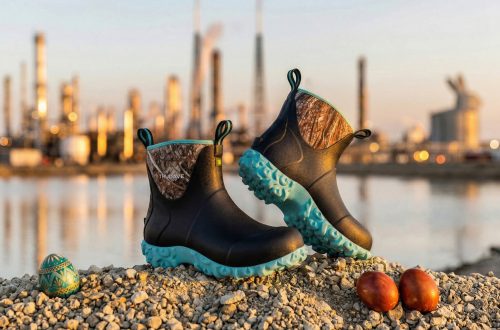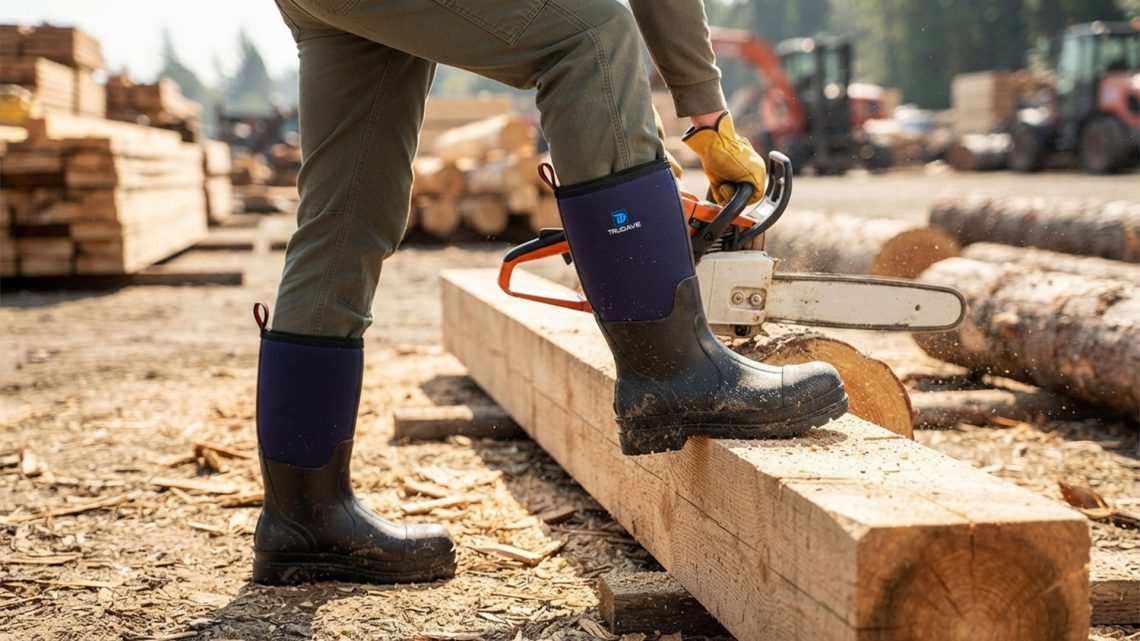
Best Boots for Pumpkin Farm Work: Waterproof Footwear for Mud, Harvesting, and Busy Fall Days
Pumpkin farming becomes especially demanding when the weather turns wet.
Fall rain can transform firm field soil into deep mud within hours. Pumpkin vines hold moisture close to the ground, wet leaves cover hidden holes, and heavily traveled paths around wagons, displays, and checkout areas quickly become slippery.
Workers may spend the same day harvesting pumpkins, repairing irrigation lines, loading trailers, driving tractors, organizing customer areas, operating hayrides, and walking through muddy fields while carrying heavy produce.
Ordinary shoes are rarely suitable for those conditions.
Casual rain boots may keep water out, but many lack the support, traction, and durability required for professional farm work. Heavy winter boots may provide warmth, yet become unnecessarily bulky during active harvesting.
The best boots for pumpkin farm work should combine dependable waterproofing, stable traction, secure heel retention, supportive cushioning, manageable weight, and easy-clean materials.
This guide explains how to choose practical footwear for pumpkin harvesting, muddy patches, agritourism operations, hayrides, loading areas, farm stands, irrigation maintenance, and long fall workdays.
Why Pumpkin Farms Are Hard on Footwear
Pumpkin farms combine crop production, material handling, machinery, customer traffic, and changing fall weather.
Workers may regularly cross:
- Muddy planting rows.
- Wet pumpkin vines.
- Tall grass.
- Clay soil.
- Sandy fields.
- Gravel roads.
- Tractor steps.
- Wooden wagons.
- Metal trailer ramps.
- Concrete farm-stand floors.
- Straw-covered paths.
- Customer parking areas.
- Irrigation ditches.
- Loading zones.
The footwear must perform on both soft agricultural ground and hard work surfaces.
An aggressive mud outsole may grip a saturated field but feel unstable on a tractor pedal or smooth concrete. A low-profile work sole may feel comfortable around the farm stand but provide too little grip between muddy rows.
Pumpkin farm boots need a balanced design suited to the worker’s actual responsibilities.
Waterproof Construction Is Essential
Pumpkin workers can become wet even when it is not actively raining.
Moisture may come from:
- Morning dew.
- Wet vines.
- Rain-soaked leaves.
- Irrigation systems.
- Mud.
- Standing water.
- Drainage areas.
- Equipment washing.
- Wet straw.
- Snowmelt late in the season.
- Produce-cleaning stations.
Water-resistant footwear may handle a short walk through damp grass.
It may not remain dry after several hours in wet vines and muddy soil.
Fully waterproof rubber or molded boots provide more reliable protection and are easier to rinse after contact with soil, pumpkin residue, fertilizer, and plant material.
Rubber Boots vs Waterproof Lace-Up Work Boots
Both footwear styles can work well on pumpkin farms.
The better choice depends on terrain, weather, walking distance, and job duties.
Rubber Pumpkin Farm Boots
Rubber boots are practical for wet fields, mud, vines, and wash-down work.
Advantages include:
- Fully waterproof construction.
- Easy cleaning.
- Fast entry and removal.
- Tall shaft options.
- Minimal water absorption.
- Fewer exposed seams.
- Good protection from wet vegetation.
They are particularly useful for:
- Harvesting after rain.
- Irrigation maintenance.
- Muddy field inspections.
- Pumpkin washing.
- Wet customer fields.
- Drainage work.
- Morning harvest in heavy dew.
Potential disadvantages include:
- Limited breathability.
- Possible heel movement.
- Less ankle adjustment.
- Heat buildup during active work.
- Reduced pedal feel.
- Limited cushioning in basic models.
Waterproof Lace-Up Work Boots
Waterproof lace-up boots may provide:
- Better ankle support.
- More precise fit.
- Stronger heel retention.
- Better control on uneven terrain.
- Improved comfort during long walking shifts.
- Greater stability while carrying pumpkins.
- Better equipment-pedal control.
They may be more suitable for:
- Loading trailers.
- Operating tractors.
- Walking long harvest routes.
- Steep or rocky farms.
- Farm-stand work.
- Fence and property maintenance.
- Carrying heavy tools or produce.
Many farm workers benefit from owning both styles.
Rubber boots can handle the wettest field conditions, while supportive lace-up boots can be used for loading, machinery, customer areas, and longer walking days.
Choose the Right Boot Height
Boot height affects water protection, mobility, weight, and heat.
Ankle-Height Waterproof Boots
These may work for:
- Covered farm stands.
- Equipment operation.
- Gravel parking areas.
- Dry packing spaces.
- Short field inspections.
- Customer-service duties.
They provide limited protection from muddy rows, wet vines, and standing water.
Mid-Calf Farm Boots
Mid-calf boots provide a practical balance for:
- General pumpkin harvesting.
- Moderate mud.
- Wet grass.
- Customer fields.
- Irrigation checks.
- Loading.
- Farm maintenance.
They offer more coverage than ankle boots without the bulk of knee-high footwear.
Tall Rubber Boots
Tall boots are useful for:
- Deep mud.
- Heavy rain.
- Flooded field edges.
- Drainage maintenance.
- Tall wet vegetation.
- Standing water.
- Late-season slush.
Tall boots provide greater protection but may become heavy during long harvest days.
Choose the lowest shaft height that safely handles normal field conditions.
Best Boots for Pumpkin Harvesting
Pumpkin harvesting involves repeated walking, bending, lifting, carrying, and loading.
Workers may move through vines that hide holes, stems, rocks, and irrigation components.
Suitable harvesting boots should provide:
- Waterproof construction.
- Secure heel fit.
- Stable lateral support.
- Flexible forefoot movement.
- Moderate tread depth.
- Comfortable cushioning.
- Durable toe protection.
- Manageable weight.
Very heavy boots can increase fatigue across thousands of steps.
The boot should feel stable when the worker bends, squats, turns, or carries a pumpkin that blocks the view of the ground.
Best Boots for Muddy Pumpkin Patches
Customer-facing pumpkin patches can become deeply muddy after rain.
Repeated foot and vehicle traffic creates ruts around:
- Field entrances.
- Popular pumpkin rows.
- Wagon stops.
- Photo areas.
- Checkout stations.
- Parking lots.
- Food stands.
Boots for these areas should provide:
- Fully waterproof uppers.
- Open tread channels.
- Wide lug spacing.
- Defined heel braking.
- Secure heel retention.
- Flexible rubber.
- Easy-clean construction.
Mud creates suction.
Loose boots may remain in the ground while the foot lifts inside, increasing the risk of falling.
Proper fit is as important as tread depth.
Best Boots for Carrying Pumpkins
Pumpkins can be heavy, awkward, and difficult to grip.
Carrying them changes the worker’s center of balance and may block the view of the next step.
Footwear should provide:
- Stable heel cups.
- Strong lateral support.
- Secure ankle fit.
- Broad outsole contact.
- Flexible forefoot movement.
- Supportive midsoles.
- Protective toes where appropriate.
Workers should avoid loose footwear that shifts during turns or downhill movement.
The boot should move with the foot as a single unit.
Best Boots for Loading Wagons and Trailers
Loading areas may include wet grass, wooden wagon floors, metal ramps, gravel, concrete, straw, and muddy tractor tracks.
Suitable boots should provide:
- Stable hard-surface traction.
- Secure heel positioning.
- Waterproof uppers.
- Moderate outsole thickness.
- Durable toe construction.
- Comfortable cushioning.
- Predictable movement on ramps.
Mud and pumpkin residue should be removed from the outsole before workers climb onto metal or wooden surfaces.
Packed material can reduce traction even when the tread itself is well designed.
Best Boots for Tractor and Hayride Operators
Pumpkin farms frequently use tractors for harvest wagons, hayrides, mowing, hauling, and customer transportation.
Operator footwear should provide:
- Predictable pedal contact.
- Moderate outsole width.
- Secure heel retention.
- Flexible ankle movement.
- Low or mid-calf shafts.
- Waterproof protection.
- Manageable weight.
Tall, wide rubber boots may feel awkward around closely spaced pedals.
Supportive waterproof lace-up boots often provide better control for employees who spend much of the day driving.
Boot tread should be cleaned before entering the operator area.
Best Boots for Pumpkin Patch Customer Areas
Agritourism farms may include:
- Pumpkin displays.
- Corn mazes.
- Petting areas.
- Food stands.
- Photo stations.
- Checkout tents.
- Hayride stops.
- Parking fields.
Employees working in these areas need footwear that balances farm performance with all-day comfort.
Useful features include:
- Waterproof construction.
- Moderate tread.
- Supportive cushioning.
- Presentable appearance.
- Secure heel fit.
- Low or moderate weight.
- Good hard-surface traction.
Extremely aggressive mud boots may be unnecessary for employees who spend most of their shift near a covered farm stand.
Best Boots for Corn Mazes
Corn mazes often operate on compacted soil that becomes muddy after rain.
Workers may patrol paths, assist customers, inspect signs, repair barriers, and respond to problems after dark.
Suitable boots should provide:
- Waterproof protection.
- Moderate mud traction.
- Stable heel retention.
- Flexible movement.
- Comfortable walking support.
- Reflective details when available.
- Enough shaft height for wet vegetation.
Hidden ruts and uneven ground become harder to see at night.
Employees should carry adequate lighting and use established paths.
Best Boots for Pumpkin Washing and Cleaning
Some farms wash mud and soil from pumpkins before display or shipment.
Washing areas may contain:
- Water.
- Mud.
- Pumpkin residue.
- Wet concrete.
- Hoses.
- Brushes.
- Wooden pallets.
- Cleaning products.
Suitable boots should provide:
- Fully waterproof construction.
- Broad outsole contact.
- Slip-resistant rubber.
- Water-dispersing tread.
- Easy-clean uppers.
- Secure heel fit.
- Appropriate shaft height.
Extremely deep field tread may provide less contact on smooth wet concrete.
A balanced wet-floor outsole is usually better in washing areas.
Best Boots for Farm-Stand Workers
Farm stands may involve long periods of standing on concrete, wood, gravel, or compacted soil.
Workers also move pumpkins, boxes, displays, and customer purchases.
Footwear should provide:
- Cushioned midsoles.
- Supportive removable insoles.
- Secure heel positioning.
- Waterproof uppers.
- Moderate tread.
- Enough toe room.
- Manageable weight.
Thin rain-boot insoles may become uncomfortable after several hours.
Work-grade waterproof footwear is generally more suitable for full shifts.
Traction on Wet Pumpkin Vines
Pumpkin vines can create a slick and uneven surface.
Large leaves hide stems, irrigation lines, holes, and rocks.
Suitable outsoles should provide:
- Flexible rubber.
- Multidirectional tread.
- Broad contact zones.
- Moderate lug depth.
- Defined heel edges.
- Stable lateral support.
Extremely sharp or deep tread may catch on vines.
A moderate agricultural outsole often provides a better balance between grip and easy movement.
Traction in Mud and Clay
Clay-heavy pumpkin fields can become sticky and difficult to cross.
Mud-focused footwear should provide:
- Wide lug spacing.
- Open tread channels.
- Moderate or deep lugs.
- Defined heel braking.
- Flexible rubber.
- Secure foot retention.
Narrow grooves fill quickly with clay.
Once packed, the outsole may become smooth underneath.
Clean the tread before the mud dries completely.
Traction on Straw-Covered Paths
Pumpkin farms sometimes use straw to cover muddy customer paths.
Straw may improve surface conditions, but it can also become slippery when wet or compressed.
Boots should provide:
- Broad outsole contact.
- Moderate tread depth.
- Flexible rubber.
- Stable heel support.
- Good lateral control.
Loose straw may hide holes, ruts, and uneven ground.
Workers should continue to move carefully even when paths appear covered.
Traction on Wet Grass
Wet grass requires grip in several directions.
Look for:
- Multidirectional tread.
- Moderate lug depth.
- Flexible outsole rubber.
- Defined heel edges.
- Stable foot positioning.
- Good lateral contact.
Extremely deep lugs may collect grass and soil.
A moderate open pattern is often better for workers moving between fields, customer areas, and equipment.
Traction on Wet Concrete
Wet concrete may be found around:
- Farm stands.
- Packing areas.
- Washing stations.
- Equipment sheds.
- Food-service zones.
- Storage buildings.
Suitable boots should provide:
- Flexible rubber compounds.
- Broad outsole contact.
- Moderate tread.
- Water-dispersing channels.
- Stable heel construction.
- Slip-resistant design.
Field mud and pumpkin residue should be removed before workers enter these areas.
Comfort for Long Fall Workdays
Pumpkin season can involve extended shifts, weekend crowds, and repeated lifting.
Comfort depends on:
- Cushioned midsoles.
- Supportive footbeds.
- Stable heel cups.
- Proper arch support.
- Flexible forefoot movement.
- Moderate boot weight.
- Enough toe room.
- Moisture management.
Basic recreational rain boots may provide waterproofing without enough support for professional farm use.
Waterproof work boots from outdoor brands such as Trudave Gear are designed for rain, mud, wet grass, farms, landscaping, and demanding outdoor conditions.
When comparing footwear, evaluate support, traction, fit, shaft height, and weight together.
Secure Heel Retention
Heel movement creates friction and reduces control.
Excessive heel slip may cause:
- Blisters.
- Foot fatigue.
- Reduced balance while carrying pumpkins.
- Difficulty walking through mud.
- Poor ramp stability.
- Reduced equipment control.
- Boots being pulled off by suction.
Pull-on rubber boots may allow slight heel movement.
The heel should not rise dramatically with every step.
Choose the correct size and a boot shape that holds the rear foot securely.
Toe Room for Repeated Walking and Lifting
Feet may swell during long shifts.
A proper toe box should provide:
- Natural toe movement.
- Comfortable width.
- No front contact.
- No pressure on the little toe.
- Enough space for work socks.
- Stable positioning.
Workers with wide feet should select wide-fit footwear rather than purchasing a longer size.
Oversized boots increase sliding and heel movement.
Boot Weight Matters
Pumpkin workers may already be carrying produce, tools, boxes, signs, and equipment.
Heavy boots add more fatigue.
Boot weight may increase because of:
- Tall shafts.
- Thick rubber.
- Safety toes.
- Heavy insulation.
- Aggressive outsoles.
- Reinforcement.
Choose the lightest boot that still provides the required protection and durability.
A heavily insulated livestock boot may be unnecessary during mild fall harvest conditions.
Early-Season Pumpkin Farm Boots
Late summer and early fall can still be warm.
Suitable footwear should prioritize:
- Uninsulated construction.
- Lightweight materials.
- Moderate shaft height.
- Removable insoles.
- Moisture-wicking socks.
- Flexible movement.
- Manageable weight.
Tall rubber boots may trap heat.
Use them when dew, irrigation, or mud requires the extra coverage.
Late-Season Pumpkin Farm Boots
Later in the season, workers may encounter:
- Cold rain.
- Frost.
- Wet leaves.
- Deep mud.
- Cold wind.
- Occasional snow or slush.
Late-season boots may need:
- Waterproof construction.
- Light or moderate insulation.
- Flexible low-temperature rubber.
- Thicker midsoles.
- Wet-leaf and mud traction.
- Room for warmer socks.
The warmest boot is not always necessary.
Highly active harvest workers may overheat in heavily insulated footwear.
Best Socks for Pumpkin Farm Work
Cotton socks absorb sweat and dry slowly.
Wool-blend and synthetic work socks generally manage moisture more effectively.
Choose socks that:
- Wick moisture.
- Fit without bunching.
- Extend above the boot collar.
- Cushion the heel and forefoot.
- Match the temperature.
- Avoid bulky seams.
Keeping spare socks available can improve comfort during long wet days.
Do Pumpkin Farm Workers Need Safety-Toe Boots?
Safety-toe footwear may be useful around:
- Heavy pumpkins.
- Harvest bins.
- Pallets.
- Forklifts.
- Tractors.
- Trailers.
- Loading equipment.
- Farm-maintenance tools.
Steel toes provide impact protection but add weight and may transfer cold.
Composite toes may reduce weight and temperature transfer.
The correct choice depends on workplace hazards, employer rules, and applicable safety standards.
Waterproof footwear is not automatically safety rated.
Puncture Resistance
Pumpkin farms may contain:
- Nails.
- Staples.
- Wire.
- Broken pallets.
- Irrigation components.
- Metal fasteners.
- Stakes.
- Construction debris.
A thick-looking outsole is not automatically puncture resistant.
Workers exposed to these hazards should choose properly rated footwear.
Inspect boots regularly for cuts and embedded objects.
Agricultural Chemical Exposure
Pumpkin production may involve:
- Fertilizers.
- Herbicides.
- Pesticides.
- Fungicides.
- Fuel.
- Oil.
- Cleaning products.
- Equipment fluids.
Ordinary waterproof boots are not automatically chemical resistant.
Chemical exposure may damage rubber, adhesives, linings, and outsole compounds.
Use footwear and personal protective equipment specified by product labels, safety documentation, employer procedures, and applicable agricultural requirements.
Pumpkin Farm Biosecurity and Field Cleanliness
Footwear can move soil, weed seeds, insects, plant material, and crop pathogens between fields and farms.
Cleaning procedures may include:
- Removing soil before leaving a field.
- Brushing vines and seeds from tread.
- Cleaning footwear between properties.
- Using designated boots in sensitive areas.
- Disinfecting when required.
- Avoiding movement from affected fields into clean areas.
Visible soil and organic material should be removed before disinfectants are applied.
Follow farm-specific crop-health procedures.
How to Clean Pumpkin Farm Boots
A practical cleaning routine includes:
- Remove vines, leaves, seeds, and heavy mud.
- Rinse the exterior.
- Brush the outsole channels.
- Remove pumpkin residue with mild soap.
- Follow chemical and farm-cleanliness procedures.
- Inspect for cuts, punctures, and cracks.
- Remove damp insoles.
- Dry the boots with airflow.
- Store footwear away from direct heat and sunlight.
Clean boots are less likely to transfer mud into tractors, retail areas, trucks, and customer walkways.
How to Remove Pumpkin Residue
Pumpkin pulp, seeds, and juice can become sticky and slippery.
Rinse footwear before the residue dries.
Use warm water and mild soap when necessary.
Pay attention to:
- Outsole grooves.
- Heel edges.
- Toe areas.
- Shaft creases.
- Spaces around the sole.
Avoid harsh cleaners unless the boot manufacturer approves them.
How to Prevent Boot Odor
Odor may develop from sweat, mud, wet vegetation, pumpkin residue, and incomplete drying.
To reduce odor:
- Wear clean moisture-wicking socks.
- Rinse boots after dirty work.
- Remove insoles after each shift.
- Dry interiors completely.
- Rotate between two pairs.
- Replace worn footbeds.
- Store boots in moving air.
- Clean organic residue promptly.
Strong fragrance only covers odor temporarily.
Moisture and residue must be removed.
How to Dry Waterproof Pumpkin Farm Boots
Waterproof boots may become damp inside from sweat or water entering from above.
After work:
- Remove the insoles.
- Wipe visible moisture.
- Open the shafts.
- Direct airflow inside.
- Use a low-temperature boot dryer when approved.
- Avoid strong direct heat.
Radiators, fireplaces, and high-temperature dryers can damage rubber, adhesives, insulation, and linings.
Daily farm workers may benefit from rotating between two pairs.
How Long Should Pumpkin Farm Boots Last?
Boot lifespan depends on:
- Daily walking distance.
- Mud exposure.
- Concrete use.
- Equipment operation.
- Chemical contact.
- Cleaning frequency.
- Outsole wear.
- Material quality.
- Storage.
- Climate.
Inspect boots regularly for:
- Cracks.
- Leaks.
- Smooth tread.
- Sole separation.
- Cuts.
- Punctures.
- Compressed cushioning.
- Unstable heel support.
A boot may remain waterproof while losing the traction or support required for safe work.
When Should Pumpkin Farm Boots Be Replaced?
Replace boots when:
- Water enters repeatedly.
- Tread becomes dangerously worn.
- The outsole separates.
- Cracks continue spreading.
- Punctures expose the interior.
- Heel support becomes unstable.
- Cushioning collapses.
- Chemical damage appears.
- Repairs repeatedly fail.
Keep a backup pair available before peak October weekends and major harvest periods.
Common Mistakes When Buying Pumpkin Farm Boots
Buying Casual Fashion Rain Boots
They may lack professional support, traction, and durability.
Choosing Boots That Are Too Loose
Heel movement reduces stability while carrying produce.
Buying Tall Insulated Boots Too Early
Excess height and warmth increase fatigue during mild weather.
Choosing Deep Mud Lugs for Every Task
Aggressive tread may perform poorly on concrete, wagons, and equipment pedals.
Ignoring Wet-Vine Traction
Pumpkin vines require balanced multidirectional grip.
Buying Boots Too Large
Oversized footwear creates heel slip and poor control.
Assuming Waterproof Means Chemical Resistant
Agricultural products may damage ordinary rubber.
Ignoring Pumpkin and Mud Buildup
Organic material can reduce hard-surface traction.
Drying Boots With High Heat
Strong heat can damage rubber, adhesives, and insulation.
How to Choose the Best Boots for Pumpkin Farm Work
Before purchasing, consider the actual farm and job responsibilities.
Ask:
How muddy do the fields become?
Is the soil clay, sand, or loam?
Do employees carry pumpkins manually?
Are tractors and hayrides operated?
How much time is spent with customers?
Are concrete washing areas involved?
Are safety toes required?
Which agricultural products may contact the boots?
How cold is late-season weather?
How many hours are spent walking?
Then compare:
- Waterproof construction.
- Boot height.
- Wet-vine traction.
- Mud traction.
- Heel retention.
- Ankle support.
- Cushioning.
- Boot weight.
- Safety ratings.
- Ease of cleaning.
For pumpkin growers, harvest workers, agritourism employees, farmers, and outdoor professionals comparing waterproof footwear, Trudave Gear offers boots designed for rain, mud, wet grass, farms, landscaping, and demanding work environments.
Choose footwear according to soil type, weather, lifting requirements, equipment use, customer-area duties, safety standards, and hours spent on your feet.
Frequently Asked Questions
What are the best boots for pumpkin farm work?
The best pumpkin-farm boots are fully waterproof, securely fitted, comfortable for long shifts, and equipped with traction for wet vines, mud, grass, gravel, and loading areas.
Are rubber boots good for pumpkin harvesting?
Yes. Rubber boots work well in wet fields, muddy rows, morning dew, irrigation areas, and pumpkin-washing stations.
What tread is best for a muddy pumpkin patch?
Moderate or deep, widely spaced lugs with a defined heel help penetrate mud and release packed soil.
How tall should pumpkin-farm boots be?
Mid-calf boots work well for many harvesting and customer-service tasks. Tall boots provide more protection in deep mud, standing water, and heavy rain.
Are deep mud lugs good for tractor operators?
Not always. Very deep or wide tread may reduce pedal feel and collect excessive mud.
Do pumpkin workers need safety-toe boots?
Safety toes may be appropriate around heavy pumpkins, pallets, forklifts, harvest bins, tractors, trailers, and loading operations.
Are waterproof boots resistant to pesticides and fertilizer?
Not automatically. Chemical compatibility must be confirmed for the specific agricultural product.
How can workers avoid slipping on pumpkin vines?
Choose flexible multidirectional tread, secure heel fit, and use short controlled steps through vine-covered areas.
How do you remove pumpkin pulp from rubber boots?
Rinse the footwear promptly and use warm water with mild soap before the residue dries.
How often should pumpkin-farm boot insoles be replaced?
Replace insoles when they become flat, damaged, uneven, permanently smelly, or no longer supportive.
Final Thoughts
Pumpkin farming requires footwear that can handle wet vines, mud, grass, harvest work, heavy produce, tractors, hayrides, loading areas, customer paths, wet concrete, and long fall workdays.
The best boots provide dependable waterproof protection, secure heel retention, practical traction, supportive cushioning, manageable weight, and materials that are easy to clean.
Mid-calf rubber boots are a strong choice for general harvesting, wet fields, muddy customer areas, and irrigation work.
Tall waterproof boots provide more protection during heavy rain, deep mud, drainage repair, and standing-water tasks.
Supportive waterproof lace-up boots may be better for loading, tractor operation, long walking routes, sloped fields, and jobs requiring stronger ankle control.
Trudave Gear offers waterproof outdoor boots designed for rain, mud, wet grass, farms, landscaping, and demanding work conditions.
Choose footwear based on the field soil, weather, job duties, equipment, lifting requirements, customer traffic, safety standards, and number of hours spent on your feet.
Reliable pumpkin-farm boots should help workers stay drier, maintain better footing, reduce fatigue, and remain more comfortable from the first morning harvest to the final hayride of the evening.


You May Also Like
Why Your Pasture Looks Green but Isn’t Producing Enough Feed
What Frozen Ground Is Doing to Cattle Movement Right Now