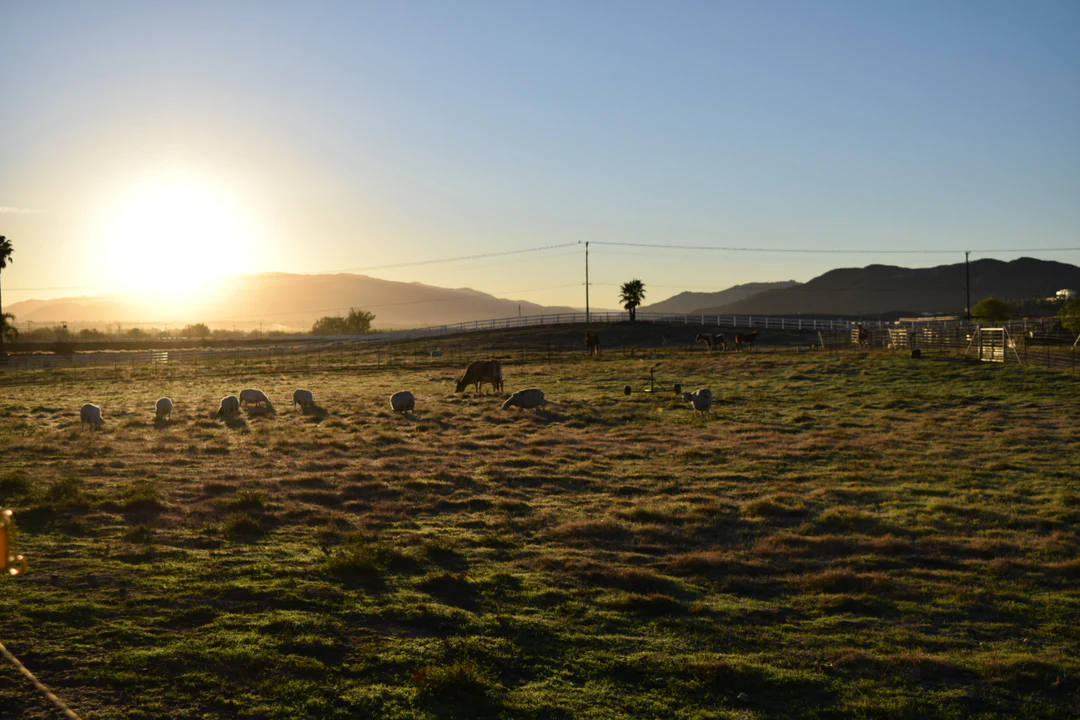
Pasturebird and Land to Market: A “Natural” Fit
In an era where consumers are becoming increasingly conscious of where their food comes from and how it’s produced, the intersection of sustainable agriculture and mindful consumption has never been more important. Enter Pasturebird and Land to Market, two pioneering organizations that are changing the way we approach food production. Together, they represent a shift towards regenerative practices that benefit the environment, the animals, and ultimately, the consumers who seek healthier, more ethical food choices.
But what makes this partnership such a perfect fit? Let’s explore how these two entities are working hand-in-hand to build a future where sustainability and ethical production take center stage.
1. What is Pasturebird?
Pasturebird is a revolutionary farming operation that focuses on raising chickens using regenerative farming practices. The company operates on the principle that a healthy farm ecosystem—one that mimics natural landscapes—is the key to producing not only healthier livestock but also healthier food for consumers.
At its core, Pasturebird operates on pasture-based poultry systems, which prioritize giving birds access to pasture to forage, scratch, and roam freely. This practice results in healthier animals, which leads to higher quality and more flavorful meat. In addition to benefiting the chickens themselves, Pasturebird’s focus on pasture-based farming helps build soil health, sequester carbon, and restore biodiversity to the land.
By rotating flocks across various pastures, Pasturebird allows the land to naturally regenerate, ensuring that the environment remains balanced and productive. This model benefits both the immediate ecosystem and the broader climate, making it a prime example of sustainable agriculture in action.
2. What is Land to Market?
Land to Market is an innovative initiative launched by the Savory Institute, designed to help consumers identify products that come from regenerative agriculture. This certification program tracks the entire supply chain—from land management to product sourcing—ensuring that products are made with a focus on regenerative and sustainable practices.
The Land to Market program provides third-party verification of regenerative agricultural practices, offering transparency for consumers. It’s a way to guarantee that the food they purchase aligns with their values, knowing that the products come from land that is being restored rather than depleted. The goal of Land to Market is to create a global market for regeneratively sourced products, which will drive both consumer demand and producer adoption of practices that restore ecological health and combat climate change.
Land to Market provides certifications for a range of agricultural products, including meat, dairy, and textiles. Through its robust verification system, it fosters collaboration between farmers, ranchers, and consumers, making regenerative agriculture more accessible and impactful.
3. How Pasturebird and Land to Market Are a “Natural” Fit
The alignment between Pasturebird and Land to Market couldn’t be more fitting. Both organizations are driven by the belief that regenerative agriculture is the future of food production, one that works in harmony with the environment rather than against it. Here’s why the connection between the two is so seamless:
a) Regenerative Agriculture at the Core
At the heart of both Pasturebird and Land to Market is the commitment to regenerative agriculture—a farming approach that goes beyond sustainability. Regenerative practices focus on restoring soil health, increasing biodiversity, and drawing down carbon from the atmosphere to mitigate climate change.
Pasturebird’s pasture-raised chickens are the epitome of this model. The rotational grazing techniques they employ not only benefit the animals but also enrich the land they inhabit. By working with the land, not against it, they’re helping to restore ecosystems and create a more resilient, productive landscape.
Land to Market supports this ethos by offering verification for farms and producers who are following regenerative practices. As a recognized certifying body, Land to Market helps consumers identify brands that align with their environmental and ethical values. By working together, Pasturebird and Land to Market are showing the world that it’s possible to create a food system that heals rather than harms the planet.
b) Transparency and Trust
One of the key values that consumers are looking for today is transparency. With so much misinformation and greenwashing in the marketplace, it can be hard to trust the labels on the food we buy. That’s where Land to Market comes in, offering a trusted certification for products that meet high standards of regenerative farming.
Pasturebird is now part of this trusted network. Their certification under the Land to Market label allows consumers to trace the origin of their food to ensure it was produced with sustainable and ethical practices. This transparency builds trust and helps form a strong bond between the consumer and the producer, something that is more important than ever in today’s food landscape.
c) Building a Circular Economy
Pasturebird’s approach to regenerative farming isn’t just about animal welfare—it’s about creating a circular agricultural system. The birds naturally fertilize the soil, which promotes grass and plant growth. The plants, in turn, provide nutrition for the birds. This closed-loop system ensures that no resource is wasted, and it mirrors the way nature itself operates.
Through their partnership with Land to Market, Pasturebird is able to further enhance its regenerative system by educating consumers and other producers about the benefits of closed-loop farming. Together, they’re working to build a circular agricultural economy that thrives on mutual benefit and sustainability.
4. The Impact on the Broader Food System
The collaboration between Pasturebird and Land to Market represents a larger movement in agriculture towards regenerating ecosystems and reducing the negative impacts of industrial farming. By supporting farmers who are transitioning to regenerative methods, Pasturebird and Land to Market are helping to rebuild soil health, reduce carbon footprints, and foster biodiversity in agricultural landscapes.
The success of Pasturebird is a testament to the viability of regenerative farming as a business model. It shows that sustainable practices don’t have to come at the cost of profitability—in fact, they can enhance long-term productivity and consumer loyalty. By working with Land to Market, Pasturebird is helping to create a demand for ethically produced, regeneratively raised foods, which will have ripple effects throughout the entire food system.
5. Conclusion: A Bright Future for Regenerative Agriculture
As consumers continue to seek out healthier, more sustainable food options, the partnership between Pasturebird and Land to Market is leading the charge toward a new era in agriculture. By supporting regenerative practices that restore the land and improve the health of both animals and ecosystems, these organizations are not only changing the way we think about food—they’re helping to shape a better, more sustainable world for future generations.
The combination of Pasturebird’s dedication to pasture-raised poultry and Land to Market’s focus on verifying and certifying regenerative practices creates a powerful model that others in the industry can follow. Together, they prove that sustainable, ethical, and environmentally friendly food production is not only possible—it’s the future.

