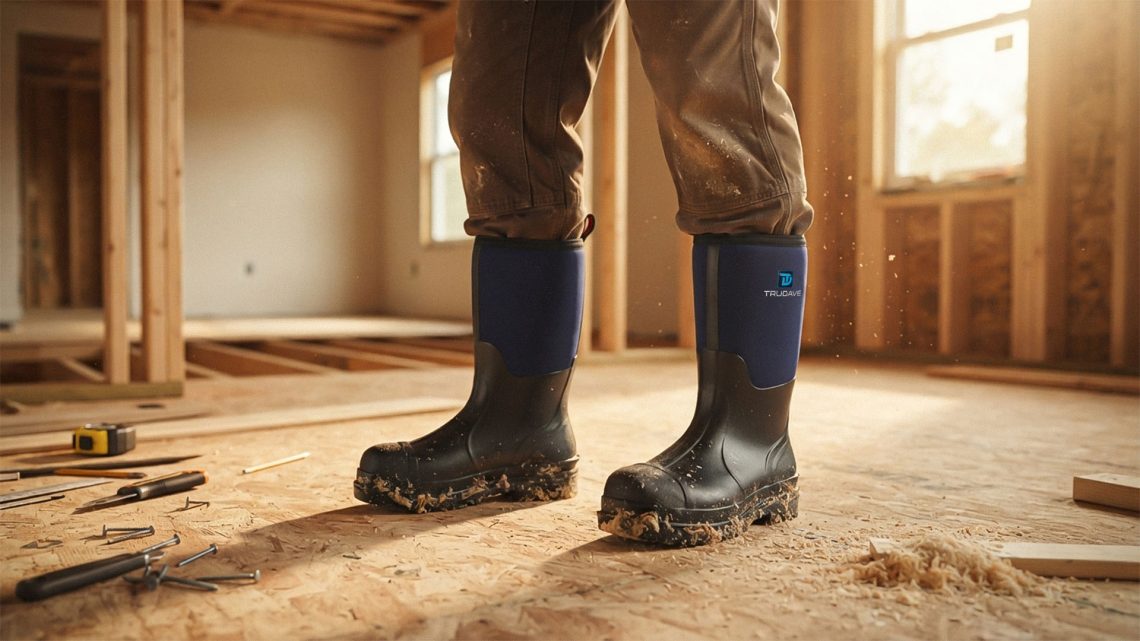
Best Boots for Fish Hatcheries, Raceways, and Aquaculture Work
A commercial fish hatchery can look clean and organized compared with a muddy livestock farm, but footwear faces a completely different set of challenges.
Water is everywhere.
Workers may spend the day walking beside concrete raceways, feeding fish, cleaning tanks, handling nets, grading stock, moving oxygen equipment, washing floors, checking pumps, carrying feed, transferring fish, and moving between indoor hatchery rooms and outdoor ponds.
The ground may look solid, but a thin layer of algae, water, fish residue, or feed can turn an ordinary walkway into a difficult surface.
That makes footwear one of the most important everyday pieces of equipment for hatchery employees.
The best boots for fish hatchery work need to do more than keep water out. They should provide reliable wet-surface traction, all-day comfort on hard floors, secure footing around tanks and raceways, easy cleaning, and enough durability for repeated exposure to water and aquaculture environments.
Fish Hatchery Boots Have a Different Job Than Farm Boots
Traditional agricultural boots are often designed around:
- Mud.
- Soil.
- Manure.
- Grass.
- Fields.
Fish hatcheries add a very different set of surfaces:
- Wet concrete.
- Painted floors.
- Fiberglass.
- Metal grating.
- Rubber mats.
- Raceways.
- Tank rooms.
- Outdoor pond banks.
- Gravel service roads.
- Drainage channels.
A deep agricultural outsole designed to dig into mud may not automatically perform well on wet concrete.
Likewise, a lightweight deck shoe may feel good indoors but provide too little protection around outdoor ponds and washdown areas.
The ideal hatchery boot depends on where the worker spends most of the day.
Why Wet Concrete Is One of the Biggest Hazards
Many hatcheries use concrete around:
- Raceways.
- Tanks.
- Sorting areas.
- Feed rooms.
- Cleaning stations.
- Loading areas.
Concrete may stay wet for much of the shift.
Water can combine with:
- Algae.
- Fish slime.
- Feed.
- Mud.
- Cleaning residue.
- Organic material.
This creates a surface where outsole contact becomes critical.
Workers should generally look for boots with:
- Flexible rubber.
- Broad contact areas.
- Water-dispersing tread channels.
- Stable heel construction.
- Moderate rather than extreme tread depth.
A sole that is excellent in deep mud may provide less useful surface contact on smooth hatchery floors.
Raceways Create Constant Water Exposure
Raceway systems move large volumes of water past fish.
Workers may walk beside them while:
- Feeding.
- Inspecting fish.
- Removing mortalities.
- Checking water flow.
- Cleaning screens.
- Monitoring oxygen.
- Sampling stock.
Splashing is common.
Workers may also step into shallow water or stand in drainage areas.
Fully waterproof boots are usually much more practical than water-resistant footwear.
What Boot Height Works Best Around Raceways?
The ideal height depends on how much water exposure workers experience.
Ankle-Height Waterproof Boots
Can work for:
- Offices connected to hatcheries.
- Dry packing rooms.
- Maintenance shops.
- Limited indoor tasks.
They provide less splash protection.
Mid-Calf Boots
Often the most versatile choice for:
- Raceways.
- Feeding.
- Tank cleaning.
- General hatchery work.
- Wet walkways.
- Outdoor transitions.
They offer useful protection without excessive bulk.
Knee-High Rubber Boots
More practical for:
- Heavy washdown.
- Tank draining.
- Pond work.
- Deep splash zones.
- Flooded areas.
- Fish transfers.
They provide more coverage but increase heat and weight.
Rubber Boots Are Popular for a Reason
Rubber footwear remains common in aquaculture because it is:
- Fully waterproof.
- Easy to rinse.
- Resistant to water absorption.
- Simple to sanitize.
- Easy to inspect.
- Practical for wet environments.
A smooth rubber upper can be washed quickly at the end of a shift.
That matters in facilities where workers move between different fish populations or production zones.
Why Cheap Rain Boots May Not Be Enough
Basic rain boots may work for occasional water exposure.
Commercial hatchery workers may wear footwear for many hours every day.
Low-cost recreational boots may lack:
- Cushioning.
- Heel stability.
- Arch support.
- Durable outsoles.
- Strong sidewalls.
- Secure fit.
Standing on hard concrete in unsupported rubber boots can become uncomfortable surprisingly quickly.
For full-time hatchery work, comfort should be considered alongside waterproofing.
Hatchery Workers Spend More Time Standing Than Many Farmers
A hatchery shift may include long periods of:
- Feeding.
- Sorting.
- Monitoring.
- Grading.
- Cleaning.
- Recording stock information.
- Working around tanks.
Workers may not always walk great distances.
Instead, they may stand in one area for long periods.
That makes:
- Midsole cushioning.
- Supportive insoles.
- Heel stability.
- Proper fit.
especially important.
Best Boots for Feeding Fish
Feeding crews may move repeatedly along:
- Raceways.
- Tank rows.
- Pond edges.
- Feed storage areas.
Feed can spill onto wet floors.
This can reduce traction.
Suitable footwear should combine:
- Waterproof construction.
- Stable wet-floor grip.
- Comfortable walking support.
- Moderate tread.
- Easy cleaning.
Workers should remove feed buildup from outsole grooves regularly.
Best Boots for Fish Grading
Fish grading may involve:
- Nets.
- Tables.
- Tanks.
- Water.
- Sorting equipment.
- Repetitive lifting.
Workers may stand in splash zones for hours.
A practical grading boot should provide:
- Full waterproofing.
- Comfortable cushioning.
- Secure heel fit.
- Stable wet-floor traction.
- Flexible ankle movement.
Very bulky boots may become tiring during repetitive bending and lifting.
Best Boots for Fish Netting
Netting fish requires workers to move quickly and maintain balance.
The work may involve:
- Scooping fish.
- Moving nets.
- Carrying baskets.
- Transferring stock.
- Working beside open water.
Loose footwear can make these tasks more difficult.
A secure boot fit helps improve control during rapid weight shifts.
Best Boots for Fish Transfers
Fish may be transferred between:
- Raceways.
- Tanks.
- Trucks.
- Ponds.
- Holding systems.
Workers may handle:
- Water-filled containers.
- Nets.
- Pumps.
- Hoses.
- Heavy equipment.
Footwear should provide a stable base while workers carry awkward loads.
Protective toes may be appropriate depending on equipment and container weights.
Boots for Tank Rooms
Tank rooms may contain:
- Fiberglass tanks.
- Plastic tanks.
- Wet concrete.
- Drainage channels.
- Pumps.
- Pipes.
- Hoses.
These environments usually favor boots with:
- Broad outsole contact.
- Moderate tread.
- Waterproof uppers.
- Secure heel support.
- Good cushioning.
Deep mud lugs usually provide little benefit indoors.
Boots for Recirculating Aquaculture Systems
Recirculating aquaculture systems, or RAS facilities, often operate indoors.
Workers may spend most of the shift around:
- Tanks.
- Filters.
- Pumps.
- Biofilters.
- Plumbing.
- Mechanical rooms.
The priority becomes less about mud and more about:
- Wet-floor traction.
- Comfort.
- Sanitation.
- Equipment compatibility.
- Long standing periods.
A lower-profile waterproof work boot may be more practical than a tall field boot in these facilities.
Boots for Flow-Through Hatcheries
Flow-through systems often use spring, river, or well water moving continuously through the facility.
Workers may face:
- Constant splash.
- Cool temperatures.
- Outdoor raceways.
- Wet concrete.
- Gravel.
Mid-calf waterproof boots can offer a good balance of coverage and mobility.
Cold Freshwater Changes Comfort
Hatchery water can remain cold even when the air temperature is relatively mild.
Workers standing near raceways may feel cold through thin soles.
Underfoot insulation matters.
Useful features include:
- Thicker midsoles.
- Cushioned insoles.
- Cold-flexible outsole rubber.
- Waterproof construction.
- Enough room for appropriate socks.
A boot does not need heavy winter insulation to provide better cold-floor comfort.
Trout Hatchery Work Boots
Trout hatcheries often use cold, oxygen-rich water.
Workers may spend much of the day around:
- Outdoor raceways.
- Springs.
- concrete channels.
- ponds.
- feed areas.
Useful footwear features include:
- Waterproof construction.
- Cold-water comfort.
- Stable wet-concrete traction.
- Secure heel retention.
- Durable outsole rubber.
Salmon Hatchery Footwear
Salmon hatcheries may involve larger systems and more intensive fish-handling periods.
Workers may participate in:
- Egg collection.
- Incubation.
- Juvenile rearing.
- smolt handling.
- fish transfers.
- release operations.
Different stages may require different footwear.
Indoor incubation areas may favor lighter waterproof boots.
Outdoor raceway and transfer work may justify taller rubber footwear.
Catfish Farm Hatchery Boots
Warm-water aquaculture may combine indoor hatchery work with outdoor ponds.
Workers may move between:
- Hatchery buildings.
- Pond banks.
- Gravel roads.
- Muddy edges.
- Feeding areas.
A versatile waterproof work boot may be more useful than a strictly indoor hatchery boot.
Tilapia Facility Work Boots
Tilapia production frequently uses controlled tank systems.
Workers may experience:
- Warm indoor temperatures.
- High humidity.
- Wet floors.
- Tank splash.
Heavy insulated boots are usually unnecessary.
Workers should prioritize:
- Lightweight waterproof construction.
- Moisture management.
- Good wet-floor traction.
- Removable insoles.
Boots for Fish Egg Rooms
Egg incubation rooms may be cleaner than grow-out areas but still contain water.
Workers may handle:
- Trays.
- incubators.
- pipes.
- disinfecting equipment.
Footwear should be:
- Easy to sanitize.
- Waterproof.
- Lightweight.
- Stable on wet floors.
Deep tread can make cleaning more difficult.
Boots for Fry and Fingerling Areas
Small fish production often requires frequent movement between tanks.
Workers may need to:
- Sample stock.
- Feed small fish.
- clean tanks.
- adjust flow.
- record survival.
Lightweight waterproof boots with good cushioning can improve comfort during repetitive indoor tasks.
Hatchery Biosecurity Changes Boot Selection
Footwear can move:
- Water.
- mud.
- organic matter.
- fish pathogens.
- algae.
between production areas.
Many hatcheries use procedures such as:
- Dedicated boots.
- Footbaths.
- Boot washing.
- Disinfection.
- Separate clean and dirty zones.
Footwear should be compatible with these systems.
Why Easy-Clean Tread Matters for Biosecurity
Very deep, complicated tread can trap:
- Mud.
- algae.
- plant material.
- fish residue.
That makes boots harder to clean thoroughly.
A simpler outsole design may be preferable in facilities where sanitation is important.
Dedicated Boots for Different Hatchery Zones
Some operations may keep separate footwear for:
- Broodstock.
- eggs.
- fry.
- grow-out.
- quarantine.
- outdoor ponds.
This can help reduce unwanted movement of material between groups.
Dedicated boots should be:
- Clearly identified.
- Easy to sanitize.
- Stored properly.
- Inspected regularly.
Footbaths and Boot Materials
Hatcheries may use approved disinfectants in boot baths.
Waterproof does not automatically mean compatible with every disinfectant.
Workers should follow:
- Facility procedures.
- Chemical labels.
- Boot manufacturer guidance.
Repeated chemical exposure can damage some materials.
Algae Makes Hatchery Floors More Difficult
Algae can develop around areas that remain constantly wet.
This may include:
- Raceway edges.
- outdoor tanks.
- drainage channels.
- concrete walkways.
Algae can dramatically reduce friction.
Even boots designed for wet floors cannot eliminate this risk.
Routine surface cleaning remains essential.
Boots for Algae-Covered Concrete
Workers should prioritize:
- Flexible outsole rubber.
- Broad contact.
- Clean tread.
- Secure heel positioning.
Deep lugs alone do not guarantee better traction on slimy flat surfaces.
Outdoor Pond Work Changes Boot Requirements
Fish hatchery employees may also work around ponds.
Pond edges may contain:
- Mud.
- Wet grass.
- soft banks.
- gravel.
- standing water.
Here, more open tread becomes useful.
A boot that is excellent on indoor concrete may feel less effective in soft pond mud.
Boots for Muddy Pond Banks
For workers spending significant time around pond banks, useful features include:
- Open outsole channels.
- Moderate-to-deep lugs.
- Defined heel edges.
- Secure heel retention.
- Waterproof shafts.
Mud suction can pull loose boots off the heel.
Boots for Fish Farm Levees
Pond farms often have levees or raised banks.
Workers may walk narrow, uneven ground.
Footwear should provide:
- Stable outsole edges.
- Secure fit.
- Ankle support.
- Moderate tread.
- Comfortable walking support.
Boots for Aerator Maintenance
Pond aerators may require workers to move near water while handling:
- Electrical equipment.
- motors.
- floats.
- cables.
Waterproof footwear does not automatically provide electrical protection.
Workers must follow electrical safety procedures and use appropriately rated PPE where required.
Boots for Oxygen-System Maintenance
Hatcheries may use:
- Oxygen cones.
- diffusers.
- tanks.
- piping.
- monitoring systems.
Maintenance may involve slippery areas and heavy equipment.
Footwear should provide:
- Stable traction.
- secure heel support.
- waterproof construction.
- protective toes where appropriate.
Boots for Pump Rooms
Pump rooms combine:
- Water.
- machinery.
- concrete.
- pipes.
- oil or lubricants.
Workers may need outsoles that handle both water and occasional equipment fluids.
Check whether the boot material provides appropriate resistance for the substances used.
Boots for Screen Cleaning
Screens and filters may accumulate:
- algae.
- debris.
- organic material.
Cleaning often involves water and repeated bending.
Suitable boots should provide:
- Waterproof construction.
- flexible movement.
- secure fit.
- stable wet-floor traction.
Boots for Hatchery Washdown
Washdown is one of the wettest hatchery tasks.
Workers may use:
- hoses.
- pressure washers.
- scrubbers.
- sanitizers.
Knee-high or mid-calf rubber boots may be useful depending on splash levels.
A boot with a smooth upper is easier to rinse after the job.
Pressure Washing and Boot Safety
Pressure washers can damage footwear and injure workers.
Do not intentionally spray high-pressure water directly onto boots or feet.
Follow equipment procedures and keep the nozzle directed away from the body.
Boots for Feed Storage Rooms
Feed rooms are often drier than hatchery floors.
However, workers may move directly from wet areas into storage.
Feed dust and pellets can collect in wet tread and create mess.
A moderate outsole is easier to clean than aggressive mud tread.
Boots for Fish Feed Loading
Feed may arrive in:
- Bags.
- totes.
- bulk systems.
- pallets.
Workers may use:
- forklifts.
- pallet jacks.
- carts.
Protective toes may be useful where heavy materials are handled.
Boots for Fish Farm Trucks
Hatchery employees may load fish onto transport trucks.
This work may involve:
- tanks.
- hoses.
- pumps.
- ladders.
- metal steps.
- water.
Workers should use footwear with:
- Secure heel fit.
- Stable step contact.
- Moderate outsole thickness.
- Waterproof uppers.
- Good flexibility.
Boots for Fish-Stocking Crews
Stocking crews may travel from the hatchery to:
- rivers.
- lakes.
- ponds.
- reservoirs.
- remote access points.
Footwear may need to handle:
- gravel.
- mud.
- wet grass.
- rocks.
- boat ramps.
A more supportive waterproof outdoor boot may work better than an indoor hatchery boot.
Boots for Boat-Ramp Fish Releases
Boat ramps can be difficult surfaces because they may contain:
- algae.
- water.
- mud.
- smooth concrete.
Workers should move cautiously.
No ordinary boot completely eliminates slip risk on algae-covered ramps.
Boots for River Stocking
River-release crews may encounter:
- rocks.
- mud.
- cold water.
- uneven banks.
If workers enter deeper water, waders may be needed.
Standard hatchery boots should not be used beyond their safe water depth.
When Waders Make More Sense
Waders are better than ordinary boots when employees regularly:
- enter deep raceways.
- work in streams.
- perform pond seining.
- conduct river releases.
- stand in water above boot height.
Choose waders according to the actual task and water conditions.
Boots for Fish Seining
Seining can require workers to pull nets through ponds or raceways.
This may involve:
- deep mud.
- water.
- heavy resistance.
- repeated backward movement.
Secure footwear is important.
Workers may need tall boots, hip boots, or waders depending on water depth.
Mud Suction During Pond Seining
Soft pond bottoms can grip footwear strongly.
Boots should fit securely around the heel.
Oversized boots become tiring and can potentially be pulled off in deep mud.
Hatchery Boots for Winter
Winter work may involve:
- frozen walkways.
- cold water.
- snow.
- slush.
- icy outdoor raceways.
Workers may benefit from:
- waterproof construction.
- cold-flexible rubber.
- thicker midsoles.
- moderate insulation.
- warm socks.
Ice remains a separate hazard and may require additional traction systems.
Hatchery Boots for Summer
Warm facilities create different needs.
Suitable summer footwear should emphasize:
- lightweight construction.
- minimal unnecessary insulation.
- moisture-wicking socks.
- removable insoles.
- good interior drying.
Boot Weight Matters in Hatcheries
Workers may climb stairs, step over drains, and move constantly around tanks.
Heavy boots add fatigue.
Choose the lightest footwear that still provides enough:
- waterproof coverage.
- support.
- traction.
- protection.
Heel Fit Is More Important Than It Looks
A loose heel can cause:
- friction.
- blisters.
- foot fatigue.
- reduced balance.
- poor control around wet floors.
Pull-on rubber boots may allow slight heel movement, but excessive movement is a sign of poor fit.
Toe Space Still Matters
Workers may spend entire shifts on their feet.
The toe box should allow natural movement.
Cold-weather hatchery workers may also need enough space for thicker socks.
A boot should secure the heel without compressing the toes.
Cushioning for Concrete Raceways
Hard concrete creates repeated impact.
Workers should look for:
- supportive midsoles.
- removable footbeds.
- stable heel cups.
- appropriate arch support.
This becomes especially important in facilities where shifts involve more standing than walking.
Removable Insoles Are Especially Useful
Removable insoles make it easier to:
- dry the interior.
- replace worn cushioning.
- improve hygiene.
- adjust support.
Wet hatchery environments make this feature particularly valuable.
Best Socks for Hatchery Workers
Synthetic and wool-blend socks generally perform better than cotton.
Choose socks that:
- wick moisture.
- reduce friction.
- cushion the foot.
- dry efficiently.
- fit without bunching.
Spare socks can be useful during exceptionally wet shifts.
Do Fish Hatchery Workers Need Safety-Toe Boots?
Safety toes may be appropriate around:
- feed pallets.
- pumps.
- oxygen cylinders.
- fish tanks.
- forklifts.
- transport equipment.
- heavy baskets.
- maintenance work.
The correct protection depends on actual workplace hazards.
Waterproof footwear is not automatically safety rated.
Puncture Hazards in Hatcheries
Workers may encounter:
- hooks.
- wire.
- nails.
- broken equipment.
- metal grating.
- tools.
A thick rubber sole does not automatically provide certified puncture protection.
Select rated footwear when required.
Chemical Exposure in Hatcheries
Facilities may use:
- disinfectants.
- sanitizers.
- detergents.
- fish-health products.
- equipment chemicals.
- fuel.
- oil.
Boot material compatibility should be checked against the products used.
Boots for Wet Metal Grating
Some hatcheries use metal walkways and grates.
These surfaces can become difficult when covered with:
- water.
- algae.
- fish residue.
Footwear should provide stable edge contact and clean tread.
Workers should avoid allowing mud or organic material to build up in outsole grooves.
Boots for Stairs and Ladders
Hatcheries may have:
- tank ladders.
- service stairs.
- elevated platforms.
A boot used in these areas should provide:
- secure heel retention.
- moderate tread.
- good rung contact.
- flexible ankle movement.
Bulky deep-lug boots can sometimes make precise foot placement harder.
Why One Boot May Not Be Best for Every Hatchery Job
A large facility may have employees performing very different tasks.
For example:
A raceway technician may need mid-calf rubber boots.
A maintenance worker may prefer waterproof lace-up safety boots.
A stocking crew may need supportive outdoor footwear.
A pond seining crew may need waders.
A packing employee may need lighter waterproof hard-floor boots.
Matching footwear to the task is better than forcing one boot style onto the entire operation.
A Simple Hatchery Boot Selection Checklist
For mostly indoor tank work, prioritize:
- Wet-floor traction.
- Cushioning.
- Waterproofing.
- Easy cleaning.
- Moderate tread.
For outdoor raceway work, prioritize:
- Waterproof shaft coverage.
- Cold-water comfort.
- Stable concrete traction.
- Mixed-surface support.
For pond work, prioritize:
- Mud traction.
- Taller shafts.
- Secure heel retention.
- Stable outdoor tread.
For maintenance, prioritize:
- Ankle support.
- Protective features.
- Equipment compatibility.
- Waterproof construction.
Cleaning Hatchery Boots After a Shift
A practical routine may include:
- Remove visible fish residue and debris.
- Rinse the exterior.
- Brush tread channels.
- Follow facility sanitation procedures.
- Inspect for damage.
- Remove damp insoles.
- Dry boots thoroughly.
- Store them in the correct zone.
Consistent cleaning supports both traction and biosecurity.
Why Drying Matters
Boot interiors may become damp from:
- splash.
- sweat.
- condensation.
If footwear never dries fully, workers may experience:
- odor.
- uncomfortable moisture.
- degraded insoles.
- shorter boot life.
Airflow is generally preferable to excessive direct heat.
Avoid High-Heat Drying
Strong heat can damage:
- rubber.
- adhesives.
- liners.
- waterproof membranes.
Use a low-temperature boot dryer only when compatible with the footwear.
When Hatchery Boots Should Be Replaced
Replace footwear when you notice:
- repeated leaks.
- cracked rubber.
- badly worn tread.
- outsole separation.
- unstable heel support.
- compressed cushioning.
- chemical damage.
- areas that can no longer be sanitized effectively.
A boot can still look usable while losing the traction or support needed for wet facility work.
Common Mistakes When Buying Fish Hatchery Boots
Choosing Deep Farm Lugs for Smooth Indoor Floors
More aggressive tread is not always better on wet concrete.
Buying Casual Rain Boots for 10-Hour Shifts
Waterproofing alone does not provide adequate support.
Ignoring Algae
Algae creates a different traction challenge from ordinary water.
Choosing Boots Too Large
Heel movement reduces stability.
Using Heavy Insulated Boots in Warm RAS Facilities
Excess insulation adds heat and fatigue.
Assuming Waterproof Means Chemical Resistant
Disinfectants may require material compatibility.
Ignoring Biosecurity
Boot design affects how easily footwear can be cleaned.
Using Standard Boots in Water That Is Too Deep
Waders may be required.
How to Choose the Best Boots for Fish Hatchery Work
Start with the worker’s actual environment.
Ask:
Is the facility indoor, outdoor, or mixed?
Are workers beside concrete raceways or large tanks?
How often are floors washed?
Does algae develop on walkways?
How cold is the water?
Are outdoor ponds part of the operation?
Do workers seine fish?
Are transport trucks used?
Are safety toes required?
Does the hatchery use dedicated footwear or boot baths?
Then compare:
- Waterproof construction.
- Shaft height.
- Wet-floor traction.
- Mud traction where needed.
- Heel retention.
- Cushioning.
- Boot weight.
- Ease of sanitation.
- Cold-weather performance.
- Protective features.
For hatchery workers comparing waterproof footwear from brands such as Trudave Gear, the best choice is the boot that matches the facility’s balance of wet concrete, cold water, outdoor pond work, equipment use, and biosecurity requirements.
Frequently Asked Questions
What are the best boots for fish hatchery work?
The best fish hatchery boots are waterproof, easy to sanitize, comfortable for long shifts, securely fitted, and equipped with traction appropriate for wet concrete, raceways, tanks, and outdoor aquaculture areas.
Are rubber boots good for fish hatcheries?
Yes. Rubber boots are especially practical for raceways, washdown work, tank rooms, feeding areas, fish transfers, and other constantly wet hatchery environments.
What boots are best for concrete raceways?
Waterproof boots with flexible rubber, broad outsole contact, moderate tread, secure heel fit, and good cushioning are practical for concrete raceways.
How tall should fish hatchery boots be?
Mid-calf boots are versatile for many hatchery tasks. Knee-high boots provide more protection during washdown, pond work, and deep splash conditions.
What boots are best for recirculating aquaculture systems?
Lower-profile waterproof work boots with strong wet-floor traction, cushioning, easy-clean materials, and minimal unnecessary insulation are often practical for indoor RAS facilities.
Are deep mud boots good inside fish hatcheries?
Usually not. Deep lugs may provide less useful contact on smooth wet floors and can trap organic material.
Do fish hatchery workers need safety-toe boots?
Safety toes may be appropriate around pumps, feed pallets, oxygen equipment, forklifts, transport tanks, and heavy maintenance equipment.
Do fish hatchery boots need to be disinfected?
Many facilities use boot-cleaning or disinfection procedures as part of biosecurity. Workers should follow the hatchery’s specific protocol.
Are waterproof boots resistant to hatchery disinfectants?
Not automatically. Check compatibility with the specific sanitation products used at the facility.
When should hatchery workers wear waders instead of boots?
Waders are more appropriate when workers routinely enter water deeper than the shaft of standard boots, such as during seining, stream stocking, or deeper pond work.
Final Thoughts
Fish hatchery work demands footwear designed around constant water exposure, hard floors, biological material, sanitation requirements, and changing indoor and outdoor conditions.
A worker may spend one part of the shift walking beside concrete raceways, another transferring fish through wet loading areas, and the afternoon checking muddy outdoor ponds.
That means the best footwear is not simply the tallest rubber boot available.
Indoor hatchery workers often benefit from waterproof boots with broad wet-floor contact, cushioning, secure heel retention, and easy-clean construction.
Outdoor raceway crews may need more shaft coverage and cold-water protection.
Pond and seining crews may require more aggressive mud traction or waders.
Maintenance and equipment workers may need waterproof safety boots with stronger ankle support.
Trudave Gear offers waterproof outdoor and work footwear suited to wet environments, farms, mud, work facilities, and demanding agricultural conditions.
The right fish hatchery boots should help workers maintain stable footing, stay dry, reduce fatigue, support sanitation procedures, and move comfortably between raceways, tanks, ponds, feed rooms, and transport areas throughout a full aquaculture shift.


You May Also Like
Why More Homesteaders and Garden Growers Are Switching to Waterproof Rain Boots for Everyday Outdoor Work
The “One Boot” Trap: Why Your Rain Boots Are Failing (And How the Trudave Lineup Actually Solves It)