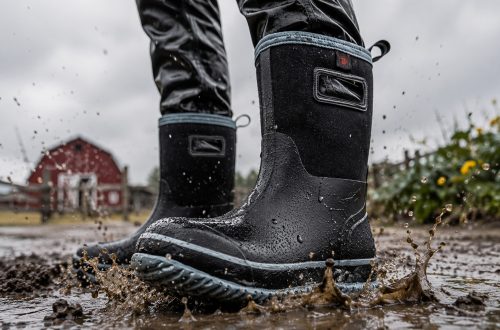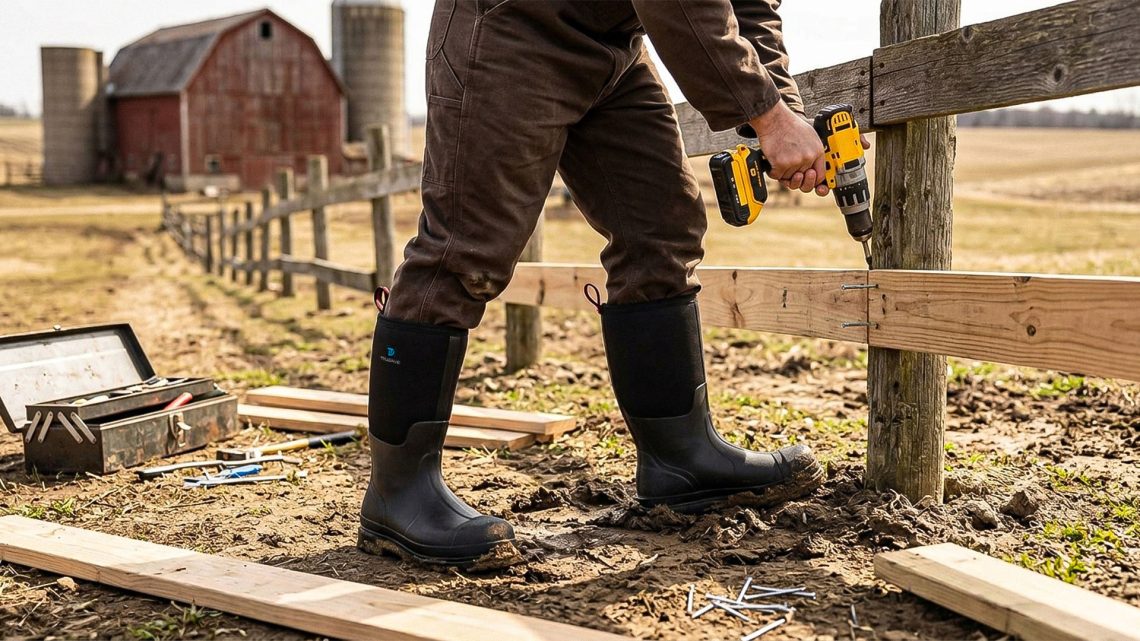
Best Boots for Beekeeping and Apiary Work
Commercial beekeeping requires much more outdoor work than many people realize.
Beekeepers may spend entire days moving between apiaries, carrying hive equipment, inspecting colonies, feeding bees, loading honey supers, transporting hives, maintaining access roads, and working in orchards or crop fields during pollination season.
Footwear may encounter:
- Wet grass.
- Mud.
- Morning dew.
- Gravel.
- Orchard rows.
- Farm roads.
- Honey residue.
- Sugar syrup.
- Rain.
- Snow.
- Tall vegetation.
- Uneven bee-yard ground.
That makes footwear an important part of everyday apiary work.
The best boots for beekeeping should keep feet dry, provide stable traction on wet agricultural ground, remain comfortable during long walking and standing shifts, and fit securely enough for workers carrying heavy hive components.
Bee Yards Are Often Wetter Than They Look
Many apiaries are located on:
- Farms.
- Orchards.
- Pastures.
- Woodland edges.
- Rural properties.
These areas may stay damp long after rainfall ends.
Morning dew alone can soak ordinary shoes before the first hive inspection is complete.
Waterproof boots provide much more dependable protection.
Wet Grass Is a Major Beekeeping Footwear Problem
Apiaries are rarely maintained like lawns.
Grass and weeds between hives may grow tall enough to brush against:
- Shoes.
- Ankles.
- Lower legs.
Even when the soil is dry, wet vegetation can saturate fabric footwear.
Mid-height waterproof boots are especially practical.
Why Boot Height Matters Around Bee Yards
A higher boot collar provides more than water protection.
It can also reduce the amount of:
- Grass.
- Seeds.
- Small debris.
entering footwear.
Mid-Height Boots
Useful for:
- Routine inspections.
- Dry-season apiary work.
- Orchard pollination.
Mid-Calf Rubber Boots
Useful for:
- Mud.
- Heavy dew.
- Rain.
- Wet spring apiaries.
Knee-High Boots
Useful for:
- Deep mud.
- Very wet fields.
- Drainage areas.
Most beekeepers do not need the tallest possible boot every day.
Boots for Hive Inspection
Routine hive inspections involve repeated:
- Walking.
- Standing.
- Bending.
- Squatting.
- Lifting.
Workers need footwear that remains flexible.
Extremely stiff boots may become uncomfortable when inspecting dozens or hundreds of colonies.
Forefoot Flexibility Helps Around Hives
Beekeepers frequently lean forward while:
- Removing frames.
- Lifting boxes.
- Inspecting brood.
A boot that bends naturally at the forefoot improves mobility.
Secure Heel Fit Matters While Carrying Hive Equipment
Hive components can be heavy.
Workers may carry:
- Honey supers.
- Brood boxes.
- Feeders.
- Equipment.
When both hands are occupied, stable footing becomes especially important.
Loose boots may allow excessive foot movement.
Boots for Honey Super Handling
A full honey super can be surprisingly heavy.
Workers carrying loaded boxes need:
- Stable heel support.
- strong midsoles.
- predictable traction.
Uneven Bee-Yard Ground Can Be Hidden
Grass may cover:
- Holes.
- Roots.
- Rocks.
- Ruts.
Supportive uppers improve ankle control.
Boots for Muddy Apiaries
Spring and rainy-season apiaries can become muddy quickly.
Truck and UTV traffic may deepen:
- Ruts.
- Puddles.
- Soft areas.
Moderate-to-deep tread is useful.
Best Tread for Bee-Yard Mud
Useful features include:
- Open channels.
- Flexible rubber.
- Defined heel edges.
- Moderate lug spacing.
Tread should release mud instead of carrying it.
Clay Apiaries Need Wider Tread Channels
Wet clay can completely fill narrow outsole grooves.
This makes boots:
- Heavier.
- Harder to clean.
- Less effective on hard surfaces.
Wider channels are easier to maintain.
Sandy Apiaries Need Less Aggressive Tread
Some beekeeping operations are located on sandy agricultural land.
Deep lugs may be unnecessary.
Broad outsole contact and lighter construction may improve walking comfort.
Boots for Pollination Crews
Commercial beekeepers may move colonies to:
- Almond orchards.
- Apple orchards.
- Blueberry farms.
- Melon fields.
- Vegetable farms.
Every pollination site creates different ground conditions.
A versatile waterproof boot is valuable.
Boots for Orchard Pollination
Orchards may involve:
- Wet grass.
- Irrigation.
- Gravel lanes.
- Mud.
Mid-height waterproof work boots work well.
Boots for Almond Orchard Apiaries
Early-season orchard work may involve:
- Cool mornings.
- Moist soil.
- Heavy dew.
Moderate insulation may be useful in colder regions.
Boots for Blueberry Pollination
Blueberry farms may include wetter soil and grassy rows.
More waterproof coverage can be useful.
Boots for Melon and Vegetable Pollination
Warmer weather changes the footwear requirement.
Workers should avoid overly insulated boots.
Pollination Work Can Require Long Driving Days
Commercial beekeepers may travel between multiple apiaries.
Footwear should also be comfortable inside:
- Pickup trucks.
- Box trucks.
- UTVs.
Very tall rigid rubber boots may be inconvenient for driving.
Boots for Bee Truck Drivers
Drivers may repeatedly enter and exit trucks on:
- Gravel.
- Mud.
- Grass.
A supportive mid-height waterproof boot offers good versatility.
Pedal Control Matters
Very thick outsoles can reduce pedal feel.
Workers who drive extensively should choose moderate sole thickness.
Boots for Hive Loading Crews
Commercial hives may be transported on:
- Pallets.
- Trucks.
- Trailers.
Loading crews may work around:
- Forklifts.
- Pallet equipment.
- Gravel yards.
More protective footwear may be required.
Safety-Toe Boots for Hive Transport
Protective toes may be appropriate around:
- Pallets.
- Forklifts.
- Heavy hive boxes.
- Loading equipment.
Requirements depend on the operation.
Boots for Forklift Operators
Forklift drivers need:
- Secure heel fit.
- Good pedal control.
- Stable machine-step contact.
Boots for Night Hive Moving
Beekeepers often move colonies at night because bees are more likely to be inside the hive.
Night operations create additional footwear challenges.
Workers may have reduced visibility while moving across:
- Fields.
- Orchards.
- Gravel yards.
Secure foot placement becomes especially important.
Boots for Dark Apiary Conditions
Supportive boots help workers deal with ground hazards that may be harder to see.
Headlamps and proper lighting remain essential.
Boots for UTV Apiary Work
UTVs may be used to transport:
- Feed.
- Hive tools.
- Boxes.
- Workers.
Footwear should transition easily between vehicle controls and muddy ground.
Boots for ATV Beekeeping Work
Very bulky boots may interfere with:
- Foot controls.
- Pegs.
- Pedals.
Mid-height waterproof footwear is often more practical.
Boots for Sugar Syrup Feeding
Beekeepers may feed colonies with sugar syrup during certain periods.
Spills can leave:
- Sticky equipment.
- Sticky boot uppers.
- Slick hard surfaces.
Easy-clean footwear is helpful.
Sugar Syrup Should Be Cleaned Promptly
Dried syrup can attract:
- Dirt.
- Dust.
- Insects.
Smooth waterproof uppers make cleaning easier.
Boots for Feed Mixing Areas
Large beekeeping operations may prepare syrup using:
- Tanks.
- Pumps.
- Hoses.
Workers may encounter wet concrete.
Broad hard-surface traction becomes important.
Boots for Syrup Pump Maintenance
Pump work may require more structured safety footwear.
Waterproof Does Not Mean Electrical Protection
Powered feed systems may involve electrical equipment.
General waterproof boots are not automatically electrically rated.
Boots for Honey Harvest
Honey harvest can be one of the busiest periods of the year.
Workers may move continuously between:
- Apiaries.
- Trucks.
- Extraction buildings.
Footwear should balance field traction with hard-floor comfort.
Boots for Removing Honey Supers
Loaded supers increase the importance of stable footing.
Strong midsoles help workers support additional weight.
Boots for Honey Houses
Inside extraction facilities, employees may stand on:
- Concrete.
- Washable floors.
Deep outdoor tread may become less practical.
Boots for Honey Extraction Rooms
Workers may encounter:
- Honey.
- Water.
- Wax.
- Cleaning residue.
Moderate tread and good cushioning are useful.
Honey Can Make Floors Sticky
Spilled honey may affect footing.
Good housekeeping is essential.
Boots for Honey House Washdown
Cleaning may involve:
- Hoses.
- Warm water.
- Food-safe cleaning products.
Mid-calf waterproof boots can provide useful splash coverage.
Boots for Wax Processing Areas
Beekeepers may process:
- Beeswax.
- Cappings.
Workers may deal with sticky residue and warm equipment.
Task-specific safety procedures should guide footwear.
Boots for Extractor Cleaning
Honey extraction equipment requires regular cleaning.
Waterproof easy-clean footwear works well.
Boots for Bee Feed Warehouses
Large operations may store:
- Sugar.
- Pollen substitutes.
- Containers.
Workers may spend more time on dry concrete.
Hard-floor cushioning becomes important.
Boots for Pallet Handling
Safety footwear may be useful around heavy supply pallets.
Boots for Queen-Rearing Operations
Queen breeders may work around:
- Smaller colonies.
- Specialized equipment.
- Breeding yards.
They still need lightweight waterproof protection for outdoor work.
Boots for Nucleus Colony Yards
Nuc yards may contain many closely spaced hives.
Workers take numerous short steps and turns.
Lower boot weight can reduce fatigue.
Boots for Bee-Breeding Stations
Remote breeding apiaries may require more rugged outdoor footwear.
Boots for Remote Apiaries
Some bee yards are accessed through:
- Dirt roads.
- Forest tracks.
- Fields.
Workers may encounter rougher terrain than at commercial farm sites.
Boots for Forest Apiaries
Useful features include:
- Ankle support.
- durable uppers.
- moderate tread.
- waterproof construction.
Boots for Woodland Edges
Roots and branches may create uneven footing.
Supportive midsoles improve control.
Boots for Gravel Apiary Roads
Gravel access roads can be hard on thin boots.
Strong midsoles help distribute pressure.
Boots for Dirt Farm Roads
After rain, vehicle traffic can create deep ruts.
More open tread becomes useful.
Boots for Roadside Apiaries
Some hives are placed near accessible agricultural roads.
Workers may transition between:
- Asphalt.
- Gravel.
- Grass.
Mixed-surface tread works well.
Boots for Apiary Mowing
Beekeepers often mow or trim vegetation around hives.
Workers may operate:
- String trimmers.
- Mowers.
Footwear should provide secure fit and outdoor traction.
Boots for String-Trimming Around Hives
Durable toe areas help protect against small debris.
Boots for Mower Operators
Drivers need good pedal control.
Boots for Weed Management
Apiaries may use:
- Mechanical mowing.
- Hand trimming.
- Herbicides.
Footwear requirements depend on the method.
Waterproof Does Not Mean Herbicide Resistant
Workers using chemical vegetation control should follow product-label PPE requirements.
Boots for Hive Stand Maintenance
Hive stands may be made from:
- Wood.
- Concrete blocks.
- Metal.
Workers may repair or reposition them.
More structured footwear can help around heavy components.
Boots for Concrete Hive Pads
Some commercial apiaries use hard pads.
Cushioning becomes more important.
Boots for Palletized Hives
Commercial colonies may sit on pallets.
Broken wood can create:
- Splinters.
- Nails.
Puncture hazards should be considered.
A Thick Outsole Is Not Automatically Puncture Resistant
Workers handling broken pallets may need rated puncture protection.
Boots for Fence Maintenance Around Apiaries
Some bee yards use fencing for:
- Livestock.
- Wildlife.
- Security.
Workers may handle wire and fasteners.
Boots for Bear-Fence Areas
In some regions, apiaries use electric fencing.
Waterproof footwear should not be treated as electrical protective equipment.
Follow fencing safety procedures.
Boots for Wildlife-Damaged Apiaries
Cleanup may involve:
- Broken hives.
- Splintered wood.
- Nails.
- Wire.
More protective footwear may be required.
Boots for Hive Repair Shops
Beekeepers may repair:
- Boxes.
- Frames.
- Pallets.
Workshop employees may encounter nails and wood debris.
Safety or puncture-resistant footwear may be appropriate.
Boots for Woodworking Areas
Dry indoor work usually requires less waterproof coverage.
However, workers moving between shop and apiary may prefer versatile mid-height boots.
Boots for Pressure Washing Hive Equipment
Some operations clean equipment using high-pressure water.
Waterproof boots protect against ordinary splash.
They do not protect from direct pressure-washer spray.
Boots for Equipment Sanitation
Beekeepers may clean tools and equipment between apiaries.
Easy-clean boot construction helps reduce material transfer.
Boots for Biosecurity Between Bee Yards
Apiary management may involve avoiding unnecessary transfer of:
- Mud.
- Organic material.
- Equipment debris.
Cleaning footwear between locations can be useful.
Boots for Bee Disease Inspection
Workers inspecting colony-health problems may use dedicated tools and cleaning routines.
Footwear should fit into the operation’s hygiene procedures.
Boots for Spring Beekeeping
Spring creates some of the wettest apiary conditions.
Workers may face:
- Rain.
- Mud.
- Wet grass.
- Cool temperatures.
Mid-calf waterproof boots are useful.
Boots for Spring Feeding
Feeding crews may carry heavy syrup containers.
Secure footing matters.
Boots for Swarm Season
During swarm season, workers may move quickly between locations.
Lightweight waterproof footwear is useful.
Boots for Swarm Collection
Swarm retrieval may involve:
- Fields.
- Gardens.
- Woodland edges.
Footwear should suit the actual terrain.
Ladder Work Requires Different Considerations
Some swarm retrievals may involve ladders.
Very bulky deep-lug boots can feel awkward on rungs.
Workers should prioritize appropriate ladder safety.
Boots for Summer Beekeeping
Summer apiary work can be extremely hot.
Heavy insulated rubber boots are usually uncomfortable.
Workers should prioritize:
- Uninsulated construction.
- lightweight materials.
- moisture-wicking socks.
Waterproof Boots Can Still Become Damp From Sweat
Even when rain stays out, perspiration can build inside.
Drying is essential.
Boots for Fall Honey Harvest
Autumn work may involve:
- Cool mornings.
- Heavy dew.
- Mud.
Waterproof mid-height footwear works well.
Boots for Winter Hive Checks
Cold climates may require workers to inspect colonies during:
- Snow.
- Slush.
- Frozen mud.
Moderate insulation can improve comfort.
Boots for Snowy Apiaries
Waterproof boots with cold-flexible outsole rubber are useful.
Boots for Frozen Bee Yards
Mud ruts may freeze hard.
Supportive ankle construction improves stability.
Ice Requires Separate Traction Measures
No ordinary waterproof boot eliminates ice hazards.
Approved traction devices may be useful where appropriate.
Boots for Rainy Apiary Days
Light rain may not stop essential hive work.
Fully waterproof footwear helps keep workers comfortable.
Thunderstorm Conditions Require Different Decisions
Beekeepers should avoid exposed outdoor work during unsafe weather conditions.
Footwear does not reduce lightning risk.
Boots for Hot Dry Apiaries
Dry summers may reduce the need for tall shafts.
A lighter waterproof boot can improve comfort.
Boots for Desert Beekeeping
Workers may encounter:
- Dust.
- Loose soil.
- Heat.
Breathability and weight become especially important.
Boots for Coastal Apiaries
Coastal operations may experience:
- Damp air.
- Wet grass.
- Frequent fog.
Waterproof footwear remains useful.
Boots for Commercial Pollination Staging Yards
Large beekeeping operations may stage thousands of colonies before shipping.
Workers may move around:
- Forklifts.
- Trucks.
- Pallets.
Industrial safety footwear may be appropriate.
Boots for Loading Docks
If hives or supplies are loaded from warehouses, workers may encounter:
- Wet concrete.
- Metal dock plates.
Hard-floor traction matters.
Boots for Semi-Truck Pollination Transport
Drivers may need footwear that works for both:
- Driving.
- Agricultural fields.
Mid-height waterproof boots provide versatility.
Boots for Long-Distance Bee Transport
Comfort becomes important for workers spending many hours in vehicle cabs.
Heavy tall rubber boots may be inconvenient.
Boots for Honey Delivery Crews
Packaged honey may be transported to:
- Stores.
- Markets.
- Warehouses.
Lower-profile waterproof work boots may be sufficient.
Boots for Farmers Market Beekeepers
Market work may involve more standing on:
- Pavement.
- Concrete.
Cushioning becomes a priority.
Boots for Apiary Tour Operations
Some farms offer educational tours.
Workers may guide visitors through:
- Grass.
- Gravel.
- Bee yards.
Clean-looking waterproof footwear is useful.
Public-Facing Appearance Can Matter
Smooth uppers are easier to wipe clean before interacting with customers.
Boots and Beekeeping Suits
Footwear needs to work with the worker’s protective clothing system.
Some beekeepers prefer trouser legs or suit cuffs to cover or secure around the boot.
Boot Cuffs Should Not Interfere With Protective Clothing
Workers should choose footwear that allows their bee suit to fit as intended.
Bee Protection Is Not Determined by Waterproofing
A waterproof boot is not automatically sting-proof.
The worker’s entire protective clothing system matters.
Boots for Tall-Grass Apiaries
Higher shafts can reduce contact with vegetation.
However, workers should still inspect for:
- Ticks.
- Other outdoor pests.
Boots for Tick-Prone Areas
Boot choice can support clothing coverage, but pest prevention requires broader precautions.
Boot Weight Matters During Long Apiary Routes
Commercial workers may inspect hundreds of hives.
Heavy footwear adds fatigue.
Cushioning Matters While Carrying Supers
Additional load increases pressure through the feet.
Supportive midsoles improve comfort.
Heel Retention Matters in Mud and While Lifting
Secure fit improves control.
Ankle Support Matters on Uneven Ground
Bee yards are often less level than they appear.
Forefoot Flexibility Helps During Hive Inspections
Workers repeatedly:
- Bend.
- Kneel.
- Squat.
- Lift.
Flexible footwear is beneficial.
Toe Room Matters During Long Shifts
Feet may swell in warm weather.
Enough toe room improves comfort.
Best Socks for Beekeepers
Synthetic and wool-blend socks generally perform better than cotton.
Useful features include:
- Moisture wicking.
- Quick drying.
- Heel cushioning.
- Secure fit.
Spare Socks Can Help
Water entering over the collar during rain or deep grass can soak socks.
A dry pair improves comfort.
Removable Insoles Improve Daily Use
Replaceable footbeds allow workers to:
- Dry footwear.
- Restore cushioning.
- Manage moisture.
- Improve hygiene.
Easy-Clean Construction Is Useful
Apiary boots may collect:
- Mud.
- Grass.
- Honey.
- Syrup.
- Propolis.
- Wax.
Smooth waterproof uppers simplify maintenance.
How to Clean Beekeeping Work Boots
A practical routine may include:
- Remove grass and mud.
- Brush debris from tread.
- Clean syrup or honey residue.
- Remove wax or propolis using footwear-safe methods.
- Inspect for nails or splinters.
- Remove damp insoles.
- Allow boots to dry completely.
Honey and Syrup Should Be Removed Promptly
Sticky residue can collect dirt and attract insects.
Propolis Can Be Difficult to Remove
Avoid aggressive solvents unless approved for the boot material.
How to Dry Apiary Work Boots
After wet work:
- Remove insoles.
- Open the boots.
- Allow airflow.
- Use low-temperature drying if approved.
Avoid excessive direct heat.
Rotating Two Pairs Can Help Commercial Beekeepers
Busy pollination or harvest seasons may involve consecutive long days.
Alternating footwear gives each pair more time to dry.
When Beekeeping Boots Should Be Replaced
Replace footwear when:
- Waterproofing fails.
- tread becomes badly worn.
- outsole separation develops.
- heel support collapses.
- puncture damage appears.
- safety components are compromised.
- cushioning becomes ineffective.
Do Beekeepers Need Safety-Toe Boots?
Routine hive inspection may not always require them.
Workers involved in:
- Forklifts.
- Palletized hives.
- Loading.
- Warehouses.
may need protective-toe footwear.
Do Beekeepers Need Puncture-Resistant Boots?
Puncture protection may be useful around:
- Broken hive pallets.
- Nails.
- Fence wire.
- Workshop debris.
Common Mistakes When Buying Beekeeping Boots
Buying Very Heavy Farm Boots for Every Apiary Task
Long inspection routes often benefit from lighter footwear.
Wearing Low Shoes Through Wet Grass
Morning dew may soak them quickly.
Choosing Boots Too Loose When Carrying Honey Supers
Secure heel fit improves stability.
Using Deep Mud Lugs for Warehouse and Honey-House Work
Hard floors benefit from more balanced tread.
Ignoring Driving Comfort
Commercial beekeepers may spend many hours in trucks.
Assuming Waterproof Means Chemical Resistant
Cleaning or agricultural products may require specific PPE.
Ignoring Broken Pallet Hazards
Nails and splinters can create puncture risks.
Allowing Honey or Syrup to Stay on Boots
Sticky residue attracts dirt and is harder to clean later.
How to Choose the Best Boots for Beekeeping Work
Start with the worker’s primary duties.
For hive inspectors, prioritize:
- Lightweight waterproof construction.
- flexible movement.
- secure heel fit.
- walking comfort.
For muddy apiary workers, prioritize:
- More shaft coverage.
- open tread channels.
- ankle support.
For pollination crews, prioritize:
- Mixed-surface versatility.
- driving comfort.
- wet-grass protection.
For honey-harvest workers, prioritize:
- Strong midsoles.
- stable heel support.
- easy-clean materials.
For hive-loading crews, prioritize:
- Safety protection.
- puncture resistance where required.
- durable outsoles.
For honey-house employees, prioritize:
- Hard-floor cushioning.
- moderate tread.
- easy-clean construction.
Workers comparing waterproof footwear from brands such as Trudave Gear should choose boots according to the actual combination of wet grass, mud, hive lifting, honey handling, orchard work, driving, and long apiary shifts involved in their job.
Frequently Asked Questions
What are the best boots for beekeeping work?
The best beekeeping boots are waterproof, lightweight enough for long apiary routes, securely fitted, easy to clean, and equipped with traction suitable for wet grass, mud, gravel, and farm roads.
Are rubber boots good for beekeepers?
Yes. Rubber boots are particularly useful for muddy apiaries, heavy dew, spring rain, wet grass, and field-based hive work.
How tall should beekeeping boots be?
Mid-height or mid-calf boots are versatile for most apiary work. Taller boots may be useful for deep mud and extremely wet fields.
What boots are best for muddy bee yards?
Waterproof boots with open tread channels, secure heel retention, supportive uppers, and moderate-to-deep outdoor lugs work well.
Are deep mud boots good for commercial beekeepers?
They are useful in wet fields, but moderate mixed-surface tread may be better for workers who also drive trucks, use forklifts, and work inside honey houses.
What boots are best for pollination crews?
Waterproof mid-height boots with good walking comfort, wet-grass traction, secure fit, and enough flexibility for driving are practical.
Do beekeepers need safety-toe boots?
Some palletized hive, loading, forklift, warehouse, and transport jobs may require safety-toe footwear.
Are waterproof boots bee-proof?
Not automatically. Sting protection depends on the complete protective clothing system, fit, and work practices.
What boots are best for honey harvest?
Waterproof boots with strong midsoles, secure heel support, flexible movement, moderate tread, and easy-clean uppers work well.
How should beekeeping boots be cleaned?
Remove grass and mud, clean honey and syrup residue, clear tread grooves, inspect for nails or splinters, and allow the footwear to dry completely.
Final Thoughts
Commercial beekeeping and apiary work combines wet grass, mud, hive inspections, heavy honey supers, pollination travel, pallet handling, sugar syrup, gravel roads, orchard work, and long outdoor shifts.
The best footwear depends on the worker’s actual responsibilities.
Hive inspectors need lightweight waterproof boots that remain comfortable through long walking routes.
Muddy apiary crews need additional shaft coverage and stronger outdoor tread.
Pollination workers need footwear that balances field protection with driving comfort.
Honey-harvest crews benefit from strong midsoles and secure heel support.
Loading crews may require safety and puncture protection.
Honey-house employees need better hard-floor cushioning and simpler tread.
Trudave Gear offers waterproof outdoor and work footwear suited to wet grass, rain, mud, agricultural work, farm roads, and demanding outdoor environments.
Choosing footwear according to the actual beekeeping task can help workers stay drier, reduce fatigue, maintain better footing, and remain more comfortable from the first early-morning colony inspection to the final hive loaded onto a pollination truck after sunset.


You May Also Like
Best Boots for Apple Orchard Work: Waterproof Footwear for Wet Grass, Muddy Rows, Ladders, and Harvest Season
Best Boots for Ready-Mix Concrete Plant and Washout Work